
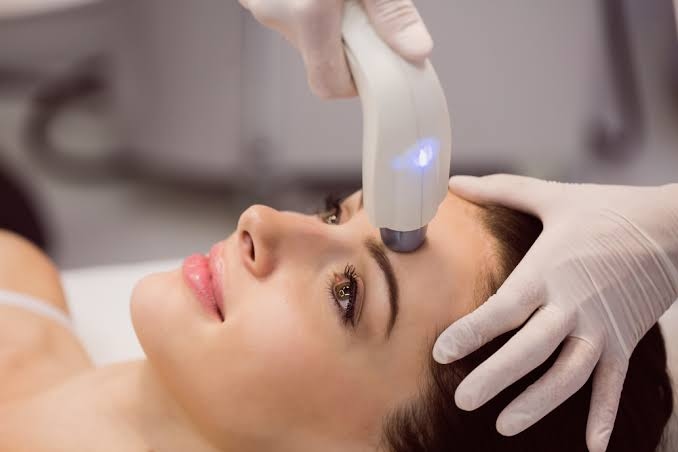
Achieving healthier, smoother, and more radiant skin is a gradual process that depends on several factors, including the skin concern being addressed, the treatment approach, and individual skin characteristics. Many people exploring advanced skin rejuvenation options want to know when they can expect noticeable improvements and how long those changes may take to develop. Laser Skincare Treatments in Dubai have become a popular option for addressing concerns such as uneven skin tone, pigmentation, fine lines, acne scars, and visible signs of ageing. However, results do not appear overnight. Some individuals notice an improvement within a few days, while others require multiple sessions to achieve their desired appearance. Understanding the treatment timeline helps establish realistic expectations and supports informed skincare decisions.
Understanding How Laser Skin Treatments Work
Laser skin procedures use concentrated light energy to target specific skin concerns. Depending on the technology and treatment settings, laser energy can work on the skin's surface or reach deeper layers to encourage natural renewal processes.
Different laser technologies are designed to address different concerns. Some focus on pigmentation and uneven complexion, while others stimulate collagen production or improve the appearance of acne scars and fine lines.
The skin responds gradually after treatment. As natural renewal processes take place, damaged surface cells may shed, pigmentation may become less noticeable, and collagen remodelling can contribute to smoother-looking skin.
The timeline depends on the technology used and the condition being treated. Therefore, not every individual will experience the same results at the same time.
When Can You Expect to See Initial Results?
The first noticeable changes can appear at different stages depending on the procedure and the skin's response. Some treatments provide relatively quick visible improvements, whereas others require patience because they work beneath the skin's surface.
Within the First Few Days
During the initial days following a laser procedure, the skin may experience temporary redness, sensitivity, warmth, or mild swelling. These reactions can be part of the normal recovery process, although their intensity varies according to the treatment.
Some individuals notice that their complexion looks fresher once temporary irritation settles. However, immediate changes should not be confused with the final treatment outcome.
Following the recommended post-treatment instructions is important during this period. Protecting the skin from excessive sun exposure and avoiding irritating skincare products can support recovery.
After One to Two Weeks
Within one or two weeks, some individuals begin noticing more visible changes in their skin's appearance. Depending on the procedure, the complexion may look more even, and certain surface irregularities may become less noticeable.
Treatments targeting pigmentation can sometimes produce temporary darkening of pigmented areas before they gradually fade or shed. Similarly, resurfacing procedures may involve peeling or flaking as the skin renews itself.
Not every laser procedure produces visible improvements within this timeframe. Deeper treatments may require a longer recovery and improvement period.
After Three to Four Weeks
The skin may continue showing improvements over the following weeks as its natural renewal cycle progresses.
Individuals receiving treatments for uneven texture, mild pigmentation, or early signs of ageing may begin noticing more consistent changes. The complexion can appear smoother, and some superficial imperfections may become less prominent.
Procedures designed to stimulate collagen production generally require additional time because collagen remodelling is a gradual biological process.
After Two to Three Months
For treatments that encourage collagen development and deeper skin renewal, improvements may become more noticeable after two to three months.
During this period, individuals may observe gradual changes in skin firmness, texture, and the appearance of fine lines. The results continue developing as the skin produces and reorganises collagen.
Some concerns, particularly deeper acne scars, stubborn pigmentation, and significant textural irregularities, may require several sessions rather than a single treatment.
How Different Skin Concerns Affect the Results Timeline
The type of skin concern being addressed is one of the most important factors determining how quickly improvements become visible.
Pigmentation and Dark Spots
Laser procedures designed to target pigmentation can help reduce the appearance of sunspots, dark patches, and uneven skin tone.
Some individuals notice changes within a few weeks, although deeper or more stubborn pigmentation may require multiple sessions. The treated areas may temporarily become darker before gradually improving.
The underlying cause of pigmentation also matters. Conditions influenced by hormones or ongoing sun exposure may require a carefully planned treatment approach to maintain improvements.
Acne Scars and Uneven Skin Texture
Acne scars often require more time because improving their appearance may involve stimulating collagen production and encouraging deeper skin renewal.
Depending on scar depth and the selected technology, several sessions may be recommended. Visible improvements can develop gradually over several weeks or months.
The treatment plan should reflect the type of scarring, skin condition, and individual expectations.
Fine Lines and Wrinkles
Laser procedures that stimulate collagen production can gradually improve the appearance of fine lines and wrinkles.
Initial changes may become noticeable after several weeks, while more developed improvements can take two to three months or longer.
The extent of improvement depends on factors such as skin elasticity, age-related changes, and the treatment's depth.
Enlarged Pores and Rough Skin
Certain laser procedures can improve the appearance of enlarged pores and uneven skin texture by supporting skin renewal and collagen remodelling.
Some surface improvements may appear within a few weeks. However, more noticeable textural changes can require repeated sessions and consistent skincare practices.
Factors That Influence How Quickly Results Appear
Although treatment timelines provide a general guideline, individual experiences can differ significantly.
Skin Type and Individual Skin Condition
Every person's skin responds differently to laser energy. Skin sensitivity, pigmentation patterns, elasticity, and existing concerns can influence the recovery process.
A personalised assessment helps determine which treatment approach is appropriate for the individual's skin characteristics.
Type of Laser Technology
Different laser systems work at different depths and target different concerns. Some focus primarily on surface pigmentation, while others stimulate deeper collagen production.
The selected technology plays an important role in determining the recovery period, number of sessions, and expected improvement timeline.
Number of Treatment Sessions
One session may provide noticeable improvement for certain superficial concerns, but more complex conditions often require multiple appointments.
Sessions are generally scheduled with appropriate intervals to allow the skin to recover. Following the recommended treatment schedule can help support progressive improvement.
Skincare Habits and Sun Protection
Daily skincare habits can influence how well the skin maintains its appearance following treatment.
Using suitable moisturisers, following professional recommendations, and applying broad-spectrum sunscreen can help protect the skin. Excessive sun exposure may contribute to renewed pigmentation and interfere with maintaining results.
How Many Laser Sessions Are Usually Needed?
There is no universal number of sessions suitable for everyone. The recommended treatment frequency depends on the skin concern, the technology being used, and the individual's response.
For mild surface concerns, a limited number of sessions may be sufficient to achieve visible improvement. More persistent concerns, such as acne scarring, deeper pigmentation, and advanced textural irregularities, may require a longer treatment plan.
An appropriate interval between sessions is equally important. Allowing sufficient recovery time helps the skin respond to treatment without unnecessary irritation.
A professional skin assessment can establish realistic expectations and determine whether a single session or a series of treatments is more appropriate.
Tips for Supporting Better Laser Treatment Results
Following appropriate skincare practices can help maintain skin health throughout the treatment process.
Follow professional instructions: Adhere to the recommended preparation and recovery guidelines.
Use sunscreen regularly: Broad-spectrum sun protection helps minimise UV-related skin damage and pigmentation.
Keep the skin moisturised: Suitable moisturisers support the skin barrier during recovery.
Avoid harsh skincare products: Strong exfoliants, retinoids, and irritating ingredients may need to be paused around treatment, according to professional advice.
Allow sufficient recovery time: Avoid scheduling additional procedures before the skin has adequately recovered.
Maintain realistic expectations: Skin improvements develop gradually, and results differ between individuals.
It is also important to contact a qualified professional if unexpected symptoms, significant discomfort, blistering, or worsening skin changes occur following treatment.
Are Laser Skincare Results Permanent?
The longevity of results depends on the original skin concern, the treatment performed, and ongoing skincare habits.
Improvements in certain pigmentation concerns and surface irregularities can be long-lasting, but they do not prevent new skin changes from developing. Natural ageing, hormonal fluctuations, and environmental exposure can influence the skin's appearance over time.
Collagen production also changes naturally with age. Although laser procedures can support skin rejuvenation, they cannot stop the ageing process completely.
Maintaining a consistent skincare routine, protecting the skin from sunlight, and attending follow-up assessments when recommended can help preserve improvements.
Why Is a Personalised Treatment Plan Important?
Choosing a suitable laser procedure involves more than identifying a particular skin concern. The treatment must also account for skin sensitivity, pigmentation, medical history, and desired outcomes.
A personalised approach helps determine the appropriate technology, treatment intensity, and session frequency. It also allows individuals to understand the expected recovery period and the realistic timeframe for visible improvements.
Professional assessment is particularly important for individuals with darker skin tones or a history of pigmentation concerns because certain laser settings may increase the risk of unwanted pigmentation changes.
Understanding these considerations before beginning treatment helps create a safer and more structured approach to achieving healthier-looking skin.
Book Us
Achieving a smoother, clearer, and more radiant complexion begins with choosing an appropriate treatment approach for individual skin needs. At Enfield Royal Clinic Dubai, individuals can explore personalised skin rejuvenation options designed to address concerns such as pigmentation, uneven texture, acne scars, and visible signs of ageing. With an emphasis on individual skin assessment and tailored treatment planning, the clinic aims to support informed decisions throughout the rejuvenation journey. Explore the possibilities of Laser Skincare Treatments and take the next step towards achieving a healthier-looking complexion with professional guidance at Enfield Royal Clinic Dubai.




