Plasma pen treatment is a non-surgical aesthetic procedure designed to improve the appearance of fine lines, wrinkles, and mild skin laxity. Although it does not involve traditional surgical incisions, the procedure creates controlled thermal injuries on the skin that require time to heal. Recovery depends on the treatment area, skin condition, treatment intensity, and individual healing response. Patients exploring علاج قلم البلازما في دبي should understand the recovery process, aftercare requirements, and possible side effects before choosing this skin rejuvenation procedure.
How Long Does Plasma Pen Treatment Recovery Take?
Recovery from plasma pen treatment varies between individuals. Initial redness and swelling may appear immediately after the procedure, while small scabs develop at the treatment points.
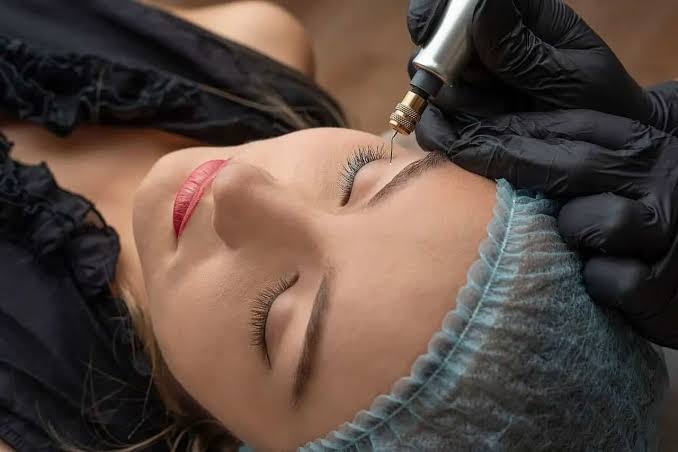
For many patients, visible scabbing lasts approximately one to two weeks, although healing can take longer depending on the treatment intensity and individual skin characteristics.
The skin may continue to remodel after the visible marks have disappeared. Collagen-related changes can develop gradually over subsequent months.
Patients should follow their practitioner's recovery instructions rather than relying on a fixed recovery timeline.
What Happens Immediately After Plasma Pen Treatment?
Immediately following treatment, the skin may appear red, swollen, and sensitive. Small brown or dark treatment-point marks may also become visible.
These effects occur because the plasma device creates controlled thermal injuries that activate the body's natural healing response.
Common immediate effects include:
Redness around the treated area.
Mild to moderate swelling.
Small visible scabs.
Temporary skin sensitivity.
Mild discomfort or warmth.
The intensity of these effects depends on the treated area and the settings used during the procedure.
What Happens During the First Few Days of Recovery?
During the initial recovery period, patients may notice swelling, redness, and the development of small scabs.
The treated skin can feel dry, tight, or sensitive. These changes are generally part of the healing process.
Patients should avoid touching or scratching the treatment points. Removing scabs prematurely can increase the risk of infection, pigmentation changes, and scarring.
Following professional cleansing and skincare instructions is particularly important during this stage.
When Do Plasma Pen Scabs Fall Off?
Small scabs generally remain visible during the early healing period and gradually fall away naturally.
For many patients, this occurs within approximately one to two weeks, although the timing can vary.
Patients should never pick, scrape, or forcefully remove these scabs. Allowing them to separate naturally helps protect the healing skin.
If scabs remain for longer than expected or the treated area becomes increasingly painful, patients should contact their practitioner.
How Long Does Redness and Swelling Last?
Redness and swelling are common after plasma pen treatment.
Swelling may be more noticeable around delicate areas, particularly the eyelids, because the skin in these regions is thin and sensitive.
These effects usually improve as healing progresses, but their duration varies according to individual skin characteristics and treatment intensity.
Patients should seek medical advice if swelling becomes severe, worsens instead of improving, or is accompanied by increasing pain or signs of infection.
What Factors Affect Plasma Pen Treatment Recovery Time?
Several factors influence how quickly the skin recovers following treatment.
Treatment area: Delicate facial areas may respond differently from other skin regions.
Treatment intensity: More extensive treatment can produce more noticeable skin reactions and longer recovery.
Skin type: Skin sensitivity and pigmentation tendencies can influence healing.
Age and skin condition: Individual healing characteristics affect the recovery process.
Aftercare routine: Following professional instructions can help reduce avoidable complications.
Sun exposure: Excessive ultraviolet exposure during recovery may increase the risk of pigmentation changes.
A personalized recovery plan helps patients understand what to expect based on their treatment.
How Can Patients Speed Up Recovery After Plasma Pen Treatment?
Although the skin needs its natural healing time, appropriate aftercare can support recovery and reduce unnecessary irritation.
Patients should consider the following recommendations:
Keep the treated area clean according to professional instructions.
Avoid picking or removing scabs.
Avoid harsh exfoliating products.
Stay away from excessive sun exposure.
Follow recommendations regarding makeup and skincare.
Use only practitioner-approved products during healing.
Apply suitable sun protection once the skin has healed sufficiently.
Patients should not apply unapproved creams, strong active ingredients, or home remedies to the treated area.
When Can Patients Return to Normal Activities?
The timing depends on the extent of treatment and the visibility of recovery-related effects.
Some patients may resume routine indoor activities relatively soon, while others may prefer to wait until swelling and visible scabbing have improved.
Activities that cause excessive sweating, friction, or irritation may need to be restricted temporarily.
Makeup should generally be avoided on the treated area until the skin has healed sufficiently and the practitioner confirms it is appropriate.
Patients should discuss work, exercise, and social commitments before scheduling treatment.
When Do Plasma Pen Treatment Results Become Visible?
The results develop gradually rather than appearing immediately.
Once the initial healing process is complete, patients may begin noticing improvements in the appearance of selected wrinkles and skin laxity.
Collagen remodelling continues over subsequent months, meaning the final appearance may take time to develop.
The outcome varies according to skin condition, treatment technique, and individual healing response.
Plasma pen treatment does not guarantee permanent wrinkle removal or eliminate significant skin sagging.
What Are the Warning Signs During Recovery?
Although temporary redness, swelling, and scabbing are expected, certain symptoms require medical attention.
Patients should contact their healthcare provider if they experience:
Increasing or severe pain.
Spreading redness.
Pus or unusual discharge.
Fever.
Worsening swelling.
Signs of infection.
Unexpected changes in skin colour.
Persistent pigmentation changes or unusual scarring should also be assessed by a qualified professional.
Frequently Asked Questions:
How many days does plasma pen treatment recovery take?
Initial healing and visible scabbing commonly take around one to two weeks, but individual recovery can be longer.
Is swelling normal after plasma pen treatment?
Yes. Temporary swelling is common, particularly around delicate facial areas.
Can patients go outside after plasma pen treatment?
Patients should minimize sun exposure and follow professional advice about protecting the healing skin.
When can patients wear makeup after plasma pen treatment?
Makeup should generally be avoided on the treated area until the skin has healed and the practitioner confirms it is safe.
Does plasma pen treatment leave scars?
Scarring is a possible complication, particularly if treatment is performed improperly or aftercare instructions are not followed.
When can patients return to their normal skincare routine?
Patients should gradually resume their usual products only after the skin has healed and their practitioner approves them.
Conclusion:
Recovery from plasma pen treatment depends on individual skin characteristics, treatment intensity, and the area being addressed. Although initial healing and visible scabbing commonly take around one to two weeks, deeper skin recovery and collagen remodelling can continue for several months. Following professional aftercare instructions, avoiding direct sunlight, and allowing scabs to fall away naturally are important for reducing complications. A consultation with a qualified practitioner helps patients understand their expected recovery timeline and determine whether plasma pen treatment is appropriate for their skin concerns.