Mounjaro is a prescription medication used to improve blood sugar control in people with type 2 diabetes. Its active ingredient, tirzepatide, may also support weight management in eligible patients by reducing appetite and helping people feel full for longer. Many people considering حقن مونجارو في دبي want to know how long the injection takes, whether it is painful, and how much time they need to set aside for treatment. Understanding the injection process can help patients feel more comfortable and prepared.
How Long Does the Actual Injection Take?
The actual Mounjaro injection usually takes only a few seconds once the pen is prepared and placed correctly against the skin. The medication is injected beneath the skin, commonly in the abdomen, thigh, or upper arm.
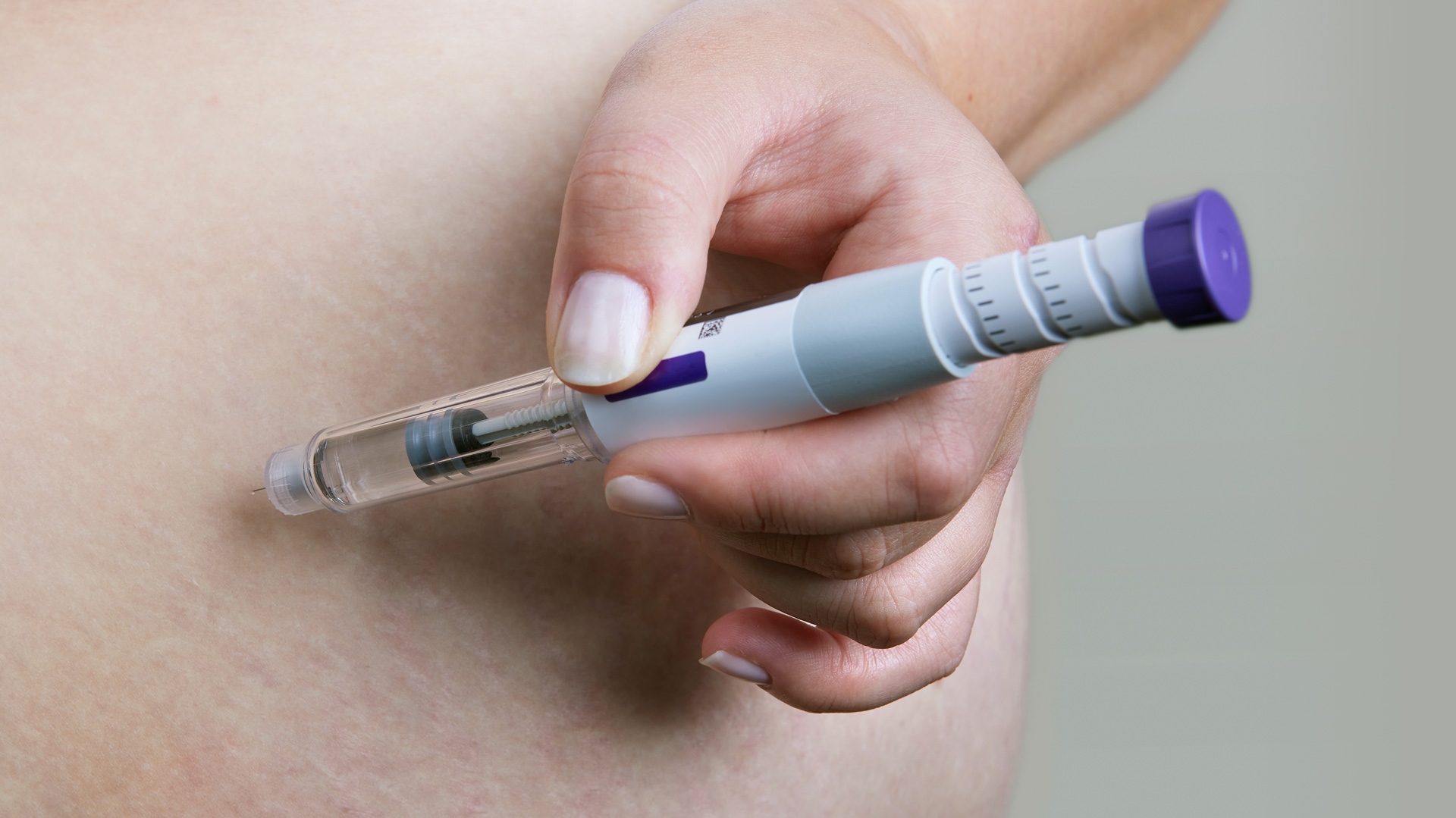
The exact time may vary depending on the pen design, the patient’s experience, and the instructions provided with the prescribed product. Patients should follow the manufacturer’s directions rather than removing the pen too early or trying to speed up the process.
Although the injection itself is brief, patients should not rush. Taking a few extra moments to check the dose, prepare the skin, and use the pen correctly helps support safe administration.
How Long Does the Complete Process Take?
The full process may take a few minutes. Preparation generally includes washing the hands, checking the medication, confirming the dose, selecting an injection site, and reviewing the pen instructions.
After the injection, the pen must be handled and disposed of according to the product guidance. Patients who are new to Mounjaro may need additional time while learning the correct technique.
When administered at a clinic, the appointment may take longer because the healthcare professional may review the patient’s health, check for side effects, explain the treatment plan, and answer questions. The injection itself remains short, but the consultation provides important safety support.
Is Mounjaro Injected Every Day?
Mounjaro is generally administered once a week rather than every day. Patients should select a regular injection day and follow the schedule provided by their healthcare professional.
A weekly schedule can be easier to maintain than daily injections, but patients should still use reminders if necessary. The injection should be taken according to the prescribed dose and timing.
If a dose is missed, patients should follow the instructions supplied with their medication or contact their healthcare provider. They should not take an extra dose to make up for a missed injection unless specifically instructed.
Does the Injection Hurt?
Most people describe Mounjaro injections as brief and manageable. Because the medication is injected under the skin using a small needle or pen mechanism, some patients may feel a slight pinch, pressure, or brief stinging.
Discomfort can vary depending on the injection site, skin sensitivity, injection technique, and personal pain tolerance. Relaxing the muscles, choosing an appropriate site, and following the correct technique may help make the process more comfortable.
Patients should avoid injecting into skin that is bruised, swollen, scarred, tender, infected, or irritated. If the injection causes significant pain or repeated skin reactions, the patient should contact their healthcare provider.
Where Is Mounjaro Injected?
Mounjaro is commonly injected into the abdomen, thigh, or upper arm. The medication should be injected into the fatty tissue beneath the skin, not into a muscle or vein.
The injection site should be rotated regularly to reduce repeated irritation. For example, a patient who usually injects into the abdomen may use a different area of the abdomen during the next dose.
A healthcare professional can demonstrate suitable injection sites and explain how to position the pen. Patients should follow the instructions for their specific product because pen designs and administration steps may differ.
What Should You Do Before the Injection?
Before administering Mounjaro, patients should wash their hands and prepare a clean, well-lit area. They should check the medication name, dose, expiry date, and appearance of the solution.
The pen should not be used if it is damaged, leaking, frozen, overheated, or stored incorrectly. The medication should also not be used if the solution appears unusual or contains unexpected particles.
Patients should check that the selected injection site is clean and healthy. If an alcohol swab is recommended, the skin should be allowed to dry before the injection.
People who are uncertain about the dose or injection technique should speak with a healthcare professional before proceeding.
What Happens After the Injection?
After the injection, patients can generally return to their usual activities if they feel well. Mounjaro does not usually require a lengthy recovery period, and most people do not need to rest after taking it.
Some patients may experience nausea, reduced appetite, bloating, diarrhea, constipation, or mild abdominal discomfort. These effects may be more noticeable when treatment begins or when the dose is increased.
Drinking enough water and eating smaller, balanced meals may help manage mild digestive symptoms. Patients should contact their healthcare provider if symptoms are persistent, severe, or interfere with eating and drinking.
Severe abdominal pain, persistent vomiting, difficulty breathing, facial swelling, fainting, or signs of serious dehydration require urgent medical attention.
Can Mounjaro Be Administered at Home?
Many patients are taught to administer Mounjaro at home after receiving proper instructions. A healthcare professional should demonstrate how to prepare and use the pen before the patient attempts self-injection.
Patients should not share their pen with another person, even if the needle or injection components are changed. The pen should be used only by the person for whom it was prescribed.
If a patient is uncomfortable with self-injection, a trained healthcare professional may be able to administer the medicine or provide additional guidance.
Does Injection Time Affect Results?
The length of the injection does not determine how effective Mounjaro will be. The medicine works through its active ingredient, tirzepatide, and its effects develop over time.
Some patients may notice appetite changes early, while others may need several weeks to observe noticeable changes. Blood sugar improvement and weight management results depend on the prescribed dose, treatment consistency, lifestyle habits, and individual response.
Patients should not inject more frequently or increase the dose to obtain faster results. Any adjustment should be made only by the prescribing healthcare professional.
Frequently Asked Questions:
Can Mounjaro be injected at any time of day?
Mounjaro can generally be administered at any time of day, with or without food. Patients should follow the schedule and instructions provided by their healthcare professional.
Do you need to rest after a Mounjaro injection?
Most patients can continue normal activities after the injection. However, anyone experiencing dizziness, nausea, or other symptoms should rest and seek medical advice if the symptoms are severe or persistent.
How long does it take to learn the injection technique?
Many patients can learn the basic technique during a short demonstration. Additional practice or guidance may be needed if the patient feels uncertain.
Does a longer injection produce better results?
No. The injection should be administered according to the product instructions. Taking longer or using more medication does not improve results and may increase risks.
Conclusion:
The actual Mounjaro injection usually takes only a few seconds, while the complete preparation and administration process may take a few minutes. The medicine is generally injected once a week into the abdomen, thigh, or upper arm. Proper dose checking, clean technique, correct storage, and professional guidance are important for safe use. Patients should follow their prescribed schedule and contact their healthcare provider if they experience severe symptoms or have questions about the injection process.