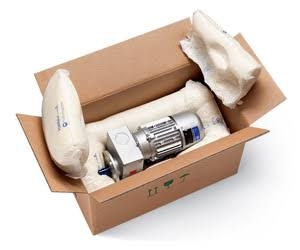
Protective packaging covers foam, bubble wrap, corrugated board, paper fill and moulded pulp that cushion goods against impact, vibration, compression and damage during storage and transport. In India the range serves online retail, electronics, pharmaceuticals, food and beverages, personal care and consumer durables. Buyers choose by product fragility, transit distance, weight and cost, from light paper void fill to heavy duty foam inserts.
A recent study by Markntel Advisor highlights that the India Protective Packaging market was valued at USD 2.05 billion in 2026 and is projected to reach USD 2.20 billion in 2027 and USD 3.30 billion by 2033, registering a CAGR of 6.99% during 2027–2033. Plastic foams led by material type with 41% in 2026, while flexible protective packaging led by product type with 70% in 2026.
What Foam Cushions Do Inside Every Parcel Crossing Indian Roads
Plastic foams led by material type with 41% in 2026, supported by light weight, strong cushioning and easy shaping into inserts that hug delicate items. Foam sheets, corner protectors and cut blocks guard electronics, glassware and precision instruments through long road journeys and repeated handling at warehouses. Suppliers cut foam to product dimensions, reducing movement inside cartons and cutting breakage claims for sellers who ship fragile goods across states.
Foam also suits cold chain and sensitive cargo because closed cell grades resist moisture and hold shape under stacking loads. Manufacturers blend recycled content into foam where performance allows, answering buyer interest in lighter environmental footprints without weakening protection. As online orders keep rising, foam remains the default cushion for sellers who need reliable protection at a price that works for everyday parcels.
How Flexible Wraps Shield Fragile Goods From Shocks and Drops
Flexible protective packaging led by product type with 70% in 2026, driven by bubble wrap, air pillows, stretch film and paper mailers that wrap goods of many shapes. These materials weigh little, store flat and pack fast, helping fulfilment centres move volumes during festival sales and peak shopping days. Their low cost per parcel keeps shipping bills in check for sellers who dispatch thousands of small orders every week.
Flexible wraps also protect surfaces from scratches, dust and moisture while goods wait in godowns or travel in open trucks. E-commerce growth keeps pushing demand for mailers and bubble bags, since every online order needs a protective outer layer before dispatch. Recyclable paper mailers gain favour with buyers who dislike plastic, giving sellers a greener option that still guards products through rough handling and long routes.
Where West India Packs More Goods Than Any Other Indian Region
West India led by region with 30% in 2026, supported by manufacturing clusters in Maharashtra and Gujarat plus busy ports that move goods overseas. Industrial goods and machinery led by end use with 21% in 2026, reflecting heavy equipment, auto parts and engineering products that need strong crates and cushioning. Factories near ports pack exports with extra care, since damaged cargo means rejected shipments and lost orders abroad.
Western states also host large warehousing hubs where goods are sorted, packed and dispatched to buyers across the country. Packaging choices there set the tone for national practice, as suppliers test new materials with big clients before wider rollout. Strong road and port links let western packers serve distant buyers quickly, keeping transit damage low even when parcels cross several states before delivery.
Why Factories and Warehouses Order Stronger Boxes Every Year
Industrial buyers order stronger boxes because plant output keeps rising and each shipment carries costly machinery, spares and finished goods. Organised retail adds volume too, as stores receive pallets that travel through multiple handling points before reaching shelves. Protective formats cut replacement costs and protect brand reputation, since buyers judge sellers by the condition of goods on arrival rather than by promises alone.
Competition stays moderately fragmented, with the top five companies holding a combined 25% in 2026 while many regional converters serve local buyers. Names in the field include The Supreme Industries, Sealed Air India, Storopack India, Signode India, Nefab Packaging India and UFlex. Smaller converters win orders through custom sizes and quick turnaround, serving buyers who need short runs that large suppliers handle slowly.
How Small Sellers Pack Orders Safely Without Spending Too Much
Small sellers pack orders safely by matching material to product weight, filling empty space so goods cannot shift and sealing cartons with strong tape. Paper void fill suits light goods, foam suits fragile items and corrugated boxes suit heavy parcels that travel far. Careful packing costs little extra yet prevents returns, refunds and unhappy buyers, making protection a quiet advantage for sellers who compete on trust and repeat orders.