
Many people feel stuck in a cycle of dieting. They follow rules, lose control, then feel guilty. Therefore, a calmer approach is gaining attention. The Food And Body Trust Programme is built around rebuilding trust with eating and with your body.
What Is the Idea Behind It?
Traditional diets rely on strict rules. However, rules often push people away from their own hunger and fullness signals.
This type of programme works the other way. It helps you notice those signals again. Additionally, it treats food as something neutral, not good or bad.
The Program for Food and Body Trust is not a quick fix. Instead, it focuses on steady, practical change over time.
The Role of Behaviour Change Coaching
Knowing what to do is rarely the problem. Doing it consistently is harder.
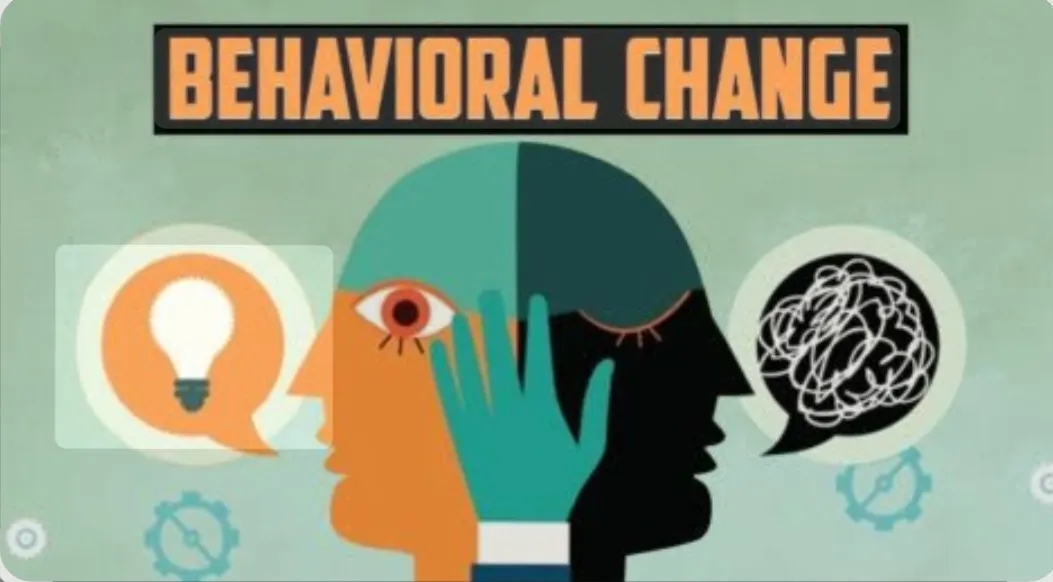
Behaviour Change Coaching bridges that gap. A coach helps you understand why habits form and how to shift them. Moreover, the coaching is guided by your own situation, not a generic plan.
Typical coaching work includes:
Spotting triggers for emotional or rushed eating
Setting small, realistic goals
Reviewing what worked and what did not
Building self-compassion when setbacks happen
Consequently, change feels manageable rather than overwhelming.
How the Process Usually Unfolds
Every programme differs. Nevertheless, most follow a similar flow.
1. Understanding your starting point
You talk through your eating history, habits, and goals. This creates a clear picture of where you are.
2. Learning the basics
You learn how hunger, fullness, and cravings work. Additionally, you explore how stress and sleep affect appetite.
3. Practising new habits
You try small experiments between sessions. For example, you might eat without distractions once a day.
4. Reviewing and adjusting
Progress is checked regularly. Therefore, the plan can change as your needs change.
5. Building long-term confidence
Over time, you rely less on outside rules. Instead, you trust your own judgement.
Examples of Small Shifts
Small changes often matter most. Here are a few examples:
Pausing halfway through a meal to check fullness
Keeping a variety of foods at home, without labelling them
Replacing "I was bad today" with a neutral observation
Planning meals that feel satisfying, not just "safe"
None of these steps are dramatic. However, repeated often, they reshape your relationship with food.
Who Might Benefit?
This approach may suit people who:
Have tried many diets without lasting results
Feel anxious around certain foods
Eat in response to stress or boredom
Want a healthier mindset about their body
It is not a substitute for medical care. Anyone with a diagnosed eating disorder or medical condition should speak to a qualified health professional first.
Final Thought
Lasting change rarely comes from strict control. It comes from understanding yourself and practising small, kind habits.
The Food and Body Trust Initiative offers a structured way to do that. Combined with Behaviour Change Coaching, it gives you tools, accountability, and patience. As a result, food can become less stressful and more enjoyable.
At Willow woolf food & body trust , the focus is on helping people build a steadier relationship with food and their bodies through thoughtful, practical support. If you want to learn more, contact the team today and take the first step.
Frequently Asked Questions
Is this a weight loss plan?
Not primarily. The focus is on habits, trust, and wellbeing. Weight may change for some people, but it is not the central goal.
How long does it take?
It varies. Some people notice calmer eating within weeks. Others need several months. Consistency matters more than speed.
Do I need to track calories?
Generally, no. The emphasis is on awareness rather than counting.
Will I get individual support?
Coaching is usually personal. Always confirm the exact format before you begin.



