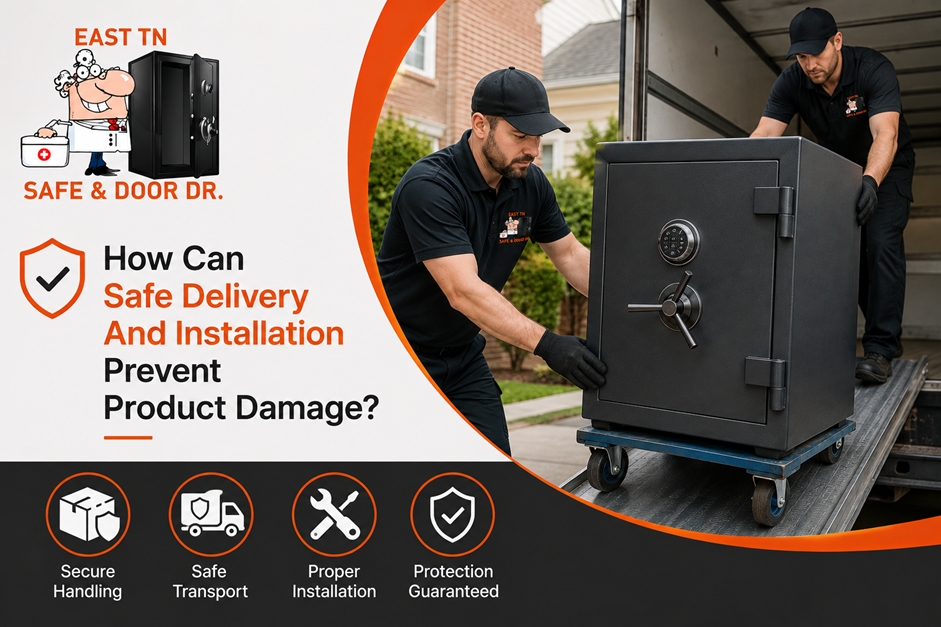
Could a product arrive in perfect condition and still become damaged during installation? It can happen when handling, transport, placement, or setup is rushed. Safe Delivery and Installation helps protect products through each stage, from loading and transportation to final placement. Careful planning can reduce scratches, dents, broken parts, and setup errors while helping the product reach its intended location in good working order.
Why Careful Handling Matters From the Start
The first line of protection is proper packaging. Boxes, padding, wrapping, corner guards, and other materials can help reduce movement and impact during transport.
The right packaging depends on the product. Heavy equipment may need stronger support, while delicate items may need extra cushioning and protection from moisture.
Plan the delivery route
A safe delivery starts before the product leaves the warehouse. Think about how it will move from the truck to the final installation area.
Measure doorways, hallways, stairways, elevators, and other tight spaces. Check for low ceilings or obstacles that could make handling harder.
● Confirm the product dimensions.
● Measure the delivery path.
● Check floor and surface conditions.
● Keep the route clear.
● Plan for stairs or lifts.
● Confirm where the product will be placed.
A few minutes of planning can prevent a costly last-minute scramble.
Use the right handling equipment
Large or heavy products should not be moved with makeshift methods. Dollies, lifting straps, carts, ramps, and other suitable equipment can make handling safer and more controlled.
The equipment should match the product's size and weight. Workers should also know how to use it correctly.
Protect the product during unloading
Unloading can be one of the riskiest parts of delivery. A product can be dropped, tipped, or struck against a wall if the process is poorly planned.
Keep the unloading area clear. Use enough people or suitable equipment for the job. Avoid placing the product directly on rough or wet surfaces unless it is designed for that environment.
Prepare the installation area
The product should have a clean and ready space before setup begins. Dust, moisture, clutter, and nearby construction work can create problems.
Protect floors and surrounding surfaces when needed. Make sure the installation area has enough working space for tools and movement.
Train the installation team
Experience matters when handling valuable or delicate products. Workers should understand the product, its weight, fragile areas, and correct installation process.
Proper training can reduce avoidable mistakes. It can also help the team recognize when a job requires special tools or extra support.
Steps That Help Protect the Product After Delivery
A quick inspection before installation can catch problems early. Look at the packaging, exterior, fittings, panels, and other visible parts.
If damage is found, document it with notes or photos and follow the appropriate reporting process. Do not install a visibly damaged product without first confirming the correct next step.
Handle delicate parts with care
Some products have components that are more sensitive than others. Glass, polished surfaces, electronics, hinges, displays, and finished panels may need extra attention.
Keep protective coverings in place until the installation stage where they are no longer needed. Avoid placing tools or heavy materials on finished surfaces.
Prevent installation-related damage
Damage is not always caused by the product itself. Tools can slip, fasteners can be overtightened, and surfaces can be scratched during setup.
Use the correct tools and avoid excessive force. Follow recommended torque or fastening instructions when provided.
Allow proper testing
Installation is not complete until the product has been checked. Test its main functions and make sure connections, moving parts, controls, and safety features work as expected.
Look for unusual sounds, movement, leaks, loose fittings, or other warning signs.
Testing before the team leaves gives you a chance to address small issues while the installation details are still fresh.
Know when professional help is worthwhile
Some products are simple to install, while others require special skills, tools, or careful positioning. For complex equipment, professional installation may reduce the chance of damage.
For products involving locks or security systems, for example, searching for Locksmith Safe Opening Near Me may help locate local assistance when a qualified professional is needed for related lock or access work.
The important point is to match the installer to the product. Proper experience can protect both the item and the surrounding property.
Focus on the whole process
Preventing product damage is not one single task. It starts with secure packaging, continues through careful transportation and unloading, and ends with correct installation and testing. When safe delivery and installation are planned as one complete process, there are fewer chances for problems to slip through the cracks. Careful handling protects the product, saves time, and can reduce the cost of repairs or replacement.
A little patience goes a long way. Measure first, prepare the space, use proper equipment, follow instructions, and inspect the final result. Ready to protect your product from delivery to final setup? Plan each step carefully and use trained professionals when the job calls for extra care.