Vehicle shipping rarely follows a perfectly predictable schedule. A carrier may encounter severe weather, a customer might discover that a vehicle has a mechanical problem, or a pickup location may become inaccessible because of construction or restricted entry. These situations can complicate an otherwise straightforward shipment.
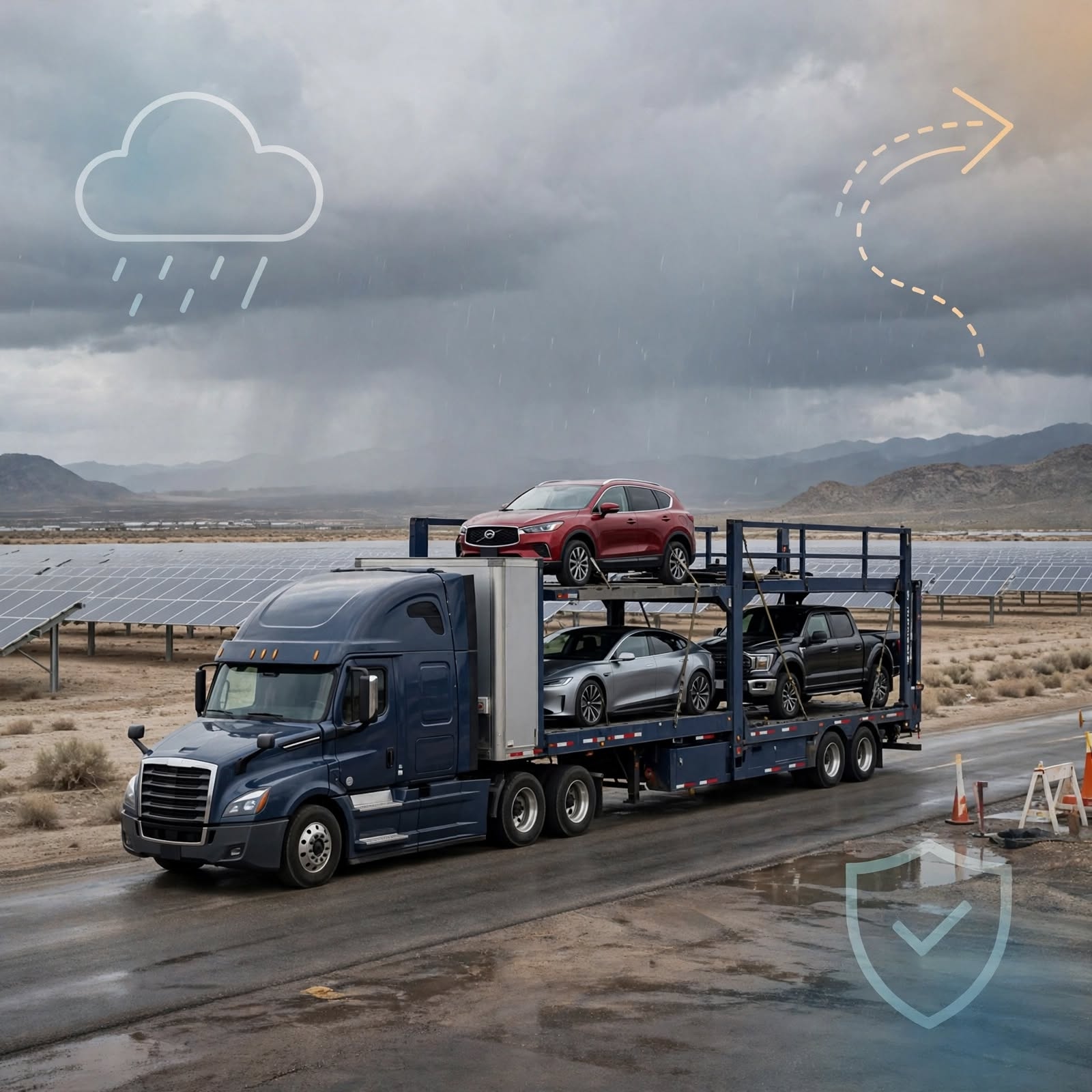
For customers arranging interstate transportation in the United States, understanding how auto transport companies respond to unexpected challenges is just as important as comparing prices. A reliable transportation provider needs more than a truck and a delivery route. It needs practical solutions, clear communication, and the ability to adjust when circumstances change.
Rapid Auto Shipping helps customers coordinate vehicle transportation across all 50 states, with services designed around different vehicle types, pickup arrangements, and delivery requirements.
A Shipment Changes Direction: Common Problems Behind Delays
Unexpected situations can develop before pickup, during transit, or even at the delivery destination. Some problems are outside the carrier's control, while others can be prevented through better preparation.
Consider these common examples:
Severe weather: Snowstorms, hurricanes, flooding, and heavy rainfall can make certain highways unsafe.
Vehicle condition issues: A car that was described as operational may fail to start when the driver arrives.
Access restrictions: Narrow residential streets, low-hanging branches, and gated communities can prevent large transport trucks from reaching a property.
Scheduling conflicts: A seller may not have the vehicle ready, or the buyer may be unavailable to receive it.
Mechanical problems with transport equipment: Unexpected truck or trailer maintenance can interrupt a carrier's planned schedule.
Documentation problems: Missing keys, incomplete release paperwork, or auction authorization issues can prevent a scheduled pickup.
The way these situations are handled determines whether a shipment experiences a manageable adjustment or a more serious disruption.
When the Original Route Is No Longer the Best Option
Long-distance transportation across the United States involves different road conditions, traffic patterns, and seasonal challenges.
For example, a carrier transporting vehicles from Colorado to Pennsylvania may encounter winter weather around mountain routes before reaching the Midwest. Similarly, shipments traveling through Florida during hurricane season may face temporary road closures or changing travel conditions.
Professional auto transport companies must consider several factors when adjusting a route:
Road safety: Avoiding roads affected by flooding, ice, or dangerous weather.
Truck restrictions: Checking weight limits, bridge clearances, and commercial vehicle restrictions.
Delivery commitments: Evaluating how an alternative route affects the expected arrival window.
Driver availability: Ensuring the revised schedule remains practical and compliant with applicable driving regulations.
A route adjustment should prioritize safety rather than simply maintaining the original estimated arrival time.
The Vehicle Arrives, But It Will Not Start
One particularly frustrating situation occurs when a vehicle becomes inoperable shortly before its scheduled pickup.
This can happen with auction purchases, older automobiles, accident-damaged vehicles, and cars that have been sitting unused for extended periods.
The solution depends on the vehicle's exact condition.
If the engine does not start but the wheels roll, a winch-equipped carrier may be suitable.
If the wheels are locked, specialized dollies or wheel skates may be required.
If the steering system is damaged, additional loading arrangements may be necessary.
If the vehicle has severe collision damage, the carrier must evaluate whether it can be safely loaded and secured.
Customers should disclose these details before dispatch. Waiting until the carrier arrives can result in additional charges, rescheduling, or the need for different equipment.
Rapid Auto Shipping helps customers coordinate transportation requirements for different vehicle conditions, including open and enclosed shipping arrangements where suitable.
Communication Can Prevent a Small Problem From Becoming a Major One
A delayed shipment becomes more stressful when the customer has no idea what is happening.
Imagine a customer shipping a recently purchased SUV from New Jersey to Arizona. The original pickup appointment changes because the seller cannot release the vehicle on time. Without proper communication, the buyer may arrange unnecessary time off work or schedule a delivery appointment that no longer makes sense.
Effective communication should cover:
Situation | Information customers should receive |
Pickup delay | Updated pickup expectations |
Weather disruption | Reason for the schedule adjustment |
Route change | Relevant transportation updates |
Vehicle condition issue | Equipment or handling requirements |
Delivery rescheduling | Revised arrival coordination |
Customers should also have a reliable contact point for questions rather than relying on assumptions about when the vehicle will arrive.
This is one reason shipment updates matter throughout the transportation process.
The Pickup Location Becomes a Problem
Not every delivery address is suitable for a full-size car carrier.
Residential neighborhoods may have parked vehicles, narrow roads, sharp turns, or restrictions on commercial trucks. Similar problems can occur at apartment complexes, dealerships, storage facilities, and auction locations.
A practical solution is arranging an alternative meeting point.
For example, a carrier might coordinate pickup or delivery at a nearby shopping center, spacious parking lot, or accessible commercial location, provided it is safe and legally permitted.
Before scheduling, customers should:
Confirm that the truck can access the property.
Check for gate restrictions and entry requirements.
Ensure someone is available to release or receive the vehicle.
Arrange an alternative location if the original address is unsuitable.
These simple checks can save considerable time on transportation day.
How to Evaluate a Company's Response Before Booking
The cheapest quote does not always represent the best shipping arrangement. Customers should evaluate how a transportation provider handles problems, not just how quickly it promises delivery.
Ask these questions before confirming a shipment:
How are weather-related delays communicated?
What happens if the vehicle becomes inoperable before pickup?
Are additional loading requirements discussed in advance?
How are inaccessible pickup locations handled?
What documentation is provided during vehicle inspection?
Is cargo insurance coverage explained before transportation?
It is also sensible to verify the motor carrier's operating authority and insurance information through the Federal Motor Carrier Safety Administration (FMCSA).
Rapid Auto Shipping offers vehicle shipping arrangements across the United States, including door-to-door service, open and enclosed transport, real-time shipment updates, and free instant quotes. Customers should discuss specific vehicle and scheduling requirements when requesting a quote.
A Better Shipping Experience Starts With Preparation
Unexpected challenges are part of moving vehicles across long distances. Weather conditions, mechanical failures, restricted access, and scheduling changes can affect even carefully planned shipments.
What matters is how these situations are managed. Customers should look for transportation providers that communicate clearly, explain available solutions, and consider vehicle safety before making scheduling decisions.
With more than 14 years of industry experience, Rapid Auto Shipping helps customers arrange vehicle transportation throughout the USA. Its services include open and enclosed shipping, door-to-door transportation, real-time updates, and free instant quotes.
Planning a vehicle shipment? Contact Rapid Auto Shipping at +1 (833) 233-4447 to discuss your transportation requirements and request a free quote.
Frequently Asked Questions
1. What happens if a car carrier gets delayed by bad weather?
The carrier may adjust its route or delivery schedule to avoid unsafe conditions. Customers should receive updated timing information as arrangements change.
2. Can auto transport companies handle last-minute vehicle condition changes?
Many can accommodate changes, but the customer must communicate them promptly. A non-running vehicle may require additional equipment or a different carrier arrangement.
3. What if a transport truck cannot reach my home?
The customer and carrier can coordinate a nearby accessible meeting location, such as a suitable commercial parking area.
4. Do unexpected shipping delays increase the total cost?
Not necessarily. However, additional services, special equipment, storage, or changed pickup arrangements may result in extra charges. Customers should request clarification before approving additional costs.
5. How can I reduce unexpected vehicle shipping problems?
Provide accurate vehicle details, confirm pickup accessibility, prepare the required paperwork, remain available for communication, and avoid scheduling around an overly tight delivery deadline.



