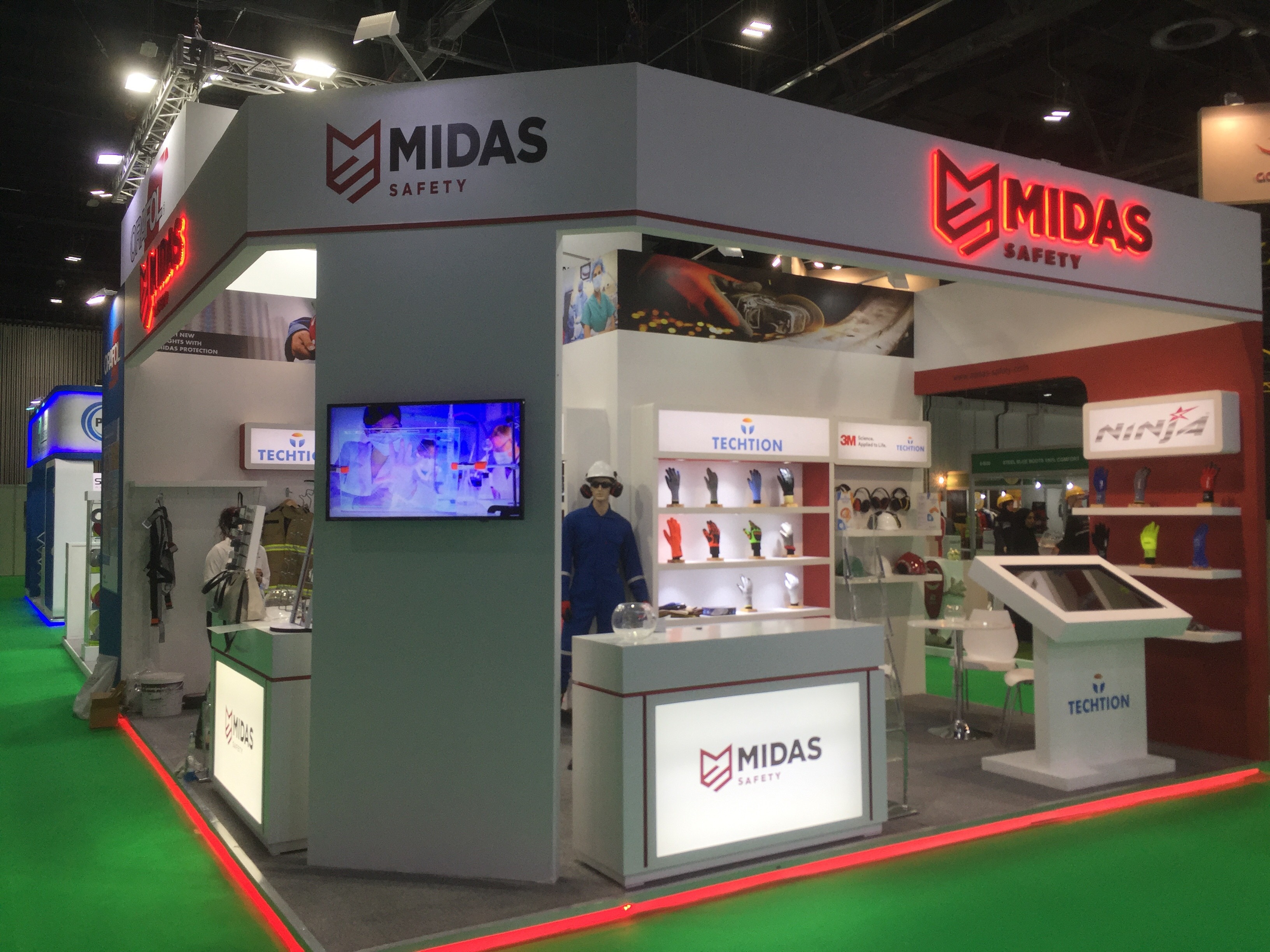
Dubai has established itself as one of the world’s most influential destinations for exhibitions, trade shows, conferences, and business events. Every year, companies from different industries compete for attention in highly dynamic exhibition halls where hundreds of brands showcase their products and services. In such an environment, a well-planned exhibition stand can become a powerful business asset rather than simply a physical display.
Working with an experienced Exhibition Stand Contractor in Dubai allows businesses to transform their brand strategy into an engaging physical experience. However, successful exhibition participation requires much more than attractive graphics. Companies must consider objectives, audience, stand design, visitor flow, technology, branding, logistics, installation, and post-event evaluation. Therefore, careful planning from the beginning is essential.
1. Start With a Clear Exhibition Strategy
Before discussing colours, structures, lighting, or furniture, define what the exhibition stand needs to achieve. A company may participate in an event to generate leads, launch a product, strengthen brand awareness, meet existing customers, enter a new market, or establish partnerships. Each objective requires a different approach to the stand design.
For example, a technology company launching a new solution may need interactive demonstrations and private discussion areas. In contrast, a luxury brand may focus more heavily on sophisticated aesthetics, premium materials, and an exclusive visitor experience. Consequently, your objectives should influence every design and planning decision.
It is also important to identify the target audience before developing the concept. Consider who will visit the exhibition, what they expect, and what problems they want to solve. Once these factors are clear, the Exhibition Stand Builder in Dubai can develop a concept that communicates the brand message while encouraging meaningful visitor interaction.
Moreover, establish measurable goals before the event begins. Instead of simply aiming to “get more visitors,” set specific targets for qualified leads, product demonstrations, meetings, or sales opportunities. This approach makes it easier to evaluate the exhibition investment after the event and improve future participation.
2. Build a Stand Concept That Communicates Your Brand
A successful exhibition stand should communicate a brand’s identity within seconds. Visitors often walk through busy exhibition halls surrounded by competing companies. Therefore, your stand must immediately answer three fundamental questions: Who are you? What do you offer? Why should visitors care?
The overall design should remain consistent with your existing corporate identity. Colours, typography, imagery, logos, messaging, and materials should work together rather than appear as disconnected elements. At the same time, avoid overcrowding the stand with excessive text. Strong visual hierarchy allows visitors to understand the key message quickly.
The layout also deserves careful attention. An effective stand should provide a natural visitor journey from attraction to engagement and, ultimately, conversion. Open entrances can make a space feel welcoming, while strategically positioned displays can encourage visitors to explore further. Depending on your objectives, the design may include product demonstration zones, reception counters, seating areas, meeting rooms, storage facilities, or hospitality spaces.
In addition, consider how the stand will appear from a distance. Large-format graphics, elevated branding, distinctive architectural elements, and carefully positioned lighting can help your company stand out across a crowded exhibition floor. A professional Exhibition Stand maker in Dubai can balance creativity with practical requirements to create a structure that looks impressive while remaining functional.
3. Choose the Right Partner for Design and Construction
Selecting the right contractor represents one of the most important decisions in the entire exhibition planning process. An experienced Exhibition Stand Contractor in UAE should understand not only creative design but also project management, production, venue regulations, installation, dismantling, and event deadlines.
When evaluating potential contractors, examine their previous work and industry experience. A strong portfolio can reveal whether the company has experience creating custom exhibition environments for businesses similar to yours. However, do not judge a contractor solely on visual appeal. Ask about their ability to manage the complete project from initial concept through final dismantling.
Communication also plays a critical role. Your contractor should understand your objectives, budget, timeline, brand guidelines, and technical requirements before developing the final proposal. Clear communication reduces misunderstandings and prevents expensive last-minute changes.
Furthermore, discuss costs in detail at the beginning. A professional contractor should provide clarity regarding design, materials, construction, graphics, furniture, lighting, transportation, installation, dismantling, and additional services. A low initial quotation may not necessarily represent the best value if essential services appear later as additional costs.
4. Plan the Budget, Timeline, and Logistics Carefully
An impressive exhibition stand requires financial planning well before the event. Begin by establishing a realistic budget based on the stand size, design complexity, materials, technology, furniture, graphics, transportation, labour, and venue requirements. Once the budget is established, divide it into categories so you can identify where investment will have the greatest impact.
For instance, spending heavily on architectural features may have limited value if the stand lacks effective visitor engagement. Similarly, advanced technology may not produce meaningful results if the team does not know how to use it. Therefore, prioritise elements that directly support your exhibition objectives.
Timing is equally important. Exhibition projects involve several stages, including briefing, concept development, design approval, technical drawings, production, graphic preparation, transportation, installation, inspection, and handover. Delays at any stage can create pressure later in the process.
Consequently, work backwards from the official exhibition opening date and establish internal deadlines earlier than the venue deadlines. This additional time provides a valuable buffer for revisions or unexpected production issues. A reliable contractor should also maintain a clear project schedule and keep you informed throughout the process.
5. Turn Your Stand Into an Experience
Modern exhibition visitors expect more than static displays. They want experiences that provide useful information, demonstrate value, and give them reasons to interact with a brand. Therefore, consider incorporating demonstrations, interactive screens, product samples, digital presentations, live discussions, or guided experiences where appropriate.
However, technology should support your message rather than dominate it. A large digital screen may attract attention, but it becomes ineffective if visitors cannot understand what the content communicates. Similarly, interactive installations should have a clear purpose and simple user experience.
Staff engagement is another crucial component. Even the most sophisticated stand cannot deliver results without a prepared team. Train staff members to approach visitors professionally, ask relevant questions, explain solutions clearly, and identify qualified prospects. At the same time, avoid aggressive sales tactics that may discourage visitors.
Create different zones for different conversations when possible. A welcoming reception area can facilitate initial engagement, while semi-private seating can support detailed discussions. For high-value business meetings, enclosed meeting rooms can provide greater privacy and professionalism.
6. Make Visibility and Visitor Flow a Priority
Visibility begins before visitors enter your stand. Your branding should be positioned where people can easily see it from major walking routes. Strong lighting, elevated signage, distinctive structures, and carefully selected graphics can increase visibility without creating unnecessary visual clutter.
Inside the stand, visitor movement should feel natural. Avoid creating narrow passages or placing large displays where they obstruct movement. Instead, design the space so visitors can comfortably enter, explore, interact, and speak with representatives.
Lighting deserves particular attention because it can dramatically influence the atmosphere of an exhibition space. General illumination provides functionality, while accent lighting can highlight products, graphics, architectural features, or important brand messages. The right combination can create depth and guide visitor attention.
Additionally, consider accessibility and comfort. Provide adequate space for visitors with different mobility requirements, ensure seating is comfortable, and keep important information easy to access. A visitor-friendly environment encourages people to stay longer and engage more deeply with your brand.
7. Prepare for Installation, Compliance, and the Event Day
A successful design still needs flawless execution. Exhibition venues operate under strict rules concerning dimensions, structural safety, electrical installations, fire regulations, rigging, working hours, and approved materials. Therefore, your contractor must understand the venue's technical requirements before production begins.
During installation, the contractor should coordinate transportation, labour, construction, electrical work, graphics, furniture, technology, and final finishing. Every component must arrive at the correct location and be assembled according to the approved design.
Before the exhibition opens, conduct a complete inspection. Check branding, lighting, screens, furniture, product displays, storage, meeting areas, electrical connections, and visitor pathways. Also test every digital device and presentation. Resolving issues before visitors arrive creates a much more professional experience.
Finally, prepare your team for the actual event. Assign responsibilities clearly so that some staff members focus on welcoming visitors while others handle demonstrations or business meetings. Establish a lead-capture process as well, because collecting contact information without recording meaningful visitor details can reduce the value of your exhibition investment.
8. Measure Results and Improve Your Next Exhibition
The exhibition does not truly end when the doors close. After the event, your team should evaluate performance against the objectives established at the beginning. Measure metrics such as visitor numbers, qualified leads, meetings, demonstrations, enquiries, social engagement, and sales opportunities.
However, quantitative results tell only part of the story. Gather feedback from employees and visitors to understand what worked and what did not. Perhaps visitors found a particular demonstration especially useful, or maybe the meeting area became crowded during peak hours. These observations can provide valuable insights for future events.
Lead follow-up should also happen quickly. Prioritise high-value prospects and personalise communication based on the conversations held at the stand. A well-designed exhibition can generate excellent opportunities, but those opportunities require consistent follow-up to become commercial results.
Ultimately, successful exhibition participation combines strategy, design, construction, visitor engagement, and follow-up. Companies that approach exhibitions as long-term marketing investments can create stronger brand recognition and more valuable business relationships.
Design With Purpose, Build With Precision
Planning an exhibition stand in Dubai requires a combination of creativity, strategic thinking, technical expertise, and disciplined project management. From defining objectives and understanding your audience to selecting the right partner and measuring post-event performance, every stage contributes to the final outcome.
For businesses seeking a professional partner, iDP Exhibitions can help transform exhibition objectives into practical and engaging stand concepts. Whether the goal is to introduce a new product, strengthen market presence, generate leads, or create memorable customer experiences, the right exhibition strategy can make a substantial difference.
A successful stand is not simply a structure placed inside an exhibition hall. It is a physical expression of your brand, a platform for conversations, and an opportunity to create meaningful connections. With careful planning, strong execution, and a clear understanding of your audience, your next exhibition stand can become one of your most effective marketing investments.