
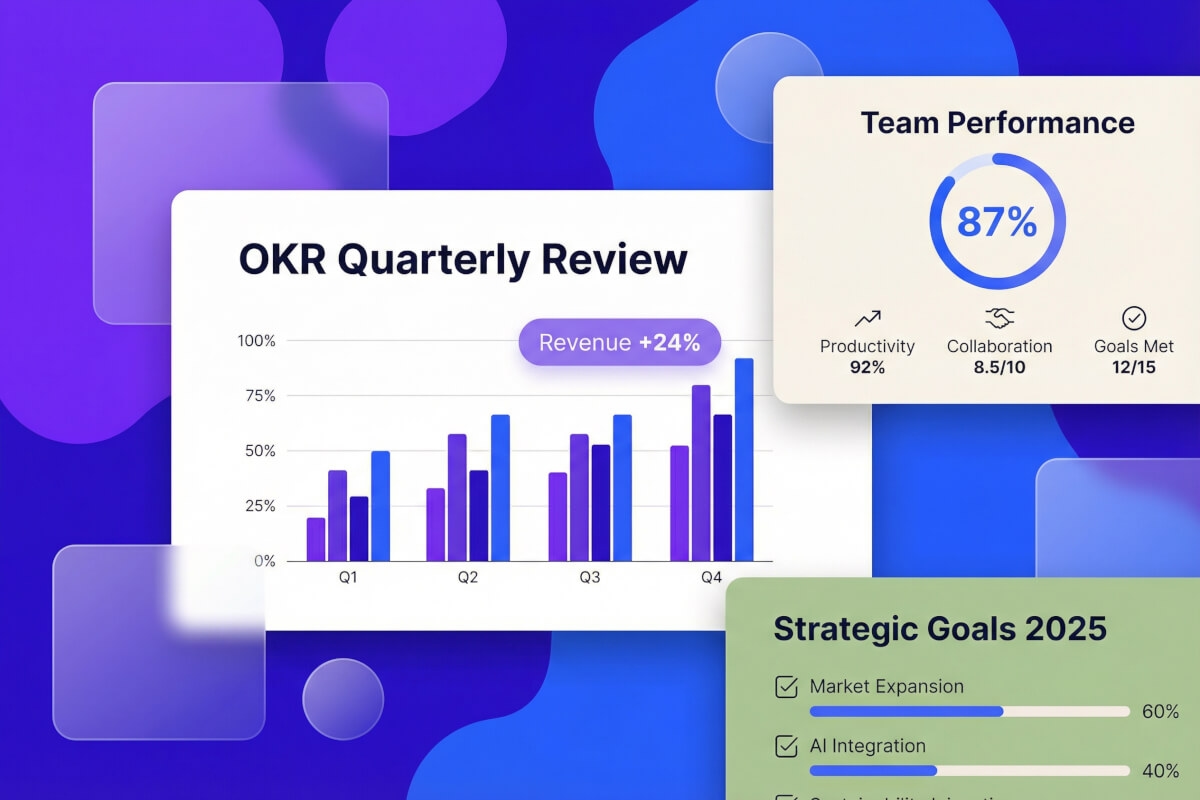
Creating a professional presentation is an important part of communicating business ideas, introducing services, presenting company achievements, and attracting potential clients. However, designing slides from scratch can take considerable time and effort, especially when businesses need consistent and visually appealing results. Presentation templates offer a practical solution by providing ready-made layouts, design elements, and structures that simplify the process.
When choosing a template, businesses often face a common question: should they use free options or invest in premium designs? Both choices have advantages and limitations, depending on the purpose of the presentation, available resources, and desired quality. Understanding these differences can help individuals and organizations make informed decisions that support their communication goals.
Understanding Free Company Presentation Templates
Free presentation templates are pre-designed slide layouts available without an upfront payment. They are commonly offered through online design platforms, presentation software, and websites specializing in business resources. These templates allow users to create presentations without investing money in professional design services.
Benefits of Free Templates
The most obvious advantage of free templates is affordability. Startups, freelancers, students, and small businesses can create professional-looking slides without increasing their expenses. This makes free designs particularly useful for organizations operating with limited budgets.
Free templates also provide convenience. Users can download a suitable design, replace the sample text, add their company logo, and insert relevant images or charts. This process can significantly reduce the time required to prepare a presentation.
Another benefit is accessibility. Many free templates are available in familiar formats, including PowerPoint and Google Slides. Users can edit these designs using tools they already understand, without needing advanced graphic design skills.
Free options are also helpful for experimentation. Businesses can test different layouts, color combinations, and presentation styles before deciding which design approach works best for their brand.
Limitations of Free Templates
Despite their advantages, free templates sometimes offer limited customization options. Users may encounter repetitive layouts, basic graphics, and restricted slide selections. These limitations can make it difficult to develop a distinctive presentation that reflects a company's identity.
Another concern is originality. Popular free designs may be used by numerous businesses, reducing the uniqueness of a company's visual communication. When presenting to investors, corporate clients, or business partners, a generic appearance may not create the desired impression.
Quality can also vary considerably. Some free templates feature inconsistent typography, poor spacing, or outdated visual styles. Users may need to spend additional time correcting these issues before the presentation is ready.
Licensing is another important consideration. Not every free template permits commercial use or unrestricted modification. Businesses should review the applicable terms before using designs in client presentations, marketing materials, or other commercial projects.
Understanding Premium Company Presentation Templates
Premium templates are paid designs created to provide more advanced layouts, visual elements, and customization possibilities. They are often developed by professional designers who understand presentation principles, branding requirements, and business communication needs.
These templates may be available through individual purchases, subscription services, or specialized presentation design platforms.
Benefits of Premium Templates
One major advantage of premium designs is their professional appearance. They often include carefully arranged layouts, coordinated typography, refined color palettes, and high-quality visual elements. These features help businesses communicate information clearly while maintaining a polished presentation style.
Premium templates frequently provide a broader selection of slides. Instead of offering only basic title, content, and conclusion layouts, they may include financial charts, organizational structures, product showcases, timelines, comparison slides, and team introductions.
This variety is particularly useful for businesses that regularly prepare proposals, company profiles, sales presentations, and investor pitches. A wider selection allows presenters to organize information according to the specific needs of their audience.
Customization is another significant benefit. Many premium designs include editable graphics, multiple color schemes, icon collections, and flexible layouts. Companies can adapt these elements to match their brand guidelines without rebuilding every slide.
Premium resources may also include documentation, support, or additional design assets. Depending on the provider, these features can make customization easier and reduce the time required to resolve technical problems.
Limitations of Premium Templates
The primary disadvantage is the cost. Although individual templates are generally less expensive than hiring a professional designer, purchasing multiple designs or maintaining a subscription can increase business expenses.
Premium templates also require careful selection. A higher price does not automatically guarantee better quality or suitability. Some designs may appear attractive in previews but prove difficult to customize or inappropriate for a particular presentation.
Additionally, sophisticated templates can sometimes contain unnecessary animations, decorative graphics, or complicated layouts. These elements may distract audiences instead of helping them understand the main message.
Businesses should therefore evaluate premium options based on practicality, flexibility, and communication value rather than price alone.
Key Differences Between Free and Premium Options
Design Quality and Visual Appeal
Free templates can deliver excellent results when they feature clean layouts and consistent formatting. However, premium designs generally offer more variety and may include more sophisticated visual elements.
The difference matters most when presentations represent a company's public image. A polished design can support credibility, particularly during investor meetings, sales pitches, and important corporate discussions.
Nevertheless, good presentation design depends on more than the template itself. Clear writing, relevant visuals, appropriate typography, and logical slide organization remain essential regardless of the price.
Customization and Branding
Free designs usually provide enough flexibility for straightforward presentations. Users can often change colors, fonts, images, and text to create a basic brand identity.
Premium options may offer more extensive customization, making it easier to maintain consistency across multiple presentations. Businesses that frequently produce branded materials may find this flexibility especially valuable.
The best choice depends on the level of control required. A simple internal update may not need extensive customization, while a company profile intended for prospective clients may benefit from more carefully tailored layouts.
Time and Productivity
Both free and premium templates can save time compared with designing slides from scratch. However, the actual time savings depend on how closely the template matches the project's requirements.
A free template may require substantial adjustments to improve its appearance or accommodate specific information. A suitable premium design may already include the necessary layouts, reducing additional work.
Businesses should consider the total effort involved rather than focusing exclusively on the purchase price. Time spent correcting formatting, rebuilding charts, and adjusting slide structures also represents a cost.
When Should You Choose Free Templates?
Free templates are an excellent choice for presentations with limited budgets, simple objectives, or relatively low design requirements. Internal meetings, classroom projects, routine progress reports, and preliminary business proposals can often be completed successfully using free resources.
They are also suitable for businesses exploring different presentation styles before committing to a particular visual direction.
However, free does not mean careless. Selecting a template with readable typography, balanced spacing, and consistent formatting can produce an effective result. Reviewing licensing terms and testing the final slides on the intended presentation software will also help avoid unnecessary problems.
When Are Premium Templates Worth the Investment?
Premium templates are worth considering when presentation quality directly influences business opportunities. Examples include investor pitches, major sales proposals, partnership presentations, and company introductions for important clients.
Organizations that create presentations regularly may also benefit from investing in a reusable design system. A well-chosen template can standardize layouts, strengthen brand consistency, and make future presentations easier to produce.
Before purchasing, businesses should examine the included slides, supported software, customization features, licensing conditions, and update policies. Choosing a design that fits existing workflows is more valuable than paying for features that will rarely be used.
Conclusion
The choice between free and premium presentation templates ultimately depends on business needs, budget, and expectations. Free designs provide affordability, convenience, and sufficient flexibility for many everyday presentations. Premium options can offer greater variety, stronger customization, and a more refined visual experience for important business communications.
Both approaches can produce effective results when used thoughtfully. Businesses should prioritize clarity, consistency, and audience engagement rather than assuming that an expensive design will automatically deliver better outcomes.
Ultimately, the right Company Presentation Templates should make information easier to understand, support the organization's brand identity, and help presenters communicate confidently. By evaluating design quality, customization requirements, licensing, and long-term value, businesses can select an option that meets their needs without wasting time or resources.



