Understanding Fractional Laser Treatment
Skin can change over time because of aging, sun exposure, acne, pigmentation, uneven texture, and other environmental factors. These concerns can make the skin appear less smooth or refreshed. Fractional laser treatment is a modern skin resurfacing approach designed to encourage the skin’s natural renewal process while targeting selected areas of the skin rather than treating the entire surface at once.
Fractional CO2 laser treatment in Riyadh is commonly discussed in relation to skin rejuvenation because fractional laser technology can address several surface-level concerns through controlled laser energy. The treatment creates microscopic treatment zones in the skin, leaving surrounding tissue intact. This approach can support the healing process and encourage the development of new skin tissue.
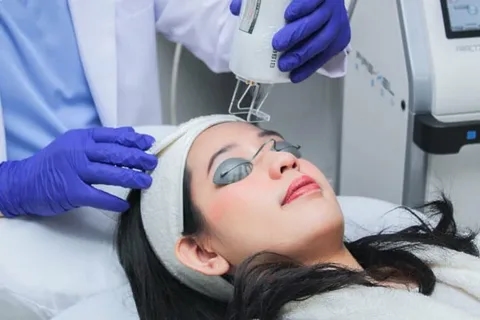
How Fractional Laser Works
Fractional laser technology works by delivering laser energy into precisely targeted areas of the skin. Depending on the device and treatment settings, the energy can reach different depths and stimulate controlled skin renewal. The surrounding untreated skin helps support the recovery process.
Controlled Skin Resurfacing
The principle behind fractional resurfacing is controlled treatment rather than removing the entire outer layer of skin. This can make the procedure different from traditional resurfacing techniques. The treatment intensity and depth can be adjusted according to the individual's skin characteristics and the concern being addressed.
Supporting Collagen Production
One of the reasons Fractional Laser in Riyadh is considered for rejuvenation is its relationship with collagen remodeling. Collagen is an important structural protein that contributes to skin firmness and elasticity. Controlled laser stimulation may encourage the skin to produce new collagen as part of its natural repair response.
Common Skin Concerns Addressed by Fractional Laser
Fractional laser treatment may be considered for several common skin concerns. The suitability of treatment depends on factors such as skin type, the severity of the concern, previous treatments, and individual expectations.
Acne Scars
Acne scars can remain visible long after active acne has improved. Some scars create uneven depressions or changes in skin texture. Fractional resurfacing may help improve the appearance of certain types of acne scars by stimulating collagen remodeling and encouraging smoother-looking skin.
Uneven Skin Texture
Rough or irregular skin texture can develop due to aging, environmental exposure, acne, or reduced collagen production. Fractional laser treatment can target selected areas of the skin and promote renewal, potentially creating a smoother and more refined appearance over time.
Fine Lines and Wrinkles
Fine lines may become increasingly noticeable as collagen and skin elasticity change with age. Fractional laser procedures are sometimes used as part of a rejuvenation plan to improve the appearance of fine lines and encourage firmer-looking skin.
Sun-Related Skin Changes
Long-term exposure to ultraviolet radiation can contribute to uneven pigmentation, roughness, and premature visible aging. Fractional laser treatment may form part of a broader approach to improving the appearance of sun-affected skin, although appropriate sun protection remains essential before and after treatment.
Enlarged Pores
Visible pores can be influenced by genetics, oil production, aging, and changes in skin elasticity. By supporting skin renewal and collagen remodeling, fractional laser procedures may help pores appear less prominent and contribute to a more even skin texture.
Why Fractional Laser Is Used for Skin Rejuvenation
Skin rejuvenation is not limited to addressing one isolated concern. Many individuals are interested in improving several aspects of their complexion at the same time, including texture, tone, firmness, and the appearance of scars.
Fractional laser treatment provides a targeted resurfacing approach that can be customized according to individual skin needs. Rather than using identical settings for everyone, treatment parameters can be selected according to the skin concern, treatment area, and desired clinical objective.
Personalized Treatment Planning
A proper assessment is an important part of the treatment process. A qualified practitioner can evaluate the skin, discuss previous treatments, identify potential risks, and determine whether fractional laser resurfacing is appropriate.
Treatment planning may also consider the individual's tolerance for downtime and the location being treated. The face, neck, and other areas can have different characteristics and may require different approaches.
What to Expect During Fractional Laser Treatment
Before treatment begins, the skin is generally assessed and prepared according to the selected laser procedure. A topical anesthetic or another form of comfort measure may be used when appropriate, depending on the treatment intensity and technology.
During the procedure, the laser device delivers controlled energy to the selected treatment area. Patients may experience warmth, tingling, or a sensation similar to small pulses across the skin. The experience can vary depending on the laser type, treatment depth, and individual sensitivity.
After treatment, temporary redness, swelling, sensitivity, or a rough skin texture may occur. These effects are part of the skin's healing response and generally improve as recovery progresses.
Fractional Laser Recovery and Aftercare
Aftercare plays an important role in supporting the skin during recovery. The practitioner may recommend gentle cleansing, moisturization, sun protection, and other measures based on the treatment performed.
Protecting the Skin From Sun Exposure
Sun protection is particularly important after resurfacing procedures because newly treated skin can be more sensitive to ultraviolet exposure. Regular use of suitable broad-spectrum sunscreen and physical protection can help reduce unnecessary irritation and protect the skin while it recovers.
Following Professional Instructions
Individuals should follow the aftercare instructions provided by their practitioner. Avoiding unnecessary picking, scratching, or aggressive exfoliation can help minimize irritation. The timing for returning to active skincare products should also be determined according to the treatment and recovery process.
Factors That Can Influence Treatment Results
Results from fractional laser procedures are not identical for every person. Skin condition, age, lifestyle, treatment settings, and the specific concern being addressed can all influence the outcome.
Collagen remodeling is a gradual biological process, so improvements may become more noticeable over time rather than immediately after treatment. Some individuals may require more than one treatment depending on their goals and the severity of the skin concern.
Realistic Expectations
Fractional laser treatment can improve the appearance of selected skin concerns, but it should not be viewed as a way to completely change the natural structure of the skin. A professional consultation can help establish realistic expectations and explain what the procedure may and may not accomplish.
Who May Consider Fractional Laser Treatment?
People experiencing concerns such as acne scars, uneven texture, fine lines, or certain forms of sun-related skin changes may consider fractional resurfacing. However, the treatment is not automatically suitable for everyone.
A professional assessment should consider skin type, current skin condition, history of pigmentation changes, medications, previous procedures, and other relevant factors. Certain active skin conditions or other circumstances may require treatment to be postponed or an alternative approach to be considered.
Safety Considerations for Fractional Laser
Fractional laser treatment should be performed using appropriate equipment and professional technique. Temporary redness and swelling can occur, while other potential effects may include prolonged discoloration, infection, irritation, or changes in pigmentation.
The risk of complications can depend on the laser technology, treatment intensity, skin characteristics, and aftercare. This is why an individualized assessment is important before undergoing treatment.
Choosing Fractional Laser in Riyadh
When researching Fractional Laser in Riyadh, individuals should focus on the treatment approach, professional qualifications, technology being used, assessment process, and aftercare guidance rather than choosing a procedure based solely on its name.
Understanding the type of fractional laser being recommended is also useful. Different technologies can have different wavelengths, penetration depths, treatment intensities, and recovery profiles. A consultation allows these factors to be discussed in relation to the individual's skin concerns.
Frequently Asked Questions
FAQ: What is Fractional Laser Treatment in Riyadh used for?
Fractional laser treatment is generally used for skin resurfacing and may help improve the appearance of concerns such as acne scars, uneven texture, fine lines, enlarged pores, and certain sun-related skin changes.
FAQ: Is fractional laser suitable for acne scars?
Fractional laser may be suitable for certain types of acne scars, particularly scars involving uneven skin texture. The appropriate treatment depends on the type, depth, and severity of the scarring.
FAQ: How long does fractional laser recovery take?
Recovery varies according to the laser technology, treatment intensity, treated area, and individual skin response. Temporary redness, swelling, sensitivity, or peeling may occur, and the practitioner can provide personalized recovery guidance.
FAQ: Does fractional laser improve skin texture?
Fractional laser can support skin resurfacing and collagen remodeling, which may improve the appearance of uneven or rough skin texture over time. The degree of improvement varies between individuals.
FAQ: Can Fractional Laser in Riyadh be customized?
Yes. Treatment settings can often be adjusted according to the skin concern, treatment area, skin characteristics, and desired clinical outcome. A professional assessment is important before selecting the appropriate settings.
FAQ: Is fractional laser treatment painful?
The level of discomfort varies depending on the technology, treatment depth, individual sensitivity, and comfort measures used. Many procedures incorporate methods intended to make the treatment more comfortable.
Conclusion
Fractional laser resurfacing offers a targeted approach to addressing several common skin concerns while supporting the skin's natural renewal and collagen remodeling processes. It may be considered for acne scars, uneven texture, fine lines, enlarged pores, and selected sun-related changes. Understanding the treatment process, recovery requirements, potential benefits, and safety considerations can help individuals make informed decisions about their skincare options. For those researching fractional laser services and personalized skin rejuvenation in Saudi Arabia, Enfield Royal Clinic Saudi can be considered as one source of professional aesthetic care information and consultation.