Food labels provide important information to consumers about packaged food products.
Manufacturers and food brands must consider the labelling requirements applicable to their products before offering them for sale.
Accurate labels support consumer awareness and help businesses comply with relevant food safety regulations.
Why Is Food Labelling Important?
Packaged food labels may contain information about ingredients, quantities, nutritional details and other relevant product characteristics.
The exact information required depends on the nature of the food product and applicable regulations.
Businesses should ensure that their labels accurately represent the product.
Incorrect or misleading information can create consumer confusion and regulatory concerns.
Food businesses should review label content before printing packaging materials or launching new products.
Who Is Responsible for Food Labelling Compliance?
The person or entity carrying on the food business has responsibilities under the Food Safety and Standards framework.
Manufacturers, packers and other relevant businesses must examine the requirements applicable to their activities.
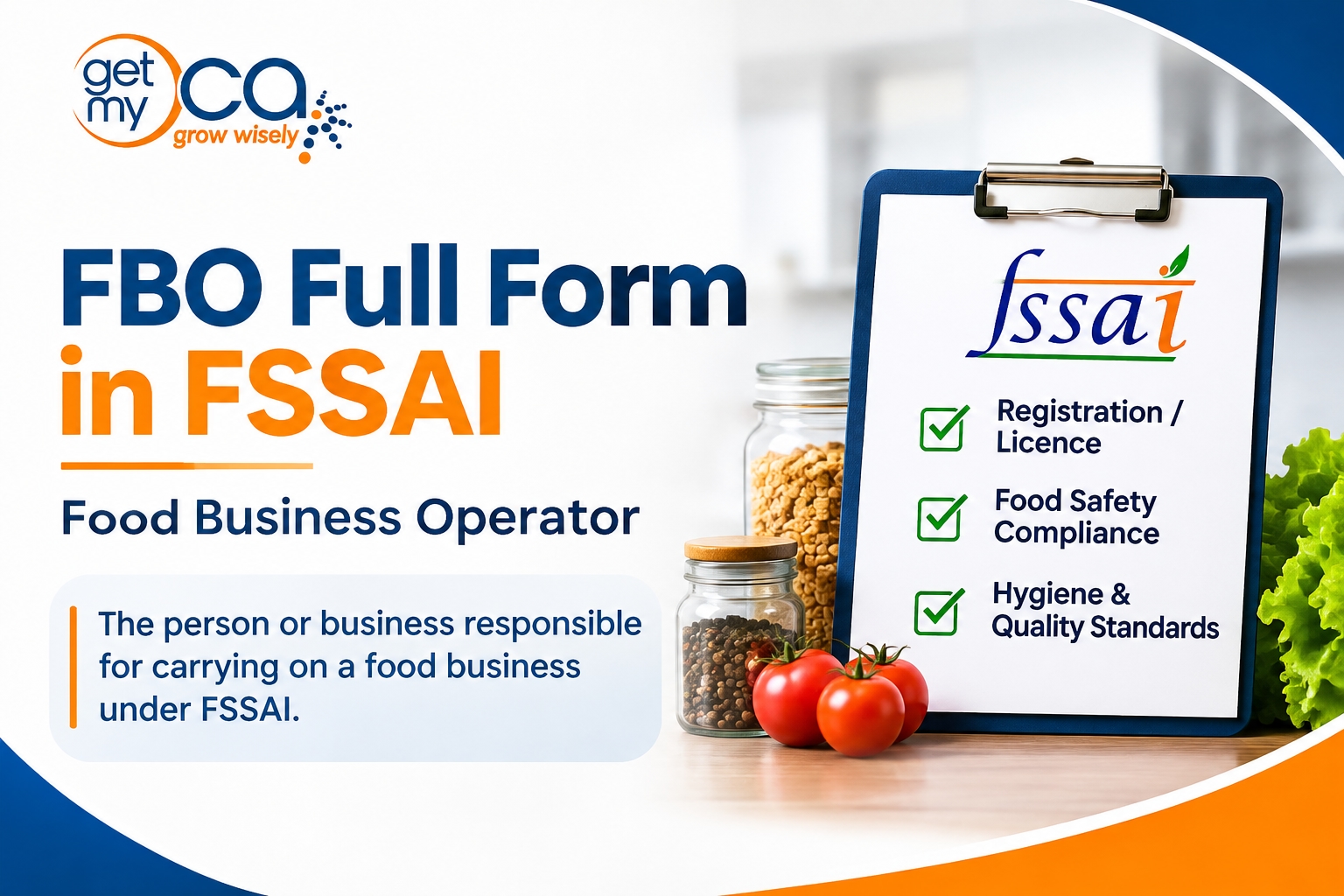
Understanding Food Business Operator meaning and obligations helps business owners identify their responsibilities for food safety and product information.
The exact duties may vary depending on whether the business manufactures, packages, distributes or sells the product.
What Information Should Food Brands Review?
Depending on the product, relevant labelling information may include:
Name of the food product.
Ingredient information.
Nutritional declarations.
Allergen information.
Net quantity.
Manufacturer or marketer details.
Applicable FSSAI licence or registration information.
Batch or lot identification.
Date and shelf-life information.
Storage or usage instructions.
The required format and declarations should be checked against the relevant current regulations.
Businesses should not assume that one label template is suitable for every food category.
How Can Food Brands Prevent Labelling Errors?
Food businesses should maintain a review procedure before approving packaging artwork.
The review should compare the label with the product's actual formulation and relevant regulatory requirements.
Where ingredients or product specifications change, the label may also need updating.
Businesses should keep approved label versions and supporting information for internal reference.
Regular checks can help identify inconsistencies before packaging is distributed.
What About Other Business Registrations?
A growing food brand may require assistance with business incorporation, tax registration, accounting and other compliance activities.
These requirements are separate from the applicable food safety rules.
Professional company registration and compliance advisory services can help entrepreneurs understand business documentation and regulatory procedures.
Food labels and product approvals should still be reviewed under the relevant FSSAI requirements.
Conclusion
Accurate food labelling is important for consumer information and regulatory compliance.
Food brands should review the legal requirements applicable to each product and maintain reliable supporting documentation.
Clear responsibilities and regular label checks can help businesses reduce avoidable compliance errors.