
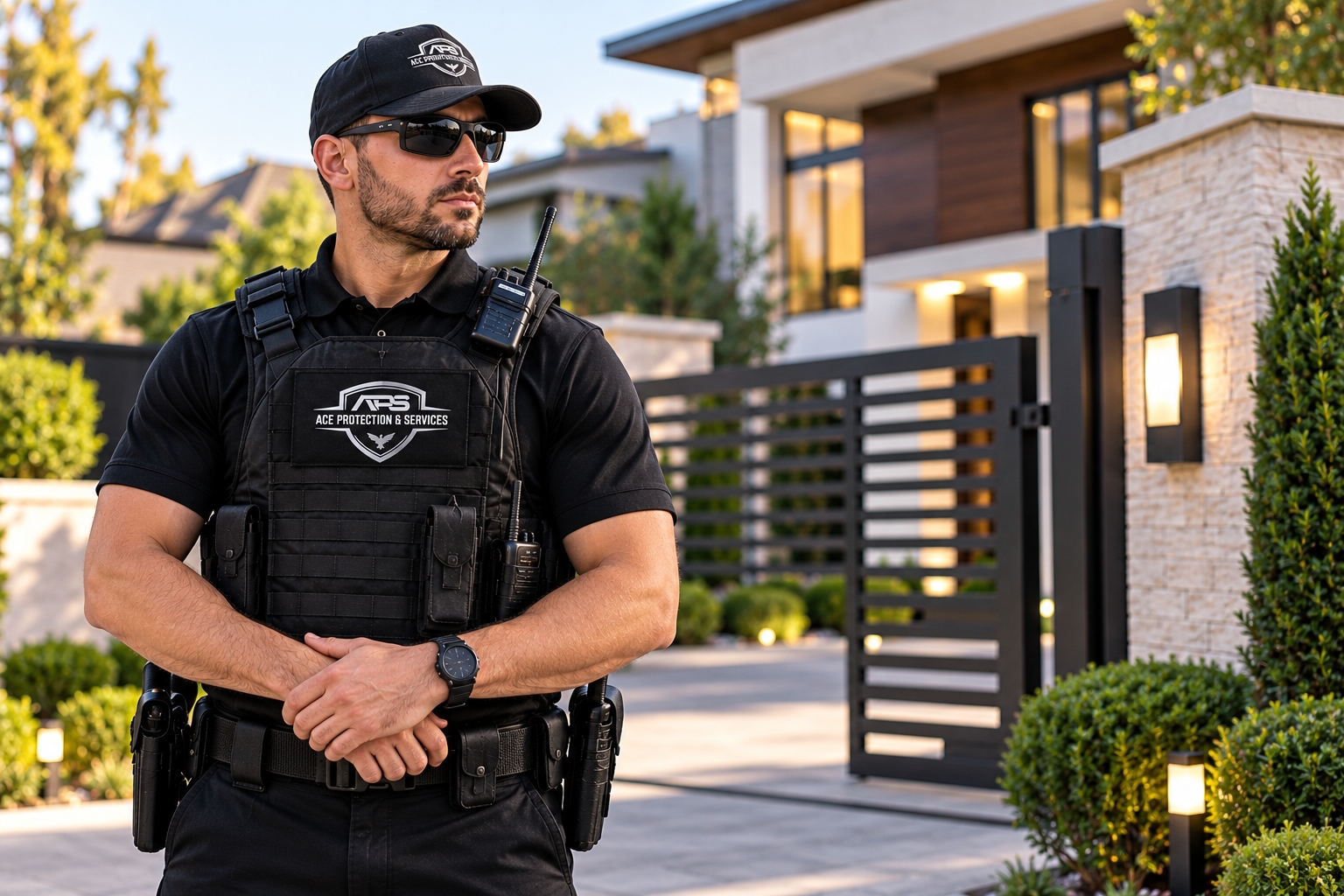
Home safety concerns have grown alongside changing neighborhood dynamics, prompting more homeowners to consider professional security options beyond alarm systems alone. A residential security guard offers a visible, responsive layer of protection that technology alone can't fully replicate, particularly for properties with higher foot traffic or specific vulnerability concerns. Understanding what these services actually involve, and how to evaluate providers, helps homeowners make an informed decision rather than choosing based on price alone.
What Residential Guard Services Typically Include
Coverage varies significantly depending on provider and property needs, ranging from stationary posts at entry points to mobile patrols across larger estates. Many services also include monitoring of deliveries, visitor logging, and basic emergency response coordination if an incident occurs. Some homeowners opt for daytime coverage only, while others require around-the-clock presence, particularly for properties in higher-risk areas or those housing valuable assets that warrant continuous observation.
Licensing and Training Standards to Verify
Not all guards carry the same level of training, and licensing requirements vary by state. Reputable providers ensure their staff completes formal training covering conflict de-escalation, emergency protocols, and basic first aid, alongside required state licensing. Before hiring, homeowners should confirm a residential security guard has completed proper certification, since unlicensed or undertrained personnel can create liability concerns rather than genuine safety improvements for the property they're meant to protect.
Armed Versus Unarmed Guard Considerations
Choosing between armed and unarmed coverage depends heavily on property risk level and personal comfort with firearms on-site. Armed guards typically undergo additional certification and background screening beyond standard requirements, reflecting the added responsibility involved. Unarmed guards remain a strong deterrent for many residential settings, particularly where the primary goal is visible presence and monitoring rather than active threat response. Discussing this choice openly with a provider helps match coverage to actual risk rather than assumption.
Evaluating a Provider's Screening Process
Background checks on guard personnel should go well beyond a basic criminal record search. Reputable agencies conduct thorough vetting, including employment history verification and psychological screening for roles involving direct client interaction. Homeowners should feel comfortable asking providers directly about their hiring and vetting process before signing a contract, since the person stationed at a home carries significant trust and access that a poorly vetted candidate could seriously compromise.
Technology Integration With Human Guard Presence
Modern security services increasingly pair guard presence with supporting technology like surveillance cameras, motion sensors, and mobile reporting apps that log patrol activity in real time. This combination allows homeowners to review coverage remotely rather than relying solely on guard reports. A well-integrated residential security guard service typically includes some form of digital accountability, giving homeowners visibility into coverage even when they aren't physically present to observe it themselves.
Questions to Ask Before Signing a Contract
Before committing to a provider, homeowners should clarify guard rotation schedules, backup coverage in case of illness or emergency, and how incidents get reported and escalated. Contract flexibility also matters, particularly for seasonal needs or temporary increased coverage during travel periods. Asking for references from current clients, rather than relying solely on online reviews, often reveals a more accurate picture of day-to-day service reliability and communication quality.
Conclusion
Selecting the right coverage ultimately depends on property size, risk factors, and how much visible presence versus discreet monitoring a homeowner prefers. Comparing licensing standards, screening processes, and technology integration across providers gives a much clearer picture of service quality than pricing alone ever could. For residents specifically exploring personal security services in Queens, local providers often bring added familiarity with neighborhood-specific risk patterns, making it worth prioritizing agencies with established experience in that particular area before finalizing any contract.