
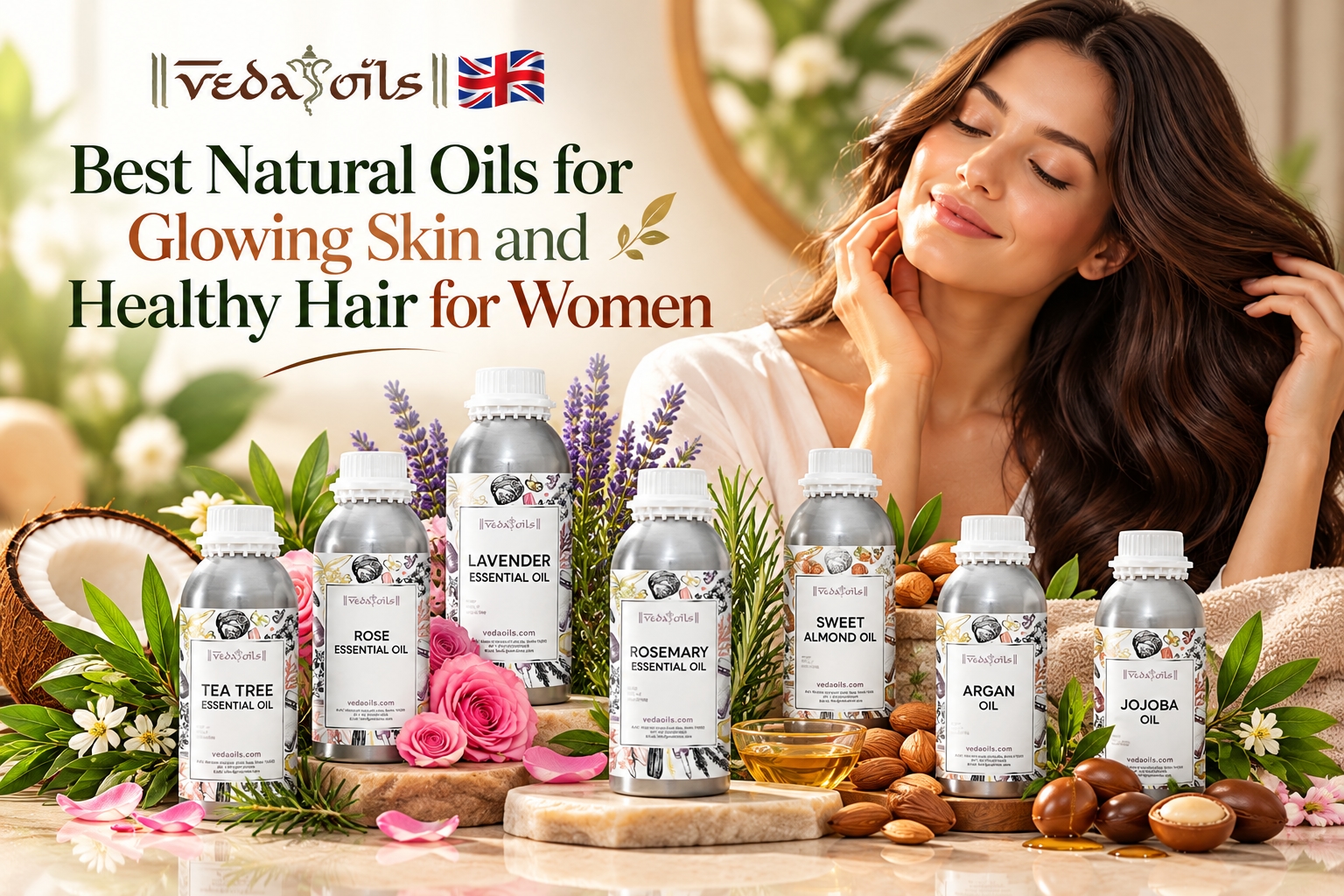
Essential oils bring distinctive botanical aromas to personal care products, massage blends and home fragrance creations. From floral lavender to fresh peppermint, each oil has its own character. Choosing the right one starts with understanding what it is, how it fits the intended application and which product details deserve attention.
Whether someone is exploring ingredients for a hobby or sourcing materials for a business, this guide explains the basics of essential oils and how to make more informed purchasing decisions.
What Are Essential Oils?
EssEssential Oils: A Guide to Choosing, Using and Storing Themential oils are concentrated aromatic materials obtained from plants. Depending on the botanical source, they may come from flowers, leaves, peels, bark, roots or other plant parts. Common extraction methods include steam distillation and expression, particularly for certain citrus peels.
Despite their name, essential oils differ from fatty carrier oils such as sesame, jojoba and sweet almond oil. Carrier oils typically provide the base in oil-based personal care blends, while essential oils contribute concentrated aroma.
Essential Oils and Their Aroma Profiles
Understanding scent profiles makes it easier to choose ingredients for a project.
1. Lavender Essential Oil
Lavender has a floral, herbaceous aroma. Buyers should check the botanical name because different lavender species can produce noticeably different scent profiles.
2. Peppermint Essential Oil
Peppermint offers a strong, minty aroma. Its intensity makes careful formulation important, particularly when combining it with other aromatic ingredients.
3. Rosemary Essential Oil
Rosemary has a fresh, herbal scent that may have camphoraceous notes. Product specifications help buyers distinguish between available varieties.
4. Lemon Essential Oil
Lemon provides a bright citrus aroma. Its extraction method and application-specific guidance should be reviewed before use.
5. Tea Tree Essential Oil
Tea tree has a distinctive fresh, medicinal scent. As with any essential oil, its suitability depends on the intended product and formulation.
How Are Essential Oils Used?
Essential oils appear in a range of products, but an oil suitable for one application is not automatically suitable for another.
Personal care formulations: Makers may incorporate suitable oils into soaps, shampoos, body oils and other cosmetic products after assessing compatibility and appropriate usage levels.
Massage blends: Selected essential oils can contribute fragrance to properly formulated carrier-oil blends. The choice and concentration should suit the intended application.
Home fragrance: Compatible oils may be used in purpose-designed home fragrance products. Follow the instructions for the equipment or base rather than assuming every oil works in every diffuser.
For products intended for sale, ingredient selection should form part of a broader formulation and product assessment process.
How to Choose Essential Oils
Start with a clear purpose. A soap maker needs different performance information from someone developing a body oil or choosing a home fragrance ingredient.
Check the botanical name, plant part, extraction method and declared ingredients. These details help distinguish products with similar common names.
Review available technical information, including a Safety Data Sheet and Certificate of Analysis where relevant. Each document serves a different purpose and should be read alongside the product specifications.
When comparing options from VedaOils UK, review individual listings and confirm any details needed for your project. For larger purchases, ask about samples and test the oil in the intended formulation before committing to bulk quantities.
Storing Essential Oils
Follow the supplier’s storage instructions and keep containers securely closed. Protect labels so product names and batch references remain readable.
Record purchase and opening dates, especially when managing several oils for production. Avoid assuming that every essential oil has the same shelf life; use the guidance supplied for the particular product.
Frequently Asked Questions
1. Are essential oils the same as fragrance oils?
Ans: No. Essential oils are plant-derived aromatic materials, while fragrance oils are formulated scent blends that may contain natural or synthetic aromatic ingredients.
2. Can beginners buy essential oils?
Ans: Yes. Beginners should start with a clear project, review product information, and follow application-specific instructions.
3. Where can I explore essential oils online?
Ans: VedaOils UK is one option to explore. Compare botanical identity, specifications, quantities and documentation before selecting oils for your needs.




