Discover how the right cutting tools can improve CNC machining accuracy, productivity, surface finish, and tool life in modern manufacturing.
How the Right Cutting Tools Can Elevate Manufacturing Accuracy and Productivity
Modern manufacturing depends on precision, efficiency, and consistent product quality. Choosing the right cutting tools is an important step toward achieving these goals. In CNC machining, suitable tools help manufacturers maintain dimensional accuracy, improve surface finish, and reduce unnecessary production delays. Businesses that want to elevate tools performance must consider tool material, cutting geometry, operating parameters, and maintenance practices. Understanding these factors helps manufacturers make better tooling decisions and improve overall machining productivity.
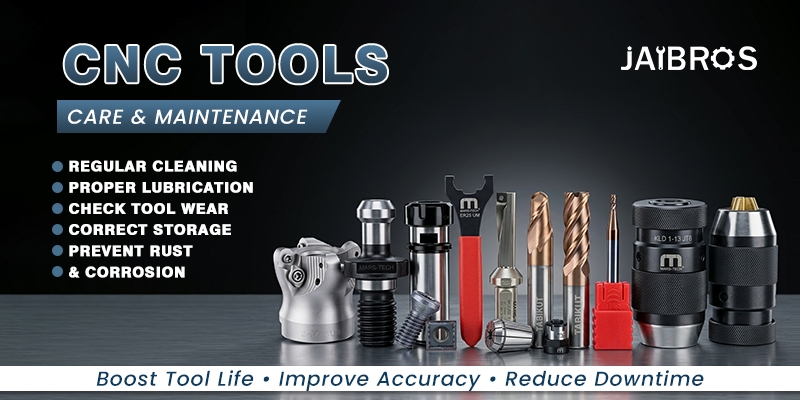
Why Cutting Tools Matter in Modern Manufacturing
Cutting tools remove material from a workpiece to create the required shape, dimensions, and surface finish. They are widely used in milling, turning, drilling, threading, and other machining operations.
The quality and suitability of a cutting tool directly influence machining performance. An unsuitable tool may produce rough surfaces, inconsistent dimensions, excessive heat, or premature wear. Selecting the right tool for each operation helps manufacturers maintain consistent results and reduce the need for repeated machining.
For businesses working with demanding production requirements, investing in suitable CNC cutting tools can support better workflow efficiency and reliable component quality.
How the Right Tools Improve Manufacturing Accuracy
1. Maintain Dimensional Precision
Manufactured components often need to meet specific measurements and tolerances. Even small dimensional variations can affect assembly and component performance.
Using appropriate cutting geometry, accurate tool offsets, and stable machining conditions helps maintain the required dimensions. Regular inspection and proper machine calibration also support consistent machining results.
Precision cutting tools are particularly useful when manufacturing components that require close tolerances and repeatable measurements.
2. Improve Surface Finish
Surface finish is an important quality factor in CNC machining. Tool sharpness, cutting speed, feed rate, workpiece material, and machine stability all influence the final surface.
A suitable cutting tool can help reduce unwanted tool marks and produce smoother surfaces when used with appropriate machining parameters. Manufacturers should select tool geometries and cutting conditions according to the material and the finish requirements of the component.
3. Reduce Machining Errors
Incorrect tool selection, worn cutting edges, improper positioning, and unsuitable feed rates can cause machining defects.
To reduce these problems, operators should verify tool specifications, inspect cutting edges, check tool offsets, and confirm machining programs before production. These practices help improve consistency and reduce avoidable rework.
Ways to Elevate Tools Performance in CNC Machining
Improving machining performance requires more than selecting a high-quality tool. The complete machining setup must be suitable for the workpiece and production requirements.
Choose the Correct Tool Material
Different cutting tool materials perform differently depending on the workpiece and cutting conditions.
Carbide tools are commonly used in CNC machining because of their hardness and wear resistance. High-speed steel tools may also be suitable for particular applications. The correct choice depends on material hardness, machining speed, required finish, and overall operating conditions.
Optimize Cutting Parameters
Cutting speed, feed rate, and depth of cut influence productivity, tool wear, and surface quality.
Excessively aggressive settings can increase heat and cutting forces, while overly conservative settings may reduce production efficiency. Following the tool manufacturer's recommendations and adjusting parameters for the specific application can help achieve a suitable balance.
Use the Right Tool Geometry
Tool geometry affects chip formation, cutting forces, and material removal. For example, end mills are used for milling operations, drills create holes, and chamfering tools produce angled edges.
Choosing the correct geometry for the machining task helps improve process stability and produce the intended component features.
Maintain Proper Tool Condition
Worn or damaged cutting edges can reduce accuracy and affect surface quality. Regular tool inspection helps identify wear, chipping, or other damage before it causes significant production issues.
Replacing worn tools at the appropriate time can reduce unexpected interruptions and support consistent machining quality.
How Better Tool Selection Improves Productivity
Manufacturing productivity depends on producing quality components efficiently while minimizing downtime and waste.
Suitable industrial cutting tools can help improve productivity in several ways:
Reduced rework: Appropriate tooling helps achieve specified dimensions and surface quality.
Consistent production: Correct tool selection and stable machining conditions support repeatable results.
Improved tool life: Suitable cutting parameters and proper maintenance can help control premature wear.
Efficient material removal: The right tool geometry can improve material removal under appropriate operating conditions.
Lower production interruptions: Monitoring tool condition helps reduce unexpected tool-related downtime.
These benefits depend on the workpiece material, machine capability, tooling design, and production environment. No single tool is suitable for every machining application.
Selecting CNC Machining Tools for Different Applications
Different machining operations require different tools. Understanding the purpose of each tool helps manufacturers select the right equipment for their production needs.
End mills: Used for milling slots, profiles, pockets, and other component features.
Carbide drills: Suitable for creating holes in a range of materials, depending on tool design and cutting conditions.
Turning inserts: Used in turning operations to remove material from rotating workpieces.
Grooving tools: Designed to create grooves and specific profiles on components.
Chamfering tools: Used to create angled edges, remove sharp corners, and prepare components for assembly.
When selecting tools, manufacturers should consider workpiece material, required dimensions, machining operation, tool compatibility, and expected production volume. Reviewing these factors helps identify a suitable solution for each application.
Best Practices for Long-Term Tool Performance
Manufacturers can improve tooling efficiency by following a consistent machining and maintenance process.
First, confirm that the tool matches the workpiece material and the intended operation. Next, follow recommended cutting parameters and ensure the workpiece is securely clamped. Monitor tool wear, inspect finished components, and document recurring machining problems.
It is also useful to review production results regularly. Tracking tool life, rejected components, machining time, and downtime can help identify opportunities for improvement.
These practices support informed tooling decisions and help manufacturers maintain dependable production standards.
Conclusion
The right cutting tools play an important role in improving manufacturing accuracy, machining efficiency, and component quality. By selecting suitable tool materials and geometries, optimizing cutting parameters, and maintaining tools properly, manufacturers can improve production consistency and reduce avoidable rework.
Businesses looking to elevate tools performance should evaluate their complete machining process rather than focusing on tool selection alone. A combination of suitable tooling, stable machining conditions, and regular inspection provides a practical foundation for reliable CNC manufacturing.