Fuel efficiency is an important consideration for vehicle owners who want to manage transportation expenses and maintain reliable vehicle performance. Whether a car is used for daily commuting, family travel, business activities, or long-distance journeys, fuel consumption directly affects its running costs. As fuel expenses continue to influence household and business budgets, many drivers explore products that claim to improve mileage and make driving more economical.
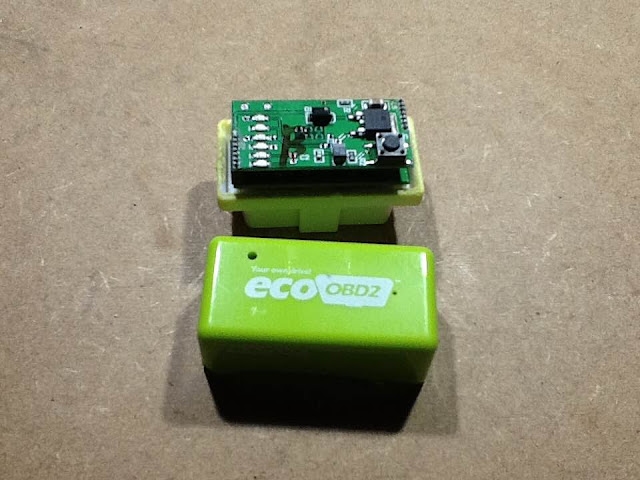
Eco Fuel is an automotive accessory marketed toward drivers interested in fuel conservation and vehicle efficiency. The product is generally associated with a compact design that connects to a vehicle's On-Board Diagnostics II (OBD2) port. This connection makes it appealing to people who prefer accessories that do not require complicated installation or extensive mechanical modifications.
However, understanding how an OBD2 device works is essential before purchasing one. While modern vehicles rely on electronic systems to regulate engine operation, not every device connected to the diagnostic port can change engine performance or reduce fuel consumption. Therefore, evaluating the product's actual capabilities, potential advantages, and limitations helps consumers make informed decisions.
🛒 BUY YOUR ECO OBD2 FUEL SAVER TODAY!
What Is Eco OBD2 Fuel Saver?
Eco OBD2 Fuel Saver is a name associated with automotive devices marketed as potential aids for improving fuel economy. These products generally use the OBD2 diagnostic interface available in many modern vehicles.
The OBD2 system was developed to support vehicle diagnostics and emissions-related monitoring. It enables compatible equipment to communicate with certain electronic vehicle systems, retrieve diagnostic trouble codes, and access supported operating information.
Depending on the vehicle and connected equipment, diagnostic information may include engine speed, coolant temperature, vehicle speed, and selected sensor readings. Mechanics can use this information to investigate engine problems and identify conditions that may affect vehicle performance.
Fuel-saving devices connected to this interface are often advertised as convenient alternatives to complicated engine modifications. Nevertheless, their functions vary according to their hardware, software, and compatibility.
A device's connection to the OBD2 port does not automatically establish that it can optimize the engine control unit, improve combustion, or reduce fuel consumption. Buyers should distinguish between advertised benefits and results supported by credible testing.
Understanding the Technology Behind Eco OBD2 Fuel Saver
To understand the intended purpose of Eco OBD2 Fuel Saver, it helps to examine the electronic systems that control modern vehicles.
Most modern cars use an electronic control unit, commonly called the ECU, to manage various engine functions. These can include fuel injection, ignition timing, and adjustments based on information received from sensors.
The ECU processes information about engine operation and uses programmed strategies to maintain appropriate performance, fuel delivery, and emissions control. Depending on the vehicle, additional control modules may manage transmission behavior, battery systems, and other components.
The OBD2 interface allows compatible diagnostic equipment to communicate with supported vehicle systems. Some equipment can retrieve information, while more advanced tools may perform particular diagnostic procedures or authorized programming functions.
However, the capabilities of any connected accessory depend on its design. A basic electronic device may have limited functionality, and its physical connection alone does not mean it can alter the ECU's operating strategy.
For this reason, consumers should look for a clear technical explanation of how Eco OBD2 Fuel Saver is intended to operate before expecting measurable fuel savings.
How Does Eco OBD2 Fuel Saver Work?
Eco OBD2 Fuel Saver is marketed around the idea of supporting economical vehicle operation through the onboard diagnostic interface. Its actual working mechanism depends on the specific model and the functions it genuinely supports.
A compatible OBD2 device may communicate with selected vehicle systems. Depending on its design, it might retrieve diagnostic information or provide other supported electronic functions.
If a product claims to improve fuel efficiency by changing engine parameters, it should explain which parameters it changes, which vehicles support those changes, and how the changes improve efficiency without compromising reliability or emissions compliance.
Simply inserting an electronic accessory into the OBD2 port does not necessarily modify engine settings. The ECU continues to operate according to its programming unless a supported function or authorized procedure actually changes its behavior.
This distinction is important because fuel economy depends on the vehicle's mechanical condition, electronic control strategy, operating environment, and driving habits.
Consumers should therefore evaluate the device through its technical documentation and independently measured performance rather than assuming that installation alone produces a fuel-saving effect.
Main Features of Eco OBD2 Fuel Saver
1. Compact and Practical Design
Eco Fuel Review accessories are often designed with a small form factor. This can make them convenient for drivers who prefer equipment that does not require extensive space or permanent modifications.
A compact device may fit near the diagnostic socket, although the available space varies by vehicle. Users should make sure the accessory does not interfere with the pedals, driver's legs, or other controls.
2. OBD2 Port Connectivity
The product category uses the vehicle's diagnostic interface rather than requiring direct installation into engine components.
This can simplify the physical connection process. However, compatibility depends on the vehicle's diagnostic system and the functions supported by the device.
3. Convenient Installation
Plug-in accessories are often marketed as suitable for drivers who prefer straightforward installation. Some may require little more than locating the diagnostic port and following the supplied instructions.
Nevertheless, a simple installation process does not guarantee that the product provides meaningful performance improvements.
4. Focus on Fuel Efficiency
The primary appeal of Eco OBD2 Fuel Saver is its association with reducing fuel expenses. The idea of improving mileage without replacing major engine components can be attractive to drivers who want to control everyday transportation costs.
Actual fuel savings, however, must be demonstrated rather than assumed.
5. Potential Access to Vehicle Information
Depending on the specific product, OBD2 compatibility may allow access to certain vehicle parameters or diagnostic information.
Useful diagnostic information can help identify faults that affect fuel consumption. Buyers should confirm whether the particular device offers these functions rather than assuming every product has the same capabilities.
Potential Benefits of Eco OBD2 Fuel Saver
The potential benefits of Eco OBD2 Fuel Saver depend on its engineering, compatibility, and verified performance.
Convenience for vehicle owners: A plug-in design may be easier to connect than accessories that require mechanical installation or extensive wiring changes.
Compact construction: Its small size may be practical for drivers who want to avoid bulky equipment.
Interest in vehicle efficiency: Exploring fuel-saving products can encourage drivers to pay closer attention to fuel consumption, maintenance, and driving behavior.
Potential diagnostic support: If the device provides genuine diagnostic functions, it may help users access selected information about vehicle operation.
Opportunity for performance evaluation: Drivers can compare fuel consumption before and after using the product to determine whether any improvement occurs under comparable conditions.
These points describe possible advantages rather than guaranteed outcomes. A device should not be considered effective solely because it is advertised as a fuel saver.
Can Eco OBD2 Fuel Saver Actually Improve Mileage?
Fuel economy is influenced by several interacting factors. These include engine design, vehicle weight, tire pressure, maintenance quality, traffic conditions, road surface, driving speed, and acceleration patterns.
For example, frequent hard acceleration can increase fuel consumption. Repeated braking also wastes energy that was used to accelerate the vehicle. Smooth driving and anticipating traffic conditions can help drivers avoid unnecessary energy losses.
Vehicle maintenance is equally important. Incorrect tire pressure, unsuitable engine oil, faulty sensors, worn ignition components, and certain engine problems can negatively affect fuel economy.
Modern vehicles already use electronic control systems designed to manage fuel delivery and emissions. An aftermarket device must offer a genuine technical improvement to provide additional benefits beyond the vehicle's existing systems.
Consequently, a generic OBD2 accessory should not be expected to deliver significant savings simply because it is connected to the diagnostic port.
Before buying Eco OBD2 Fuel Saver, consumers should seek transparent technical specifications, clear compatibility information, independent testing, and evidence showing how any claimed improvement was measured.
Important Factors to Consider Before Purchasing
Selecting an automotive accessory requires careful research and realistic expectations.
Vehicle Compatibility
Confirm that the product supports the vehicle's model year, engine type, and electronic system. Compatibility may differ between petrol, diesel, hybrid, and other vehicles.
Technical Specifications
Look for an explanation of the product's actual functions. Statements about optimizing engine performance are less useful than specific information describing supported operations.
Independent Performance Testing
Reliable fuel-efficiency testing should compare the same vehicle under similar conditions. Factors such as traffic, weather, route, driving style, and fuel quality can affect results.
A single journey is rarely enough to establish whether a device improves mileage.
Electrical Safety
An electronic accessory should be appropriately designed for automotive electrical systems. Poorly designed equipment may create compatibility problems or interfere with normal vehicle operation.
Warranty and Return Policy
Before purchasing, review the seller's warranty, return conditions, and customer support arrangements. These details become particularly important when a product's effectiveness is uncertain.
Realistic Expectations
Be cautious of guaranteed fuel savings, dramatic mileage improvements, or claims that the device works universally across all vehicles without credible supporting evidence.
How to Measure Fuel Savings Accurately
Drivers interested in evaluating Eco OBD2 Fuel Saver can use a simple measurement process.
First, record the vehicle's fuel consumption over several normal journeys before installing the device. Keep a note of the distance traveled and the amount of fuel used.
Second, if the product is compatible and safe to use, follow the manufacturer's installation instructions.
Third, repeat the measurements over comparable routes and driving conditions. Try to maintain similar speeds, passenger loads, tire pressures, and driving habits.
Finally, compare the results across multiple fuel purchases rather than relying on a single trip.
For example, if a vehicle consistently travels farther on the same amount of fuel under comparable conditions, that may indicate an improvement. However, changes in traffic, weather, and driving style must also be considered.
A more controlled independent test provides stronger evidence than informal observations. If no consistent improvement occurs, there may be little practical reason to continue using the accessory.
Practical Ways to Improve Vehicle Fuel Efficiency
Regardless of whether a driver purchases an OBD2 accessory, several established practices can help control fuel expenses.
Maintain Correct Tire Pressure
Underinflated tires increase rolling resistance and may reduce fuel economy. Check tire pressure regularly and follow the vehicle manufacturer's recommendations.
Adopt Smooth Driving Habits
Gradual acceleration, appropriate speeds, and anticipating traffic can reduce unnecessary fuel use. Avoid aggressive acceleration and sudden braking whenever road conditions allow.
Follow the Maintenance Schedule
Regular servicing helps keep the engine and associated systems operating as intended. Use the recommended engine oil and replace components according to the manufacturer's guidance.
Reduce Unnecessary Weight
Extra cargo increases the energy required to move a vehicle. Remove items that are not needed for the journey.
Avoid Excessive Idling
Leaving an engine running unnecessarily consumes fuel. Where safe and appropriate, switch off the engine during extended stops, following the vehicle manufacturer's guidance.
Investigate Unusual Fuel Consumption
If mileage drops suddenly, a professional inspection may identify issues involving tire pressure, sensors, ignition components, fuel delivery, or other vehicle systems.
Correcting an underlying problem may provide more meaningful benefits than adding an unverified electronic accessory.
Environmental Considerations
Fuel efficiency is relevant not only to personal budgets but also to environmental responsibility. Burning less fuel for the same distance generally reduces the amount of carbon dioxide released by a vehicle.
Other emissions, including pollutants associated with incomplete combustion and engine operation, depend on additional factors such as engine condition and emissions-control systems.
However, environmental benefits from Eco OBD2 Fuel Saver should not be assumed without evidence that the product genuinely reduces fuel consumption or emissions. Any modification that interferes with emissions controls could create regulatory or environmental problems.
Maintaining the vehicle properly and following efficient driving practices are sensible ways to support responsible vehicle use.
Conclusion
Eco OBD2 Fuel Saver is marketed as a convenient automotive accessory for drivers interested in economical driving and potentially lower fuel expenses. Its compact design and connection through the OBD2 interface may appeal to people seeking an option that does not involve major mechanical modifications.
Nevertheless, the presence of an OBD2 connection does not prove that a device can improve engine calibration, reduce emissions, or deliver measurable fuel savings. Its actual value depends on its technical design, supported functions, vehicle compatibility, and independently demonstrated performance.
Consumers should examine the product's specifications carefully, avoid unsupported promises, and measure real-world fuel consumption before deciding whether it offers practical value.
Combining responsible driving, regular maintenance, correct tire pressure, and careful monitoring of fuel usage provides a dependable foundation for managing vehicle running costs.
Ultimately, the best purchasing decision is one based on verified performance, safety, and realistic expectations rather than promotional claims alone.







