Chewing is a natural behavior for dogs. From playful puppies to strong adult chewers, many dogs enjoy having something suitable to gnaw on throughout the day. Dog chews come in different materials, shapes, and textures, giving pet owners plenty of options to consider. Understanding the ingredients and preparation methods can help you select a product that matches your dog's chewing habits.
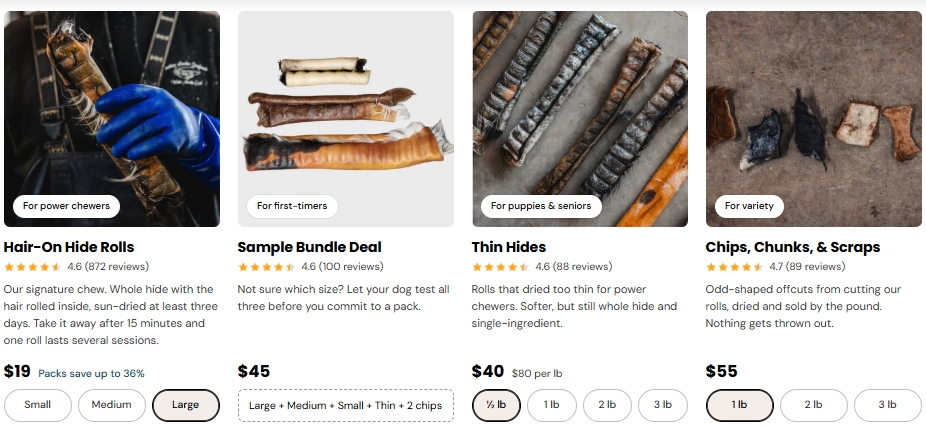
When comparing dog chew hide products, it is useful to understand what they are made from and how they are processed. Hide-based chews are commonly produced from animal skin, particularly cattle hide, which is cleaned, prepared, and shaped into rolls, chips, sticks, or other forms. Their firmness and chewing characteristics vary depending on the manufacturing process, thickness, and product design.
What Is a Dog Chew Hide?
A dog chew hide is a chewing product made from processed animal skin. Beefhide is one common material used in these products. Manufacturers prepare the hide and shape it into different forms that dogs can hold and chew.
Unlike meat-based treats, hide chews are primarily made from skin rather than muscle meat. Some products contain additional ingredients or flavorings, while others have a simpler composition. Checking the label helps you understand exactly what your dog is receiving.
Different Types of Hide Chews for Dogs
Hide-based chews are available in several styles to accommodate different chewing preferences.
1. Beefhide Rolls
Beefhide rolls are made by shaping cattle hide into a rolled form. They are available in different sizes and thicknesses. Their chewing duration depends on the product and the dog's chewing strength.
2. Hair-On Hide Chews
These products retain the natural hair on the hide. They offer a different appearance and texture compared with conventional smooth hide chews. Always check the product description and feeding guidance before serving them.
3. Hide Chips and Chunks
Chips and chunks are smaller pieces of cattle hide. They can provide a different chewing experience from full rolls, but their size must be appropriate for the dog. Small pieces may create a choking risk if swallowed whole.
4. Thin Hide Chews
Thin hides are made from thinner sections of cattle hide. Their firmness and suitability depend on the thickness, size, and individual product. They may not be appropriate for dogs that bite off and swallow large pieces.
Potential Benefits of Hide Chews
An Engaging Chewing Activity
Chewing is a normal canine behavior. An appropriately selected hide chew can provide an activity that keeps some dogs occupied during supervised sessions. The time spent chewing varies according to the dog's habits and the product's construction.
Different Sizes and Textures
Hide chews are available in multiple shapes, thicknesses, and sizes. This variety allows owners to compare options based on their dog's size and chewing style.
Simple Ingredient Options
Some hide products are made with a single primary ingredient, such as beefhide. Pet owners who prefer straightforward recipes can check the ingredient list to confirm what is included and whether any additional substances are present.
Is Beefhide the Same as Rawhide?
Beefhide and rawhide are closely related terms. Rawhide generally refers to processed animal hide used to make dog chews, while beefhide specifically identifies cattle hide.
This means beefhide can be considered a type of rawhide, depending on the terminology and preparation process. However, not every rawhide chew necessarily comes from cattle. The source material and manufacturing methods can vary between products.
When comparing chews, look for clear information about the animal source, ingredients, and processing methods rather than relying only on the product name.
Are Hide Chews Safe for Dogs?
Hide chews are not suitable for every dog, and natural ingredients do not eliminate chewing risks. Dogs may swallow large pieces, choke on small remnants, experience digestive obstruction, or damage their teeth on excessively hard products.
Follow these precautions:
Choose the right size: Select a chew suitable for your dog's body size and chewing habits.
Supervise every session: Stay nearby while your dog chews.
Remove small pieces: Take away the chew when it becomes small enough to swallow whole.
Inspect regularly: Discard damaged products or pieces with sharp edges.
Introduce gradually: Monitor your dog's response when trying a new chew.
Provide fresh water: Keep clean drinking water available.
Puppies, senior dogs, and aggressive chewers may need special consideration. Consult your veterinarian if your dog has dental problems, digestive concerns, or a habit of swallowing chews in large pieces.
How to Select the Right Hide Chew
Before purchasing a hide chew, consider your dog's age, weight, chewing strength, and dietary requirements. A product that works for one dog may not suit another.
Read the ingredient list and manufacturer's instructions carefully. Avoid excessively hard chews, particularly if your dog has sensitive teeth. Select a size that cannot be swallowed whole and remove the product once it becomes too small or damaged.
If your dog has food allergies or a medical condition, ask your veterinarian whether beefhide products are appropriate.
Natural Beefhide Products from Ugly Chews
For pet owners comparing natural hide-based chews, Ugly Chews offers a range of minimally processed beefhide products. The brand sources cattle hides from ranches in Wyoming, Utah, and Idaho, cleans them with water, and dries them in direct sunlight without chemical treatments or artificial preservatives.
Its product collection includes Hair-On Hide Rolls, Thin Hides, and Chips, Chunks & Scraps. These products offer different hide shapes and sizes for dogs with varying chewing preferences.
Ugly Chews also follows a zero-waste approach by making use of hide portions that might otherwise be overlooked. This approach focuses on putting available cattle-hide materials to practical use while keeping product ingredients simple.
Pet owners should review individual product details to identify the most suitable option for their dogs. Always follow the recommended size guidance and supervise chewing sessions.
How Should Hide Chews Be Stored?
Store hide chews according to the manufacturer's instructions. Keep them in a clean, dry place away from moisture and contamination. Inspect each product before use and discard it if it develops mold, an unusual smell, or visible deterioration.
Keep unused chews out of your dog's reach so they are only available during supervised sessions.
Final Thoughts
Dog hide chews offer a different chewing experience from ordinary meat-based treats. They are available in various forms, including rolls, thin hides, chips, and hair-on products. Their suitability depends on the material, processing, size, and your dog's individual chewing habits.
For pet owners interested in natural beefhide options, Ugly Chews offers several products made with a focus on simple ingredients and minimal processing. Review the product information, select an appropriate size, and supervise your dog throughout every chewing session.