
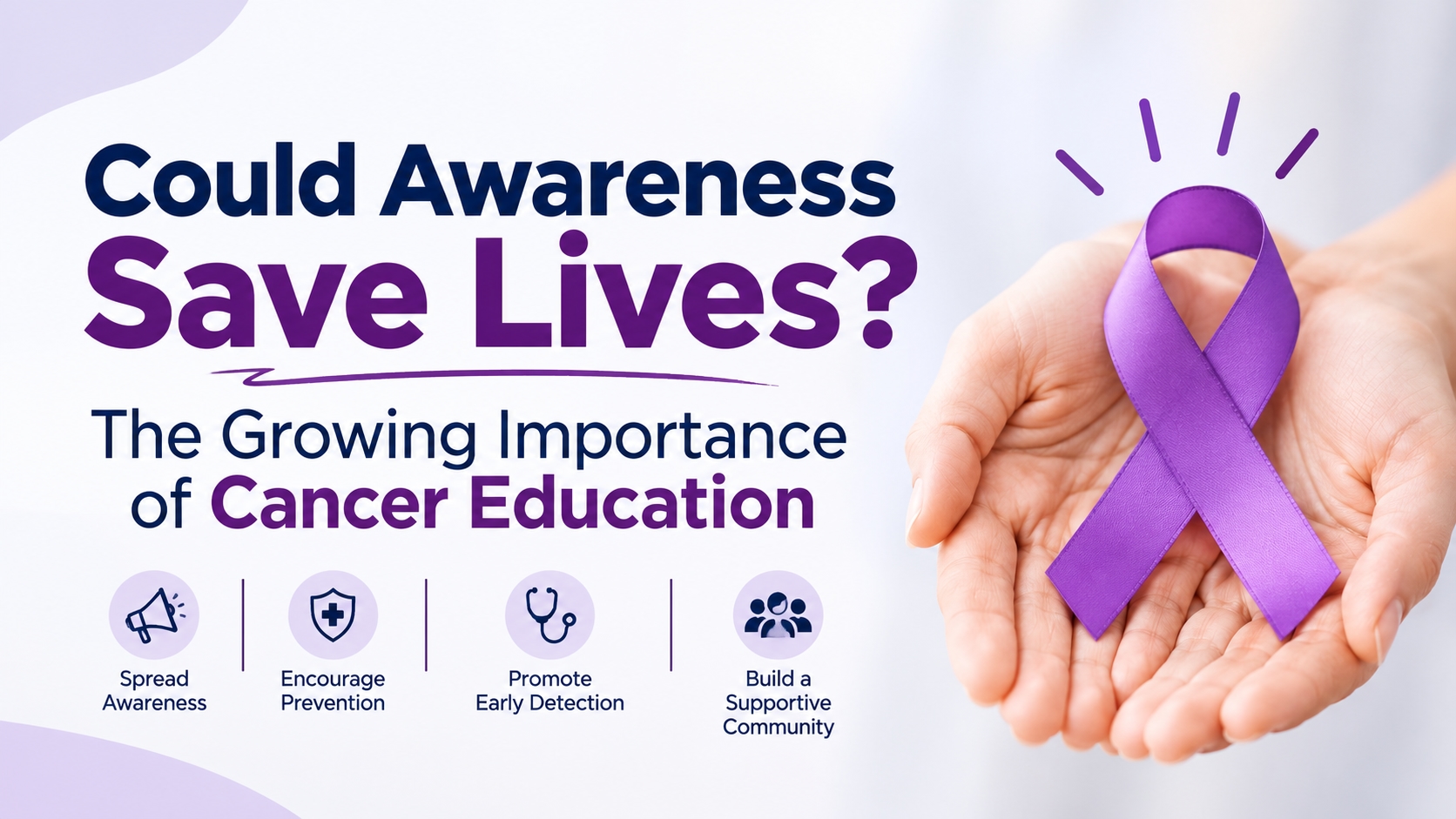
Cancer is a major health challenge, but a lack of awareness can make its impact even greater. Many people are unfamiliar with common cancer symptoms, do not understand available screening options, or delay seeking medical advice because of fear and misconceptions. In some communities, conversations about cancer are still influenced by stigma, misinformation, and limited access to reliable health information.
This raises an important question: Could awareness save lives?
While awareness alone cannot prevent every cancer or guarantee successful treatment, it can encourage people to recognise warning signs, understand risk factors, seek medical guidance, and consider appropriate screening. Education gives individuals the knowledge to make informed decisions about their health. When that knowledge reaches families and communities, its impact can extend far beyond one person.
Why Cancer Education Matters
Cancer education helps people understand the disease beyond common myths and assumptions. It explains how cancer develops, what factors may increase risk, why early diagnosis matters, and which healthcare services may be available.
Without reliable information, people may ignore symptoms, rely on unverified remedies, or believe that cancer is always incurable. Such misconceptions can create unnecessary fear and delay important medical consultations.
Cancer education can make a difference in several ways:
Improved understanding: People become more familiar with different types of cancer, their risk factors, and possible warning signs.
Informed health decisions: Individuals can discuss prevention, screening, and symptoms with qualified healthcare professionals.
Reduced stigma: Open conversations help replace fear and misinformation with understanding and empathy.
Greater community participation: Families, schools, workplaces, and local organisations can encourage healthier choices and awareness activities.
Education does not replace medical care, but it can help people recognise when professional advice is needed.
The Connection Between Awareness and Early Detection
One of the most important benefits of cancer awareness is its role in encouraging timely medical attention.
Some cancers may cause noticeable symptoms, while others can develop without obvious warning signs in their early stages. People who understand the importance of recognising changes in their bodies may be more likely to seek medical advice rather than dismiss persistent or unusual symptoms.
Depending on the type of cancer, symptoms that deserve medical evaluation may include:
Unexplained weight loss.
A new lump or swelling.
Persistent changes in bowel or bladder habits.
Unusual bleeding or discharge.
A cough or hoarseness that does not improve.
Changes in the appearance of a mole or skin lesion.
Difficulty swallowing or persistent discomfort.
These symptoms do not necessarily indicate cancer. Many can have non-cancerous causes. However, persistent, unusual, or unexplained changes should be discussed with a healthcare professional.
Awareness also helps people understand that screening can sometimes detect cancer or precancerous changes before symptoms appear. Screening recommendations depend on factors such as age, sex, medical history, family history, and individual risk. People should consult healthcare professionals about which tests are appropriate for them.
Cancer Prevention Begins With Knowledge
Cancer prevention is another important part of health education. Although not all cancers can be prevented, certain lifestyle choices and preventive measures can help reduce the risk of some types of cancer.
Public awareness programmes can help people understand the importance of:
Avoiding tobacco: Tobacco use is a major preventable cause of several cancers. Avoiding tobacco and seeking support to quit can improve long-term health.
Maintaining a healthy lifestyle: Regular physical activity, a balanced diet, and maintaining a healthy weight can contribute to overall well-being and may reduce the risk of certain cancers.
Getting recommended vaccinations: HPV and hepatitis B vaccinations can help prevent infections associated with certain cancers.
Protecting the skin: Limiting excessive exposure to ultraviolet radiation and using suitable sun protection can help reduce the risk of skin damage and some skin cancers.
Understanding personal risk: Family history and certain inherited conditions may influence cancer risk. People with relevant concerns can discuss appropriate risk assessment with a healthcare professional.
Cancer education makes these preventive measures easier to understand and encourages people to take practical steps towards better health.
Breaking Myths and Reducing the Fear of Cancer
Fear and misinformation remain significant barriers to cancer awareness. Some people believe that cancer always leads to death, that it cannot be treated successfully, or that discussing the disease somehow invites misfortune. Others may avoid medical consultations because they are afraid of receiving a diagnosis.
These beliefs can prevent individuals from accessing timely healthcare.
Education helps challenge such misconceptions by explaining that cancer is not a single disease. Different cancers have different characteristics, treatment options, and outcomes. Advances in diagnosis and treatment have improved the outlook for many patients, although results vary depending on the cancer type, stage, and other individual factors.
Open conversations can also reduce the emotional burden associated with a diagnosis. When families and communities understand cancer better, patients may feel less isolated and more comfortable seeking support.
Replacing silence with accurate information is an important step towards creating a more compassionate environment for people affected by cancer.
The Role of Families and Communities in Cancer Awareness
Cancer awareness should not be limited to hospitals or medical professionals. Families, educational institutions, workplaces, and community groups all have a role to play in spreading reliable health information.
A simple conversation about screening, a community health session, or sharing information from a credible medical source can encourage someone to seek advice they may have been postponing.
Communities can support cancer education through initiatives such as:
Organising awareness sessions in schools, colleges, and workplaces.
Conducting community health talks with qualified medical professionals.
Sharing information about available screening services.
Encouraging people to discuss persistent symptoms with doctors.
Providing emotional support to patients and caregivers.
Making educational resources accessible in local languages.
These activities are especially valuable in areas where access to health information and medical services may be limited.
Why Rural and Underserved Communities Need Greater Awareness
People living in rural and underserved communities may face additional barriers to cancer education. Limited healthcare facilities, financial constraints, transportation difficulties, and a shortage of reliable information can make it harder to access preventive services and medical consultations.
In some areas, cancer symptoms may be misunderstood or attributed to less serious conditions. Social stigma and fear can further discourage people from seeking help.
Community-based awareness programmes can help bridge these gaps by bringing health information closer to the people who need it.
Local health workers, volunteers, non-profit organisations, and medical institutions can work together to organise educational sessions, guide individuals towards appropriate healthcare services, and explain the importance of early evaluation.
Such efforts should also focus on making information understandable and culturally relevant. Awareness becomes more meaningful when people can relate it to their everyday lives and know where to seek help.
How Healthcare Organisations Can Strengthen Cancer Education
Healthcare organisations play an important role in making accurate cancer information accessible. Their work can extend beyond diagnosis and treatment to include prevention education, community outreach, screening awareness, and patient support.
Effective awareness initiatives may include:
Educational campaigns: Sharing clear information about cancer risks, symptoms, prevention, and screening.
Community outreach: Reaching people through local events, awareness drives, and health education programmes.
Screening initiatives: Helping eligible individuals understand and access appropriate screening services.
Patient support: Connecting patients and families with relevant guidance and support resources.
Collaboration: Working with healthcare professionals, community leaders, and non-profit organisations to expand awareness.
Organisations such as HCG Foundation contribute to cancer awareness and patient support through community-focused efforts. To understand more about these initiatives, learn more about the Foundation's work.
When healthcare institutions and communities work together, cancer education can reach more people and encourage meaningful action.
Making Cancer Awareness a Continuous Effort
Cancer awareness should not be restricted to a particular month or a single campaign. While awareness days and annual initiatives help bring attention to the issue, education needs to remain an ongoing part of public health efforts.
Regular awareness activities can help reinforce important messages, address new misconceptions, and encourage people to stay informed about available healthcare services.
Digital platforms also provide opportunities to reach wider audiences. Educational videos, articles, webinars, and social media campaigns can make information easier to access. However, it is equally important to ensure that the information shared online comes from credible healthcare sources.
Schools, workplaces, community organisations, and healthcare providers can make cancer education a continuing priority rather than an occasional activity.
Conclusion
Could awareness save lives? It can certainly help create the conditions for better health decisions and timely medical care.
Cancer education encourages people to understand risk factors, recognise possible warning signs, explore appropriate screening options, and seek professional guidance when needed. It also challenges stigma, reduces misinformation, and helps communities become more supportive of people affected by cancer.
Awareness is not a substitute for medical treatment, nor can it eliminate every cancer risk. However, knowledge can encourage action, and informed action can make a meaningful difference.
Building a more informed society begins with simple steps: sharing accurate information, encouraging open conversations, supporting community programmes, and making healthcare guidance accessible to everyone. The more people understand cancer, the better equipped they are to make informed decisions for themselves and their families.