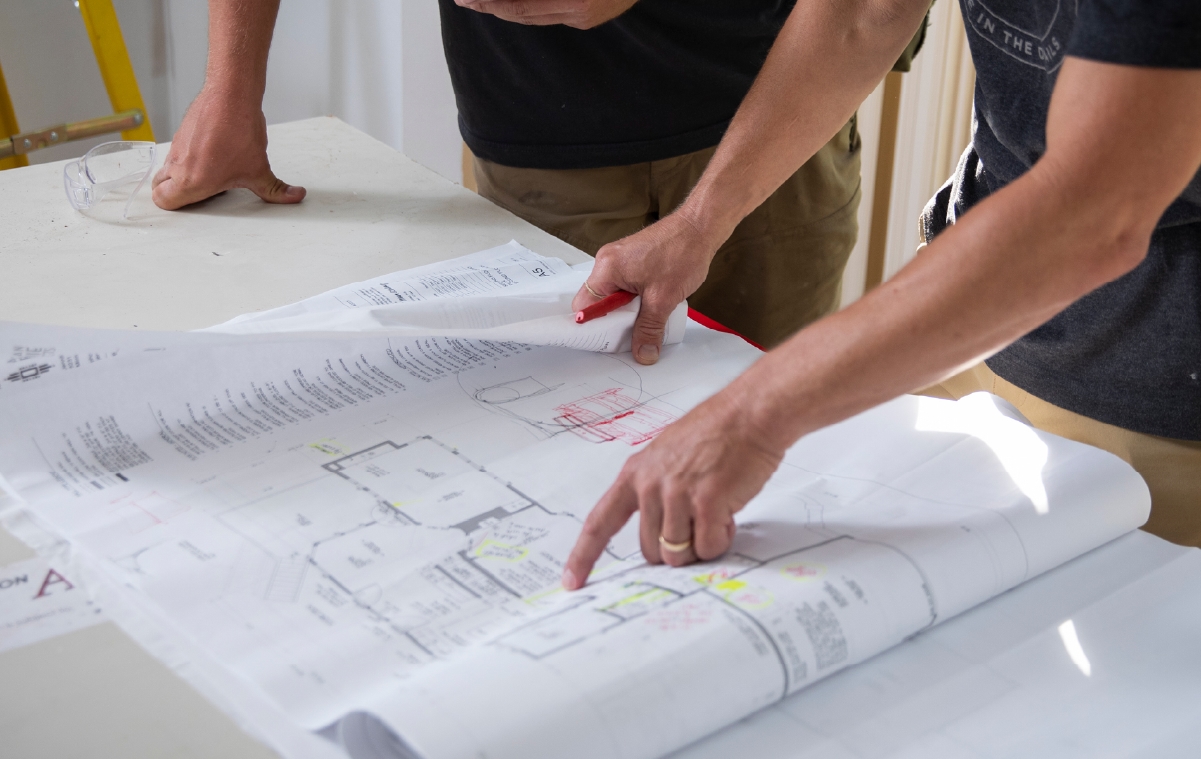
Successful construction projects begin with a well-organized plan. Whether developing residential properties, commercial buildings, industrial facilities, or large infrastructure projects, proper planning helps ensure that every activity is completed efficiently. Construction project planning involves defining objectives, preparing budgets, organizing resources, developing schedules, and identifying potential risks before construction work begins.
What Is Construction Project Planning?
Construction project planning is the process of organizing and coordinating all activities required to complete a construction project. It establishes a clear framework for managing time, costs, materials, labour, equipment, and project responsibilities.
Construction managers work with architects, engineers, contractors, suppliers, and property owners to develop plans that meet project requirements and establish realistic completion targets.
Important Stages of Construction Project Planning
1. Defining Project Scope and Objectives
The first step is identifying the project's purpose, design requirements, expected outcomes, budget, and completion goals. A clearly defined project scope helps prevent confusion and unnecessary changes during construction.
2. Budget Preparation and Cost Estimation
Developing an accurate budget is essential for managing construction expenses. Planning should include material costs, labour, equipment, transportation, permits, professional services, and contingency funds.
3. Creating a Construction Schedule
A detailed construction schedule outlines activities, deadlines, milestones, and task dependencies. Proper scheduling helps teams coordinate their work and maintain steady project progress.
4. Resource and Procurement Planning
Construction projects require reliable suppliers, quality materials, skilled workers, and appropriate equipment. Planning procurement activities in advance helps prevent shortages and unnecessary delays.
5. Risk Assessment and Management
Potential risks such as weather conditions, material price changes, equipment failures, and labour shortages should be identified early. Developing contingency strategies helps minimize disruptions and unexpected expenses.
6. Quality and Safety Planning
Establishing quality standards, inspection procedures, and workplace safety requirements helps ensure that construction activities meet project specifications and applicable regulations.
Benefits of Effective Construction Project Planning
A structured planning process provides several advantages for construction companies, developers, and property owners.
Better Budget Management: Accurate estimates help control expenses and reduce financial uncertainty.
Improved Time Management: Detailed schedules help construction teams meet important deadlines.
Efficient Resource Allocation: Proper planning ensures materials, labour, and equipment are available when needed.
Reduced Project Risks: Early identification of challenges supports effective problem-solving.
Consistent Construction Quality: Defined standards and inspections help maintain project requirements.
Stronger Team Coordination: Clear responsibilities improve communication between project stakeholders.
The Role of Construction Management Professionals
Construction management professionals help transform project plans into organized construction activities. They coordinate contractors, monitor budgets, manage procurement, review schedules, and track project progress.
Their expertise helps maintain communication between different teams while ensuring that construction work remains aligned with approved designs, timelines, and quality expectations.
Technology in Modern Construction Project Planning
Digital technology has made construction planning more organized and efficient. Building Information Modelling (BIM), project scheduling software, digital cost estimation tools, and construction management platforms help teams coordinate activities and monitor progress.
These solutions improve collaboration, provide accurate project information, and help managers identify potential delays or budget concerns before they become major problems.
Conclusion
Construction project planning is a fundamental part of successful project delivery. From defining objectives and preparing budgets to managing procurement, scheduling activities, and assessing risks, every stage contributes to efficient construction operations. With professional guidance, proper coordination, and modern planning tools, construction teams can control costs, maintain quality, reduce delays, and achieve their project goals.