
The Democratic Republic of the Congo (DR Congo) is a fascinating country in Central Africa, known for its tropical rainforests, the Congo River, diverse wildlife and rich cultural traditions. However, planning a trip requires careful research because transport, entry requirements and safety conditions vary across the country.
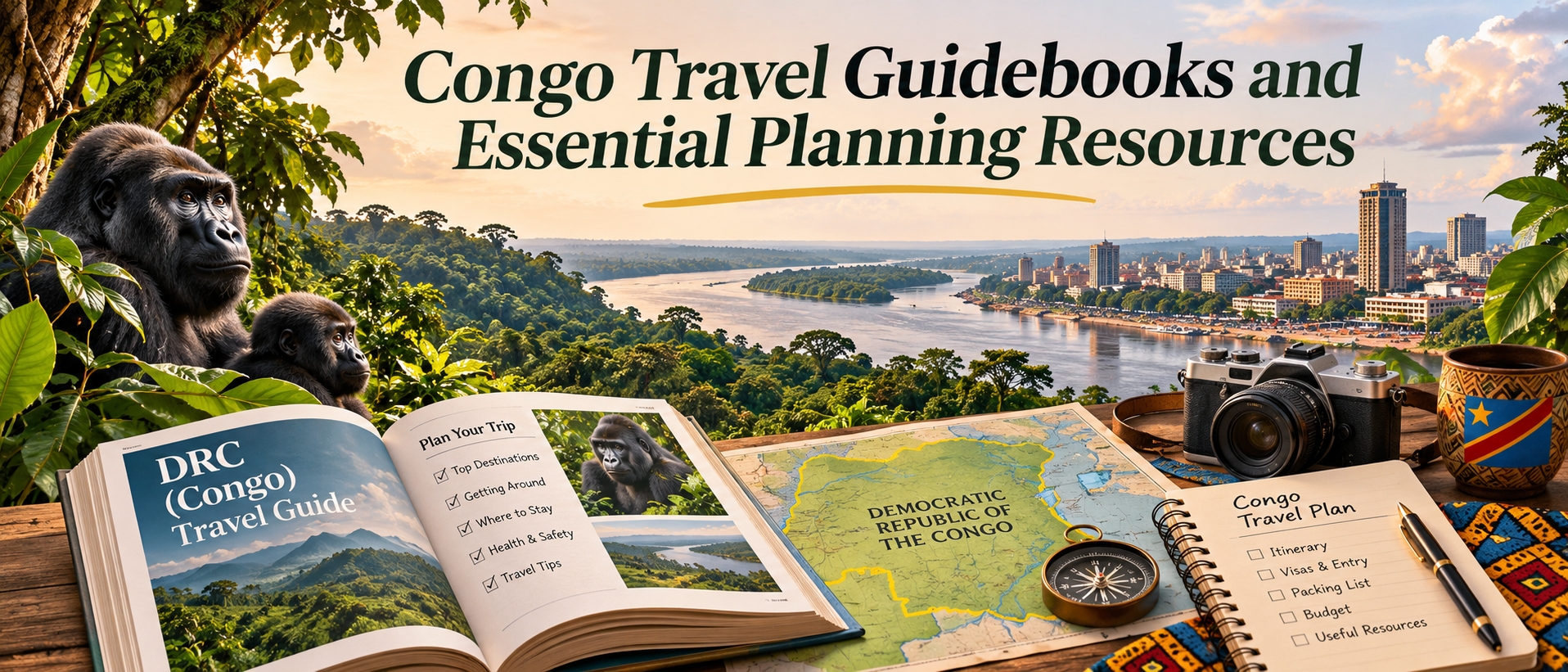
Whether you are interested in nature, local culture or exploring Kinshasa, having reliable Congo travel guidebooks and planning resources can help you prepare for your journey.
Best Travel Guidebooks for DR Congo
A good travel guidebook provides information about destinations, accommodation, transportation, local customs and important travel precautions.
Bradt Travel Guides – Democratic Republic of the Congo, written by Sean Rorison, is a useful option. Its 2025 edition covers Kinshasa, Kongo-Central, Kisangani, wildlife reserves and practical travel arrangements.
Travellers can use this guide to understand the country's geography, cultural attractions and available transportation options.
Essential Maps and Travel Planning Resources
DR Congo is a large country, and travelling between cities can be challenging. Some roads are poorly maintained, while remote destinations have limited transportation services.
Google Maps and offline navigation apps can help travellers understand distances and locate important places. Downloading maps before departure is useful because mobile internet coverage may be unreliable outside major cities.
Travellers should also check regional weather forecasts, transport schedules and accommodation availability before finalising their itinerary.
Popular Places to Explore in DR Congo
Kinshasa: The capital is known for its lively music scene, markets, restaurants and cultural attractions. Visitors can discover Congolese traditions and local cuisine.
Congo River: One of Africa's most important waterways, the river offers impressive scenery and plays an essential role in local transportation and trade.
Lola ya Bonobo Sanctuary: Located near Kinshasa, this conservation centre protects endangered bonobos and offers educational visits.
Virunga National Park: Famous for its mountain gorillas and volcanic landscapes, Virunga is located in an area affected by serious security risks. Travellers should follow official warnings rather than assume tourism activities are available.
DR Congo Visa and Entry Requirements
Before travelling, visitors should confirm whether their nationality requires a visa and which application method is currently available.
Travellers researching the process can read this guide on How to Apply for the Democratic Republic of the Congo Visa for information about visa purposes, eligibility and application steps.
Check current application availability with the relevant Congolese embassy or immigration authority before submitting documents or making payments.
Health and Safety Planning for Congo
Health preparation is an important part of travelling to DR Congo. Visitors must check yellow fever vaccination requirements and consult a healthcare professional about malaria prevention and other recommended vaccinations.
Carry appropriate travel insurance, necessary medicines and emergency contact details.
Security conditions also require serious attention. Several regions, particularly eastern DR Congo, are affected by armed conflict. Government travel advisories may recommend avoiding particular areas or the entire country.
Always review current security and public health information before making travel arrangements.
Useful Travel Tips for First-Time Visitors
French is the official language, although Lingala, Swahili, Kikongo and Tshiluba are also widely spoken in different regions. Learning basic French phrases can make everyday communication easier.
The Congolese franc is the local currency. Travellers should confirm accepted payment methods and carry suitable funds for their planned activities.
Keep digital and printed copies of important travel documents, arrange reliable transportation and choose accommodation carefully.
Final Thoughts
Planning a journey to DR Congo involves more than choosing places to visit. Reliable guidebooks, updated maps, health advice and official travel information help travellers make informed decisions.
By researching entry requirements, regional conditions and transportation options in advance, visitors can better understand the country and prepare responsibly for their trip.




