
Create professional company cards that share your contact details, strengthen your brand, and leave a polished impression with clients and prospects.
A good first meeting can lead to a new customer, partner, or business opportunity. One small item can help people remember that meeting: a business card.
Professional company cards give people your key contact details in a simple format they can keep. They also give your brand a physical presence after a meeting ends. Even with email, websites, and social media, printed cards remain useful during face-to-face conversations.
For a business, the goal is not simply to print a name and phone number. A card should look clear, match the company brand, and make contacting the right person easy.
Why Company Cards Still Matter for Businesses
Digital contact sharing is fast, but a printed card does not need an app, internet connection, or phone. You can hand it to someone at a meeting, conference, sales visit, open house, or networking event.
Well-designed company cards can also support brand recognition. A person may see your logo, colors, and business name again when they look at the card later.
Gallery Collection offers standard cards measuring 3.5 x 2 inches and credit-card-size options measuring 3.30 x 2.16 inches. Both horizontal and vertical formats are available.
Company cards are especially useful for professionals who meet customers in person, including sales teams, real estate agents, healthcare workers, consultants, and office staff.
What Information Should Company Cards Include?
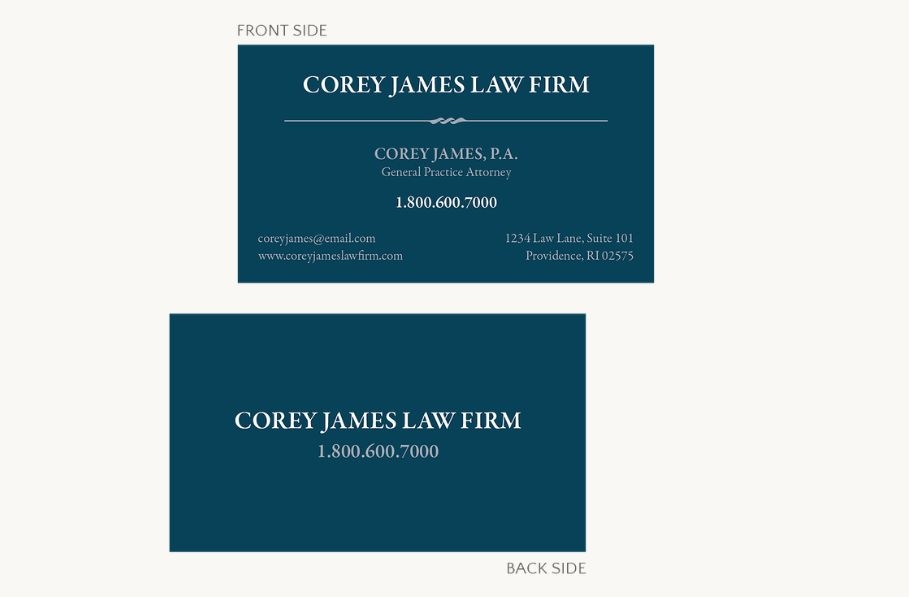
The best company cards make important details easy to scan. Too much information can make the design crowded, while too little can leave a customer unsure about how to reach you.
Include the details that matter most:
Employee or professional name
Job title or role
Company name
Company logo
Phone number
Professional email address
Website address
You may also add an office address when customers regularly visit your location.
Keep the text large enough to read. Make sure your name and company identity are easy to notice first. Contact information can then appear in a clear order below or beside them.
How to Design Professional Business Cards
A strong design should feel like part of your company, not a separate piece of marketing.
Start with your existing brand. Use the same logo, type style, and general visual feel found on your website and other business materials.
Professional company cards should also have enough open space. Filling every corner with text, icons, or graphics can make important information harder to see.
Gallery Collection allows customers to customize the front and back of cards with logos, photos, text, colors, and contact information. It also provides standard and credit-card formats with different layout choices.
Before ordering company cards, check every phone number, spelling, job title, and email address. A simple typo can mean printing the full order again.
Choosing Company Cards for Your Team
Businesses ordering cards for several employees need consistency.
A simple company-wide system can help. Keep the logo, fonts, card size, and general layout the same. Change only personal details such as the employee's name, title, email, and phone number.
This approach makes company cards from different departments feel connected to one brand.
Gallery Collection states that businesses can create cards for employees through its business card portal, which can be useful when managing cards across a team.
When placing an order, businesses should also think about quantity. Gallery Collection offers business cards in increments starting at 50 cards, giving smaller teams an option without requiring a very large first order.
How Company Cards Support Brand Consistency
Company cards may be small, but they often appear during important business moments. A sales representative may hand one over after a presentation. A real estate agent may give one to a potential client. A consultant may share one after a first meeting.
When every printed item has a similar look, the business feels more organized.
The same brand colors, logo, typography, and tone can be carried across company cards, presentation materials, note cards, and other printed communication.
A consistent design helps people connect the card they receive with the company they met.
Frequently Asked Questions
What information should be on a company card?
A company card should usually include the person's name, job title, company name, phone number, email address, website, and logo. Add an address only when it is useful to customers.
What is the standard size of a business card?
A common standard size is 3.5 x 2 inches. Gallery Collection also offers a credit-card-size format measuring 3.30 x 2.16 inches.
Can I put my company logo on a business card?
Yes. Adding your logo helps connect the card with your brand. Gallery Collection allows a company logo or personal photo to be added during customization.
Should company cards be double-sided?
They can be. The front can focus on your name, title, and logo, while the back can hold extra contact or business information. Keep both sides simple and easy to read.
How many company cards should I order?
The right amount depends on how often employees meet customers or attend events. Smaller orders can work for new employees or changing roles, while larger quantities can suit active sales teams.
Are printed business cards still useful?
Yes. Printed company cards remain useful when people meet face to face because contact information can be exchanged immediately without requiring a device or digital platform.
Conclusion: Make Company Cards Work Harder for Your Brand
A business card has one simple job: help the right person remember you and contact you.
Effective company cards combine clear information, readable design, accurate contact details, and consistent branding. They should look professional without becoming crowded or difficult to understand.
Choose a suitable size, keep the design connected to your company identity, check every detail before printing, and give employees a consistent format. A thoughtful card can turn a short introduction into a lasting business connection.



