Introduction
Maintenance work often depends on noticing small details before they develop into larger problems. A loose component, a worn surface, or an unclear equipment label can be difficult to examine when the surrounding area is poorly lit. While workshop lighting provides general illumination, it may not reach every corner of a machine or electrical enclosure. Portable lighting offers a practical way to direct light towards the specific area being checked.
An LED Hand Lamp can be useful during planned maintenance, equipment inspections, and workshop repairs because it allows workers to reposition the light as their task changes. Selecting the right lamp, however, requires more than simply looking at its power rating.
Why Planned Maintenance Requires Suitable Lighting
Planned maintenance involves scheduled activities intended to keep equipment in suitable working condition. Technicians may need to examine accessible parts, read identification labels, check visible surfaces, and prepare equipment for servicing.
Poor visibility can make these activities more difficult. Workers may need to change positions repeatedly or use additional lighting to examine a particular component. A suitable portable lamp helps illuminate the required area without depending entirely on overhead fixtures.
Good lighting can support several maintenance activities:
Reading labels and markings on equipment.
Examining accessible surfaces for visible damage or wear.
Checking areas that receive limited light from fixed fixtures.
Supporting repair and assembly tasks.
Improving visibility when documenting inspection findings.
Lighting supports visual checks, but it cannot replace specialist testing instruments or formal inspection procedures where these are required.
Factors to Consider Before Selecting a Portable Lamp
1. Understand the Working Environment
A lamp used in a clean workshop may have different requirements from one used in a dusty maintenance area. Consider the surrounding conditions, available power supply, and whether the equipment will be exposed to moisture or other environmental factors.
Always confirm that the selected lamp is rated for its intended conditions.
2. Check the Electrical Rating
The lamp's voltage and power specifications must match the intended application. Using an unsuitable power source can damage equipment and create safety risks.
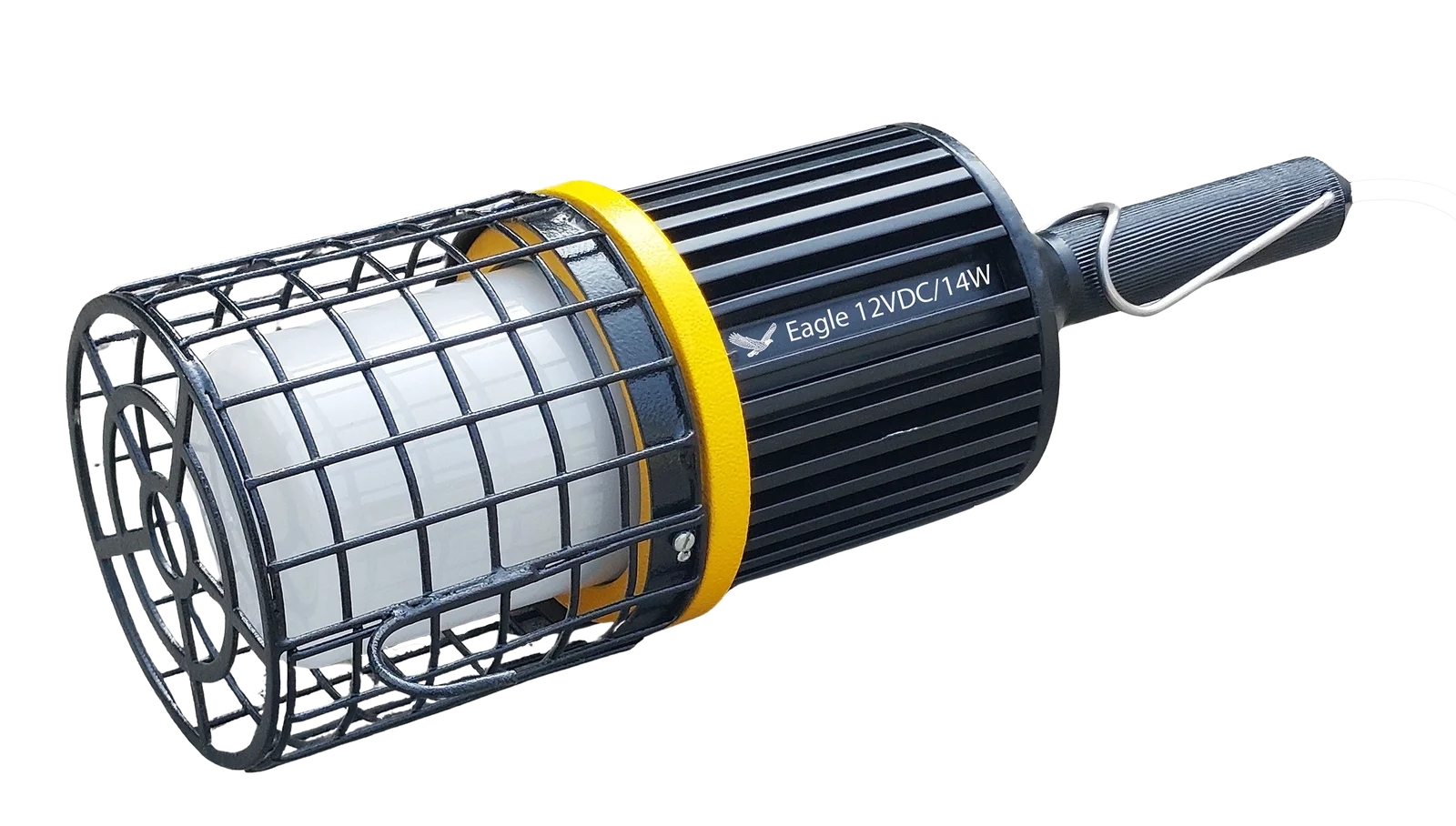
For example, the Eagle LED Hand Lamp listed by Mimic Products is rated at 12 VDC and 14 watts. Users should consult the product information to confirm its suitability before purchase.
3. Consider Handling and Positioning
Maintenance tasks rarely remain in one position for long. A technician may need to move from the front of a machine to its side or examine components at different heights.
A portable lamp should be practical to handle and position during the task. Its design should allow the user to direct illumination where it is needed without creating unnecessary obstacles in the work area.
4. Evaluate the Lighting Requirement
Different tasks require different levels and patterns of illumination. Reading a label, examining a large surface, and inspecting a recessed component are not identical activities.
Consider the area to be illuminated and the level of detail required. Avoid assuming that wattage alone determines how well a lamp will illuminate a particular surface.
5. Review Maintenance and Storage Requirements
A portable light should be inspected and stored according to the manufacturer's instructions. Check for visible damage before use, keep the equipment clean as recommended, and ensure cables or connectors remain in suitable condition.
These simple practices help keep the lamp ready for future maintenance activities.
Where Can Portable Inspection Lighting Be Useful?
Industrial Workshops
Workshop personnel often handle equipment, tools, and components that require close visual examination. A movable light source can help illuminate a workpiece when fixed lighting creates shadows.
Electrical Maintenance Areas
Electrical panels and control equipment can contain closely arranged components and labels. Suitable portable illumination can help authorised personnel see accessible areas more clearly. Required isolation procedures must always be followed before electrical work begins.
Machinery Servicing
Equipment frames, internal compartments, and lower sections may receive limited ambient light. A portable lamp can help technicians examine accessible areas during approved servicing procedures.
General Inspection Tasks
Routine checks may take place in warehouses, utility areas, and service rooms. Portable lighting can provide additional visibility when natural light or installed fixtures are insufficient.
LED Hand Lamp from Mimic Products
Mimic Products lists an Eagle LED Hand Lamp intended for safety lighting, maintenance, and inspection applications. The listed model has a 12 VDC rating and 14-watt power specification.
Before selecting this product, compare its listed specifications with your workplace requirements and review the manufacturer's product information.
Safe Practices During Maintenance Work
Portable lighting should be used as part of a broader workplace safety procedure. Before starting a task, check the lamp for damage and confirm that its electrical rating is appropriate.
Keep cables away from walkways, hot surfaces, and moving parts. Use equipment suitable for the site's environmental conditions, and follow the required isolation procedures when working around machinery or electrical systems. If the lamp shows signs of damage, stop using it until it has been checked and dealt with appropriately.
These precautions help make portable lighting a useful part of an organised maintenance routine.
Conclusion
Good maintenance planning includes making sure workers can see the areas they need to inspect. Fixed lighting provides general coverage, while portable lamps offer flexibility for tasks that require attention to specific components or confined spaces.
When choosing an LED Hand Lamp, assess the work environment, power requirements, handling, illumination needs, and applicable safety considerations. Reviewing these factors can help maintenance teams select practical lighting equipment for their daily activities.
Frequently Asked Questions
1. Why is portable lighting useful during routine maintenance?
It allows workers to direct illumination towards specific equipment areas that may not receive enough light from fixed fixtures.
2. Does wattage alone determine the performance of a hand lamp?
No. Wattage indicates power consumption, but brightness and useful illumination also depend on other design and performance characteristics.
3. What voltage does the Eagle LED Hand Lamp from Mimic Products use?
The listed model is rated at 12 VDC with a power rating of 14 watts. Check the product page for the relevant specifications before use.
4. How should a portable inspection lamp be maintained?
Inspect it for visible damage, clean it according to the manufacturer's instructions, and store it properly after use.
5. Can portable lighting replace other inspection equipment?
No. It improves visibility but does not replace testing instruments, protective equipment, or formal inspection procedures when these are required.