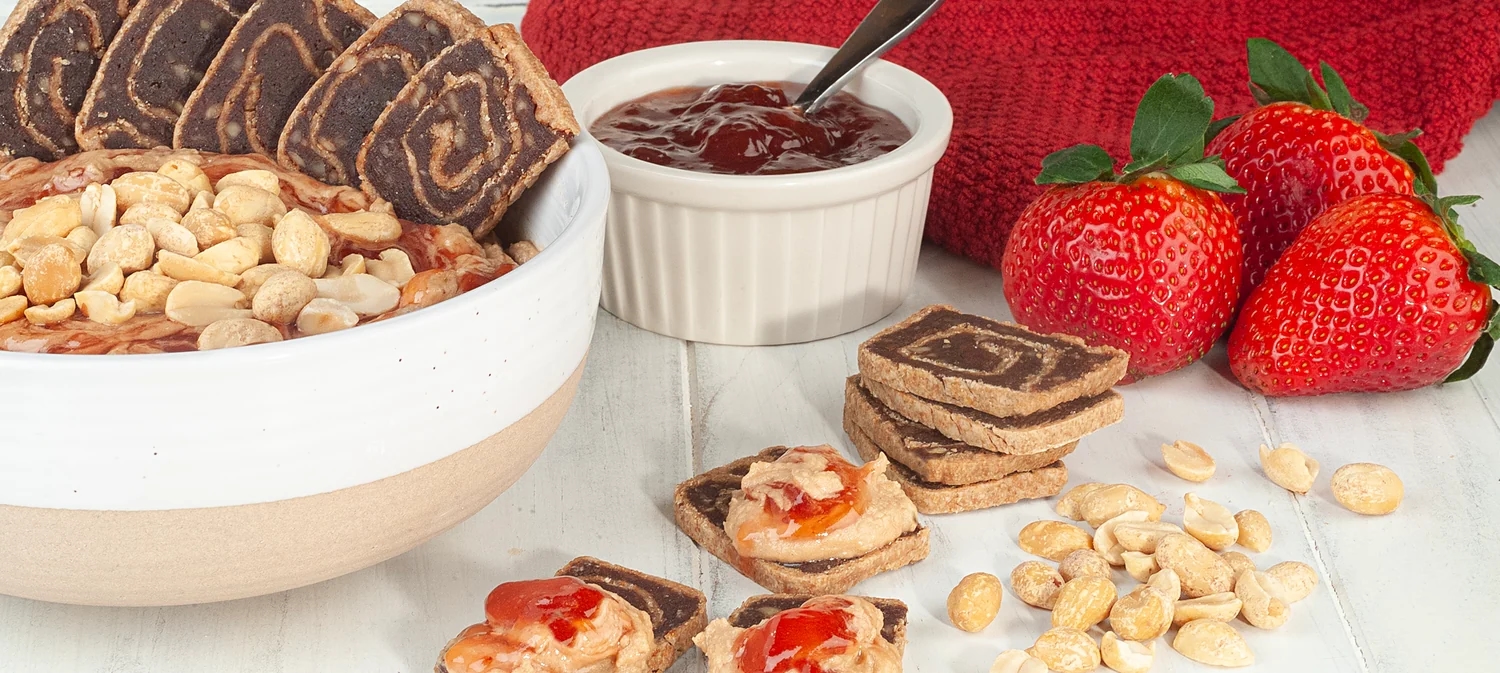
The right snack products can help retailers attract new customers, build repeat sales, and create a stronger position in a competitive food market. However, choosing products for wholesale distribution involves more than comparing prices. Retailers must consider product quality, customer preferences, ingredient lists, shelf life, packaging, and profit margins. BIGDATE Snacks wholesale offers an opportunity for retailers and food businesses to explore date-based snack options that fit changing consumer interests.
Many customers are looking for snacks that combine convenient portions, enjoyable flavors, and simple ingredients. As a result, naturally sweet snacks have become an appealing category for businesses seeking alternatives to conventional confectionery. Date-based products can be particularly interesting because dates provide natural sweetness and a distinctive flavor.
This article explains seven practical tips for evaluating wholesale snack products, understanding customer needs, and making informed purchasing decisions. It also explores how cinnamon date snacks and other date-based options may fit into a retail assortment. By considering these factors, retailers, distributors, and food service operators can build a product selection that supports customer satisfaction and long-term business growth.
1. Understand the Demand for Date-Based Snacks
A successful wholesale purchasing strategy begins with understanding the people who will buy the products. Different customers have different priorities, so retailers should identify their main audience before placing a large order.
Some shoppers prefer familiar sweet flavors, while others look for plant-based choices or snacks made with recognizable ingredients. Date-based snacks can appeal to several of these preferences, depending on their ingredients, production methods, and labeling.
Identify the Right Customer Groups
Retailers should consider the customers who visit their stores most often. Grocery shoppers, office workers, students, fitness enthusiasts, and travelers may all look for convenient snacks, but their purchasing habits can differ.
For example, a neighborhood grocery store might benefit from affordable, individually packaged snacks suitable for everyday consumption. A specialty food shop, conversely, may focus on distinctive flavors and premium presentation.
Businesses evaluating BIGDATE Snacks wholesale should consider questions such as:
Which snack categories already sell well?
Are customers interested in date-based products?
Do shoppers prefer individual portions or multipacks?
Is there demand for vegan or plant-based options?
What price range fits the local market?
These questions help businesses select products according to actual demand rather than assumptions.
Review Naturally Sweet Snacks as a Category
Naturally sweet snacks offer another way to organize a retail assortment. Dates contain naturally occurring sugars, and their rich flavor can provide sweetness in snack products without relying entirely on refined sugar.
However, the phrase "naturally sweet" does not automatically mean that a product is low in calories or suitable for every dietary need. Retailers should examine the complete ingredient list and nutrition information before making claims about a product.
A balanced selection might include date-based snacks alongside nuts, dried fruit, whole-grain products, and other options that match customer preferences. This approach allows shoppers to compare different textures, flavors, and ingredient combinations.
2. Evaluate Product Quality Before Buying Wholesale
Wholesale pricing matters, but low prices alone do not guarantee a worthwhile purchase. Product quality affects customer satisfaction, repeat orders, and the reputation of the retailer.
A dependable wholesale product should meet the business's expectations for flavor, texture, packaging, labeling, and consistency.
Check Ingredients and Product Information
Before purchasing BIGDATE Snacks, retailers should review the available product specifications. Important details include ingredients, allergen declarations, nutritional information, storage requirements, country of origin where applicable, and the stated shelf life.
Clear product information helps retailers answer customer questions and make appropriate recommendations.
For example, a customer searching for vegan snacks may want confirmation that a product contains no animal-derived ingredients. Retailers should verify this through the manufacturer's ingredient and allergen information rather than relying on the product name alone.
Similarly, a customer looking for clean-label products may be interested in a short ingredient list or familiar ingredients. Since "clean label" does not have one universal definition, businesses should explain the specific characteristics of each product accurately.
Assess Taste, Texture, and Consistency
Taste is one of the most important factors in repeat purchasing. Even a well-priced snack may struggle to generate repeat sales if customers dislike its flavor or texture.
Where possible, retailers should request samples before placing a large wholesale order. Sampling allows the purchasing team to evaluate the product directly and compare it with existing items.
The review should consider:
Flavor balance and sweetness.
Texture and ease of eating.
Portion size and convenience.
Packaging condition and product freshness.
Consistency between samples and subsequent deliveries.
For date-based products, the natural richness of dates may pair well with ingredients such as cinnamon, fruit, or selected spices. The final experience, however, depends on the product's actual formulation and preparation.
3. Choose Flavors That Offer Variety
A varied product selection can make a retail display more interesting and give customers reasons to explore a brand. Nevertheless, adding too many similar products can tie up money in inventory that sells slowly.
The objective is to offer enough variety to serve different preferences without making stock management unnecessarily complicated.
Consider Cinnamon Date Snacks
Cinnamon date snacks can offer a familiar flavor profile that combines the sweetness of dates with the warm aroma of cinnamon. This combination may appeal to shoppers who enjoy lightly spiced foods and fruit-based snacks.
Retailers can position these products near other snack items, lunchbox products, or specialty foods, depending on the store's layout and customer behavior.
For instance, a retailer might test a small quantity of cinnamon-flavored date snacks alongside fruit-based products. Sales results can then help determine whether the flavor deserves more shelf space.
However, businesses should avoid assuming that every customer prefers cinnamon. Flavor testing and sales tracking provide more reliable guidance than personal preference alone.
Balance Familiar and Distinctive Options
A useful wholesale assortment often combines recognizable flavors with products that offer something different.
A store might begin with familiar fruit or cinnamon flavors and introduce more distinctive spice combinations when customers show interest. This strategy creates opportunities for product discovery while keeping the initial selection manageable.
When reviewing BIGDATE Snacks wholesale options, retailers should compare available varieties, pack sizes, minimum order quantities, and pricing. They should also confirm which products are currently available rather than assuming that every flavor is offered by every distributor.
4. Compare Wholesale Prices and Profit Margins
Wholesale purchasing is a business decision, so the full cost of each product deserves careful attention. A low unit price can be attractive, but the final profitability depends on additional expenses and the selling price customers will accept.
Calculate the True Cost Per Unit
The true cost of a wholesale product may include the purchase price, shipping, handling, storage, payment processing, and any applicable taxes or import charges.
For example, consider a hypothetical order of 100 snack packs.
Product cost per pack: $1.20.
Allocated shipping and handling per pack: $0.15.
Total cost per pack: $1.35.
Retail selling price per pack: $2.00.
The gross profit per pack would be $0.65 before other operating expenses.
The gross margin would be calculated as follows:
Gross margin = (Selling price − Cost of goods sold) ÷ Selling price × 100
Using the example above, the gross margin is 32.5%.
These figures are illustrative only and do not represent actual BIGDATE Snacks wholesale prices. Retailers should use confirmed supplier quotations and their own operating costs when making purchasing decisions.
Compare Suppliers Beyond the Price List
Price comparisons are more useful when businesses examine the complete purchasing arrangement.
Important factors include minimum order quantities, delivery schedules, payment terms, return policies, product availability, and communication quality.
A supplier offering a slightly higher unit price may still provide better overall value if deliveries are dependable and products arrive in suitable condition.
Additionally, retailers should confirm whether wholesale pricing changes with order volume. Any expected discount should be documented in the quotation or agreed purchasing terms.
5. Examine Packaging, Shelf Life, and Storage
Packaging affects product presentation, transport, storage, and customer convenience. It also provides space for important information, including ingredients, allergens, nutrition details, and expiry or best-before dates where applicable.
For wholesale buyers, packaging should work for both the supplier's delivery process and the retailer's daily operations.
Choose Packaging That Fits the Store
Different sales environments require different packaging formats. Convenience stores may favor individual portions, while supermarkets might prefer multipacks or larger shelf displays.
Retailers should check whether the packaging is durable enough for transport and whether the product information is easy to read.
Where relevant, businesses should also examine packaging material, recyclability claims, and disposal instructions. Such details should be verified rather than inferred from the appearance of the package.
Manage Shelf Life and Stock Rotation
Inventory management becomes especially important when ordering snacks in bulk. Products that remain in storage too long may approach their expiry dates before they can be sold.
A practical approach is to use the first-expiry, first-out method. Products with the earliest expiry dates are placed at the front and sold first.
Retailers should also confirm the required storage conditions before accepting a delivery. Heat, moisture, and unsuitable storage environments can affect product quality.
Before finalizing a BIGDATE Snacks wholesale order, businesses should ask about the remaining shelf life at delivery, storage recommendations, and the supplier's procedures for damaged or unsuitable products.
6. Use Sales Data to Guide Reordering
A wholesale purchasing strategy should improve as the business learns more about customer behavior. Sales records help retailers identify which products deserve more shelf space and which products may need a different price, display location, or smaller reorder quantity.
Track Product Performance
Retailers can begin with a simple spreadsheet that records weekly sales, stock levels, purchase costs, and customer feedback.
For each product, useful measures include:
Units sold during the week.
Current inventory and estimated days of stock remaining.
Gross profit per unit.
Frequency of repeat purchases.
Damaged, returned, or unsold stock.
For example, a retailer may find that cinnamon date snacks sell steadily while a more unusual flavor attracts attention but generates fewer purchases. The business can adjust reorder quantities accordingly.
These observations are more valuable than ordering every product in equal quantities.
Test New Products in Small Quantities
New products introduce uncertainty. A smaller initial order can help a retailer evaluate demand without committing too much working capital.
If the product performs well, the business can increase the next order. If sales remain slow, the retailer can reconsider its display, pricing, or product selection.
When available, sample programs or trial orders can make this process easier. However, minimum quantities and trial arrangements vary by supplier and should be confirmed before ordering.
Moreover, seasonal events, local preferences, and changes in customer spending may affect results. Reviewing sales over several weeks can provide a more useful picture than judging a product from a single busy day.
7. Build a Reliable Long-Term Wholesale Relationship
Wholesale purchasing works best when both sides understand the commercial requirements. Retailers need consistent supply and accurate information, while suppliers need clear orders, realistic forecasts, and timely communication.
A dependable relationship can make routine purchasing easier and help businesses respond to changes in demand.
Ask the Right Questions Before Placing an Order
Before committing to BIGDATE Snacks wholesale purchasing, a business should request the information needed to make a clear decision.
Useful questions include:
What products and flavors are currently available?
What are the wholesale prices and minimum order quantities?
What shelf life remains when products are delivered?
What are the shipping costs and estimated delivery times?
Which payment methods and terms are available?
What happens if an order arrives damaged or incomplete?
Retailers should keep written records of quotations, order confirmations, delivery dates, and any agreed terms. This reduces confusion and supports more accurate cost calculations.
Plan for Sustainable Business Growth
Growth should follow demonstrated demand rather than optimistic sales estimates. As a business gains experience with date-based snacks, it can use sales trends to refine order sizes, expand popular flavors, and reduce slow-moving stock.
Additionally, clear product descriptions can help staff explain the differences between naturally sweet snacks, cinnamon date snacks, and other products in the assortment.
A retailer that understands the products it sells is better positioned to answer questions and build customer trust. Accurate descriptions also help prevent misleading claims about ingredients, nutrition, or dietary suitability.
FAQs
What should retailers check before ordering BIGDATE Snacks wholesale?
Retailers should review wholesale prices, minimum order quantities, ingredients, packaging, shelf life, and delivery terms. Product samples can also help assess flavor and texture before a larger purchase.
Are naturally sweet snacks suitable for every customer?
No. Naturally sweet snacks may appeal to people who enjoy date-based products, but their nutritional profiles vary. Customers with specific dietary needs should review ingredient lists and nutrition information.
Why can cinnamon date snacks be a useful retail option?
Cinnamon date snacks combine a familiar spice with the natural sweetness of dates. They can add flavor variety to a snack selection, although local customer demand should guide purchasing quantities.
How can a small retailer manage wholesale snack inventory?
A small retailer can begin with a trial order, track weekly sales, monitor expiry dates, and reorder according to demand. These steps help control storage costs and reduce the risk of unsold inventory.
Conclusion
Choosing the right wholesale snacks requires a balance of customer insight, product quality, pricing, inventory control, and supplier reliability. Retailers that evaluate these factors carefully can build an assortment that serves customer preferences while protecting their operating budgets.
BIGDATE Snacks wholesale can be explored as part of a retail strategy focused on date-based products and varied snack flavors. Before purchasing, businesses should verify product availability, ingredient information, wholesale terms, packaging details, and delivery conditions.
Naturally sweet snacks and cinnamon date snacks may provide useful options for retailers looking to expand their selections. Nevertheless, the strongest purchasing decisions come from comparing confirmed product information with real sales results.
A thoughtful approach helps retailers begin with manageable orders, identify popular products, and expand when demand supports growth. By focusing on quality, transparency, and consistent service, businesses can create a snack selection that encourages customer confidence and repeat purchases.