Securing investment is an important step. However, it is important that your business has customers, a solid business plan, financial controls and good market connections.
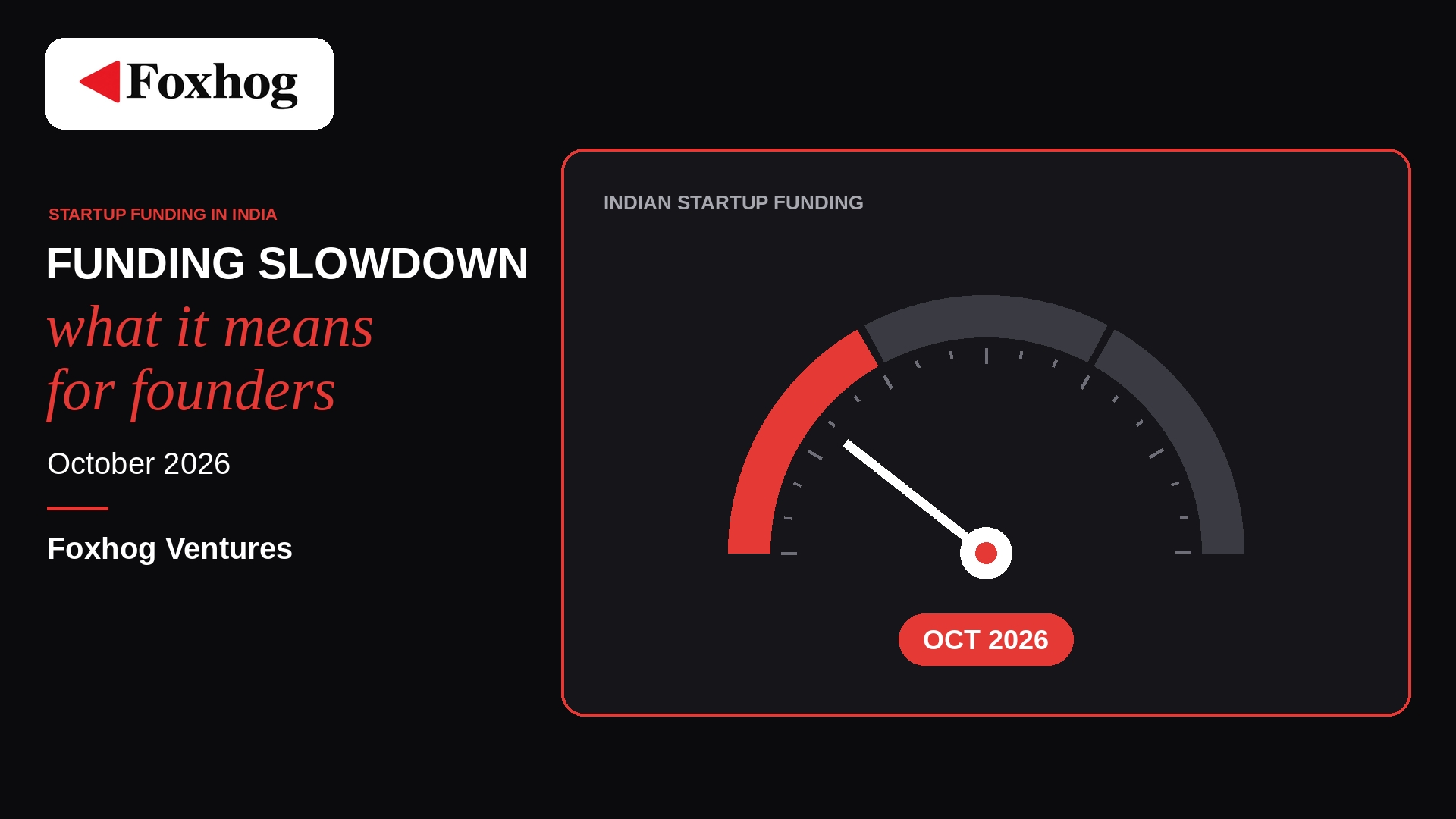
In October 2026, Indian startups raised around $678 million in funding – a decrease of 47.5% from September (Entrackr).
This is an important change for entrepreneurs looking to raise investment. While investors may still be willing to invest into a promising business, it is important for founders to showcase how their business will grow and create long-term value.
Early stage startups, SMEs and rural entrepreneurs have an opportunity to review their growth strategies.
At Foxhog Ventures, the broader focus on startup development, business support and financial opportunities connects with an important question: What do businesses need beyond funding?
1. A Good Business Idea Needs a Strong Foundation
Many entrepreneurs will have a great idea for their business. This may involve developing technology products, or setting up manufacturing units, food processing or local service businesses.
However, this will not create a successful company.
It is important to know your customers, understand what needs to be provided in the market and create a business plan to help you generate revenue.
If you are a rural entrepreneur looking to set up a dairy business you should understand the cost of producing milk, how to transport it, store it and understand what the demand of your customers will be.
Similarly, if you are setting up a technology business, understand your product before investing heavily into expanding.
Having a solid base will help your business make better decisions and position itself for future investment opportunities.
2. Why Investors Look Beyond Funding Requirements
When founders approach investors, they often focus on how much money they need.
However, investors also want to understand how the business will use that money.
A startup seeking investment should be prepared to explain:
· Its products or services.
· Its target customers.
· Its revenue model.
· Its current business performance.
· Its expansion plans.
· Its expected use of investment.
A clear pitch helps investors understand the business opportunity.
Founders should also remember that financial planning is important. They need to know how much capital is required to reach the next stage of growth.
3. Small Businesses Need Better Access to Finance
Startup funding is only one part of India's business financing system.
Small and medium-sized businesses also need suitable financial support to improve production, purchase equipment and manage working capital.
SME funding in India can create opportunities for businesses that want to expand their operations.
For example:
· A food processing company may need packaging machinery.
· A small manufacturer may need equipment to increase production.
· A retail business may need working capital to maintain inventory.
· A rural enterprise may need finance to improve storage and distribution.
Business owners can explore suitable bank loans, government-supported credit schemes, microfinance and private investment options depending on their eligibility.
The important step is to select financing that matches the business's requirements and repayment capacity.
4. Rural Entrepreneurs Need More Than Financial Support
There is a lot of potential for entrepreneurs in the rural areas of India in a variety of sectors including agriculture, dairy, poultry, handicraft, food processing and manufacturing.
Entrepreneurs in rural areas and smaller towns may often find it difficult to find experienced mentors, get into bigger markets, understand how to manage their finances and connect with other people that could help them with their business.
If someone has a small food processing business that creates quality local products they may have knowledge around producing the product but may require help with packaging, branding, distribution and selling online.
This is where having business support and connections can help.
Opportunities for rural businesses can help create local jobs and boost the economy.
5. Technology Can Help Small Businesses Compete
Technology is no longer limited to large companies.
Affordable digital platforms and AI for small businesses are helping entrepreneurs improve daily operations.
Some practical uses include:
Digital marketing: Businesses can use online platforms to reach customers beyond their local markets.
AI-powered content: Entrepreneurs can prepare product descriptions, marketing ideas and social media content.
Customer management: Digital tools can help businesses organise customer information and respond to enquiries.
Inventory planning: Suitable software can help business owners monitor stock and sales.
Financial management: Digital accounting tools can help small businesses track income, expenses and payments.
These tools cannot replace a good business strategy, but they can help entrepreneurs save time and manage operations more efficiently.
6. Why Investor Networks and Mentorship Matter
There are many benefits to connecting with investors,
Such as useful feedback, industry knowledge and networking from experienced investors and professionals within business.
Founders attending startup networking events will be able to connect with potential partners, learn about challenges within the market or gain new ideas to improve their pitch deck.
Mentors also help entrepreneurs avoid common mistakes with pricing, customer acquisition, financial planning and expansion.
These connections can be valuable to early stage businesses.
7. Foxhog Ventures and the Importance of Business Growth Support
Foxhog Ventures have many areas they work with including Venture Capital Management, Business Consulting and Microfinance. They specialise in working with early stage startups, SMEs and underrepresented entrepreneurs.
They represent a wider approach to business by highlighting the importance of combining funding opportunities with business development.
With leadership from Tarun Poddar, Founder and CEO of Foxhog Ventures, the company aim to support entrepreneurs and businesses that require financial and business resources.
When researching Tarun Poddar Foxhog and Tarun Poddar Foxhog Ventures it is useful to understand how venture capital and business development can help companies plan their growth strategies.
Entrepreneurs should focus on creating a business that will add value to customers, be responsible with resources and find the right opportunities for expansion.
8. Five Practical Steps to Prepare Your Business for Growth
Whether you operate a startup in a major city or a small business in a rural area, these steps can help improve business readiness.
1. Understand your customers: Identify the problems your products or services solve.
2. Track your finances: Maintain clear records of income, expenses and cash flow.
3. Use technology wisely: Explore affordable digital and AI tools that solve practical problems.
4. Build business connections: Connect with mentors, investors, suppliers and other founders.
5. Plan for long-term growth: Set realistic targets for revenue, operations and market expansion.
These steps can help founders prepare for changing market conditions and future funding opportunities.
Conclusion: Strong Businesses Need More Than Capital
Whilst the reduction in funding in October 2026 is a reminder of how volatile the investment markets can be, there are still many opportunities out there to take advantage of within business.
Early stage startups will need to have great products and business models, SMEs will need the correct funding and improved operations, whilst rural entrepreneurs require access to markets, technology and expert advice.
With patience, preparation and the right systems in place you can create a successful company.
At Foxhog Ventures we feel it is very important to create opportunities within startups and those who are under-served within business to create a stronger business ecosystem.
Looking for a deeper understanding of India's October 2026 funding slowdown?
Read our detailed report:
Startup Funding in India Falls in October 2026: What Founders Need to Know
Discover the latest funding trends, investor expectations and practical lessons for Indian entrepreneurs.