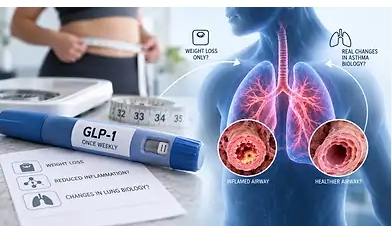
The growing use of telehealth has changed how people access prescription medications for weight management. Instead of visiting a traditional clinic for every appointment, eligible patients may be able to complete an online health assessment, speak with a licensed healthcare professional, receive a prescription when appropriate, and have medication dispensed through a legitimate pharmacy.
For people searching for glp 1 pills buy online, glp 1 pills buy, glp 1 pills online, or glp 1 pills for sale, the most important question is not simply where to purchase a product. The more important question is how to identify a legitimate treatment pathway that connects a qualified prescriber, an appropriate medication, and a licensed pharmacy.
GLP-1 refers to glucagon-like peptide-1, a naturally occurring hormone involved in appetite regulation, glucose metabolism, and digestion. Some prescription medications act on the GLP-1 pathway, while tirzepatide acts on both the GIP and GLP-1 pathways. Depending on the medication, formulation, medical condition, and regulatory approval, these medicines may be available for diabetes treatment or chronic weight management.
The National Institute of Diabetes and Digestive and Kidney Diseases explains that prescription weight-management medicines can be considered for some adults with obesity or overweight accompanied by weight-related health conditions. Medication is generally used as part of a broader treatment plan involving nutrition, physical activity, and behavioral changes.
Therefore, the safest online approach is provider evaluation → prescription when medically appropriate → licensed pharmacy → proper medication use → ongoing monitoring.
Key Takeaways
GLP-1-related medicines are prescription treatments for specific medical indications.
Not every product advertised online as a “GLP-1 pill” is an FDA-approved medication.
A legitimate online provider should involve an appropriate healthcare professional in the prescribing process.
A licensed pharmacy should dispense the prescription medication.
Consumers should verify the medication name, active ingredient, dosage, pharmacy information, storage requirements, and instructions.
Compounded medications are different from FDA-approved products and require additional consideration.
Extremely low prices, guaranteed weight-loss claims, and websites selling prescription drugs without appropriate evaluation are warning signs.
Online treatment should include follow-up care rather than being a one-time transaction.
What Are GLP-1 Medications and Why Are They Used?
GLP-1 medications are prescription treatments that influence biological pathways associated with appetite, food intake, blood glucose regulation, and gastrointestinal function. Some medications in this category are approved for type 2 diabetes, while others have specific approvals for chronic weight management.
For example, semaglutide is used in different prescription products and formulations for different medical indications. NIDDK lists semaglutide and tirzepatide among prescription medications approved for long-term weight management, while also explaining that the appropriate medication depends on factors such as potential benefits, side effects, existing health conditions, other medications, family history, and cost.
Tirzepatide has a somewhat different mechanism because it acts on both glucose-dependent insulinotropic polypeptide (GIP) and GLP-1 pathways. The FDA approved Zepbound (tirzepatide) for chronic weight management in eligible adults with obesity or overweight plus at least one weight-related condition, alongside a reduced-calorie diet and increased physical activity.
The important distinction is between a drug class, a specific active ingredient, a formulation, and an approved indication. Searching for a “GLP-1 pill” does not automatically identify the right medication. A tablet, capsule, injectable pen, or compounded preparation can have different regulatory status, dosing instructions, storage requirements, and clinical considerations.
This is why an online medication search should begin with the medical need rather than the product advertisement. A healthcare professional can determine whether prescription treatment is appropriate and, if so, which medication and formulation fit the patient's circumstances.
For people researching weight-management treatment, this distinction also prevents a common mistake: assuming that every product containing or claiming to contain a GLP-1-related ingredient is interchangeable with an FDA-approved medication.
The Best Online Process: Evaluation Before Purchase
The safest online purchasing process begins with medical evaluation rather than a shopping cart.
A legitimate telehealth service generally collects relevant health information, reviews eligibility, connects the patient with an appropriately licensed healthcare professional, and provides a prescription only when the clinician determines that treatment is appropriate. The prescription can then be sent to a pharmacy that is legally authorized to dispense it.
A useful way to evaluate an online service is to examine five connected elements:
Clinical assessment → licensed prescriber → prescription → licensed pharmacy → follow-up care.
If one of these elements is missing, consumers should investigate further before providing payment information or personal health details.
A clinical assessment may include questions about weight history, existing medical conditions, current medications, allergies, previous treatments, pregnancy status where relevant, and other factors that could affect medication selection. The clinician may also determine whether the person meets the medical criteria for a particular treatment.
The next step is prescription fulfillment. FDA guidance recommends obtaining prescription medication through a prescription from a healthcare professional and filling it through a state-licensed pharmacy. The agency also warns consumers about online sellers that distribute counterfeit or unapproved products.
The final element is continuing care. GLP-1-related treatment is not simply a product purchase. Dose changes, side effects, treatment response, nutrition, physical activity, and other medications can affect the overall treatment plan.
NIDDK notes that weight-management medications work best when combined with lifestyle interventions rather than being treated as replacements for healthy eating and physical activity.
Consequently, the best online experience is not necessarily the website with the fastest checkout or lowest advertised price. It is the pathway that maintains the clinical relationship from evaluation through prescription, dispensing, and follow-up.
How to Identify a Legitimate Online GLP-1 Pharmacy
An online pharmacy should be evaluated as carefully as the medication itself.
A legitimate pharmacy should have identifiable business information, appropriate licensing, prescription requirements, pharmacist access where applicable, clear medication labeling, and transparent contact information. Consumers should be cautious when a website offers prescription medicines without asking for meaningful health information or a prescription.
The FDA identifies several warning signs associated with potentially unsafe online sellers. These include websites that sell prescription medication without requiring appropriate medical evaluation, make suspiciously low-price claims, provide questionable pharmacy information, or sell products with damaged packaging or unclear instructions.
Another important issue is product identity. Consumers should be able to determine the medication's active ingredient, strength, dosage instructions, expiration information, storage requirements, dispensing pharmacy, and prescribing information where applicable.
The phrase glp 1 pills for sale can produce a wide range of online results, but search visibility does not establish legitimacy. A website appearing in a search engine is not automatically a licensed pharmacy or a trustworthy healthcare provider.
Consumers should also be careful with websites that use pharmaceutical brand names or medical terminology to create an appearance of legitimacy while failing to identify the actual dispensing pharmacy.
A safer evaluation process is:
Confirm that the treatment requires appropriate medical authorization.
Verify that a qualified healthcare professional conducts the evaluation.
Identify the pharmacy responsible for dispensing the medicine.
Verify pharmacy licensing through the relevant regulatory authority.
Check the medication label and active ingredient.
Review storage and administration instructions.
Understand the provider's follow-up process.
Contact a healthcare professional if anything about the product or instructions appears inconsistent.
The FDA specifically recommends consumers research online pharmacies and remain vigilant when purchasing prescription medicines online.
Why Compounded GLP-1 Products Require Extra Attention
Compounded medications deserve special attention because they are not the same as FDA-approved medications.
Compounding can serve legitimate medical purposes when an individual patient's needs cannot be met by an available FDA-approved drug. However, compounded medications do not undergo the FDA's premarket review for safety, effectiveness, and quality that FDA-approved drugs undergo.
The FDA has specifically raised concerns about compounded semaglutide and tirzepatide products, including dosing errors, labeling issues, product sourcing, and fraudulent products.
This distinction is particularly important for online shoppers because some websites may describe compounded products in ways that imply they are identical to FDA-approved medications. The FDA has warned against misleading claims suggesting compounded products are the same as approved products.
Another issue is dosage measurement. The FDA has reported dosing errors involving compounded injectable semaglutide, including situations involving different concentrations, multi-dose vials, and instructions using units that may create confusion.
As of May 31, 2026, the FDA reported receiving 990 adverse-event reports associated with compounded semaglutide and more than 730 associated with compounded tirzepatide. These reports do not establish that every reported event was caused by the medication, but they demonstrate why careful prescribing, dispensing, measurement, and monitoring matter.
Non-commodity information gain: The most useful way to compare online GLP-1 treatment is not simply by advertised monthly price. A more meaningful comparison examines the entire medication pathway: who evaluates eligibility, who writes the prescription, which pharmacy dispenses the product, whether the product is FDA-approved or compounded, how the medication is stored and shipped, how dose changes are supervised, and what happens if the patient develops side effects. This “treatment pathway” perspective can reveal important differences that a simple price comparison cannot.
Understanding Cost, Insurance, and the Real Value of Online Treatment
Cost is naturally an important part of choosing prescription treatment, but advertised price should not be the only consideration.
The total cost of online GLP-1 treatment may involve a medical consultation, prescription medication, pharmacy dispensing, shipping, laboratory testing when clinically indicated, follow-up appointments, or other healthcare services. Insurance coverage can also differ substantially depending on the medication, indication, plan, and eligibility criteria.
NIDDK notes that some insurance plans cover prescription medications used to treat overweight or obesity, while others do not. Patients should therefore check their specific insurance benefits rather than assuming that an online advertised price represents their final treatment cost.
Consumers comparing providers can create a simple cost checklist:
Consultation fee
Medication price
Shipping charges
Follow-up costs
Laboratory testing, if required
Insurance coverage
Prior authorization requirements
Cancellation policies
Refill procedures
A low introductory price can be less meaningful if additional charges appear later. Conversely, a higher total cost may include clinical monitoring or services that are important to safe treatment.
The objective should be transparent pricing rather than simply the lowest advertised number.
Patients should also avoid purchasing prescription medicines from websites that promise guaranteed weight loss. Individual responses differ, and treatment outcomes depend on the medication, dose, medical circumstances, adherence, lifestyle factors, and duration of treatment.
Common Online Shopping Red Flags
Several warning signs should make consumers pause before purchasing GLP-1-related medication online.
No prescription required
A website offering prescription medication without appropriate medical evaluation should be treated cautiously. FDA guidance recommends obtaining a prescription from a healthcare professional and using a state-licensed pharmacy.
Guaranteed results
Statements promising a specific amount of weight loss for everyone are medically inappropriate. Clinical outcomes vary among individuals.
Suspiciously low prices
An unusually low price can indicate a product-quality or sourcing problem, particularly when the seller provides little information about the pharmacy or manufacturer.
Unclear pharmacy identity
Consumers should be able to determine who actually dispenses the medication.
Missing instructions
Prescription medicines should arrive with appropriate labeling and instructions. Damaged packaging, missing information, or unclear dosing directions should prompt the consumer to contact the dispensing pharmacy or healthcare professional.
Pressure to purchase immediately
Urgency-based marketing can discourage consumers from researching the provider, medication, and pharmacy.
Unsupported claims about compounded medicines
Consumers should be cautious when a website describes a compounded product as identical to an FDA-approved medication or uses misleading regulatory language.
The FDA has recently taken enforcement action against telehealth companies for misleading claims involving compounded GLP-1 products, reinforcing the importance of examining marketing claims rather than relying on promotional language alone.
How to Prepare for an Online GLP-1 Consultation
Preparing accurate information can make an online medical consultation more useful.
Before an appointment, patients can prepare a list of current medications, supplements, allergies, previous weight-management treatments, relevant medical conditions, and questions about side effects and administration.
It is also useful to understand the difference between treatment goals. Someone seeking blood-glucose management may have different medication considerations from someone seeking chronic weight management.
During the consultation, reasonable questions include:
Why is this medication being considered?
What is the active ingredient?
What condition is it being prescribed to treat?
How should it be administered?
What side effects should I watch for?
What medications or supplements could interact with it?
How should the medication be stored?
When should I contact the provider?
How will my progress be monitored?
What should I do if I miss a dose?
Patients should provide truthful health information. An online consultation is only as useful as the information available to the healthcare professional.
The clinician—not the website's marketing copy—should determine whether treatment is appropriate.
How to Use Online GLP-1 Treatment as Part of a Broader Plan
Prescription medication should not be viewed as a standalone replacement for healthy behaviors.
NIDDK explains that weight-management medicines generally work best when combined with lifestyle changes. Nutrition, physical activity, sleep, behavioral habits, and management of related health conditions can all influence long-term outcomes.
This is particularly important because weight management is a chronic health issue rather than a short-term shopping decision. Some patients may need long-term treatment, while others may need a different strategy if a medication is ineffective or causes unacceptable adverse effects.
A healthcare professional can monitor treatment response and determine whether continuing, adjusting, or changing therapy is appropriate.
Patients should never increase a prescription dose independently simply because weight loss appears slower than expected. They should also avoid combining prescription medications or supplements without discussing them with a qualified healthcare professional.
The goal of online treatment should therefore be continuity: assessment produces a treatment plan, the prescription produces access, the pharmacy provides the medication, and follow-up produces ongoing safety monitoring.
Where to Research GLP-1 Treatment Options Online
Consumers researching legitimate online treatment options can use reputable medical and regulatory resources before making a decision.
A starting point for learning about online treatment pathways and available information is en-glp1pills.com.
For independent medical information, consumers should also consult government and healthcare resources such as the FDA and NIDDK. These resources can help explain prescription requirements, approved indications, medication risks, and concerns surrounding unapproved or compounded products.
Using multiple sources is particularly valuable because online advertising is designed to promote products, whereas regulatory and medical resources are intended to provide safety and treatment information.
Conclusion
The best way to get GLP-1 medications online is to treat the process as healthcare access rather than ordinary online shopping.
A responsible pathway starts with medical evaluation, continues with a qualified prescriber and appropriate prescription, uses a legitimate pharmacy, verifies the medication, and provides follow-up care. Consumers should be particularly careful with websites that do not require appropriate evaluation, promise guaranteed results, advertise suspiciously low prices, or provide unclear information about medication sourcing.
For people searching terms such as glp 1 pills buy online, glp 1 pills buy, glp 1 pills online, or glp 1 pills for sale, the key information is that search results and advertisements do not establish medical legitimacy.
The safest decision-making process is evidence-based: identify the medical goal, discuss treatment with a qualified healthcare professional, verify the prescription and pharmacy, understand whether the product is FDA-approved or compounded, and maintain appropriate follow-up.
Online access can make healthcare more convenient, but convenience should never replace clinical oversight.
Frequently Asked Questions
1. Can I get GLP-1 medication online?
Yes, eligible patients may be able to obtain certain prescription GLP-1-related medications through legitimate telehealth services. The process should include an appropriate medical evaluation, prescription when indicated, and dispensing through a legitimate pharmacy.
2. Do GLP-1 medications require a prescription?
Many GLP-1-related medications used for diabetes or weight management are prescription medicines. Consumers should not purchase prescription medication from an online seller that bypasses appropriate medical evaluation and prescribing requirements.
3. Is it safe to buy GLP-1 medication online?
It can be safe when the medication is prescribed appropriately and dispensed through a legitimate pharmacy. FDA warns that unapproved or counterfeit products sold online may contain incorrect, harmful, or insufficient ingredients.
4. What should I check before ordering GLP-1 medication online?
Check whether the provider conducts a legitimate medical assessment, whether a qualified healthcare professional is involved, which pharmacy dispenses the medication, whether the medication is approved or compounded, and whether clear labeling and instructions are provided.
5. Are compounded GLP-1 medications FDA-approved?
Compounded medications are not FDA-approved. They may be appropriate in specific circumstances, but the FDA does not review compounded drugs through the same premarket approval process used for FDA-approved medications.
6. Can I buy GLP-1 pills without a prescription?
Consumers should not rely on websites offering prescription GLP-1 medicines without appropriate medical evaluation. Prescription treatment should be obtained through a legitimate healthcare professional and pharmacy.
7. Are GLP-1 pills the same as GLP-1 injections?
No. Different formulations can have different active ingredients, indications, dosing schedules, administration methods, and regulatory approvals. Consumers should identify the exact medication rather than assuming all GLP-1 products are interchangeable.
8. How much do GLP-1 medications cost online?
Costs vary depending on the medication, provider, pharmacy, insurance coverage, dosage, consultation fees, and other services. Consumers should compare the total treatment cost rather than relying solely on an advertised introductory price.
9. What are the main risks of buying GLP-1 medication from an unknown website?
Potential risks include counterfeit medication, incorrect ingredients, incorrect dosage, inadequate storage, misleading labeling, lack of medical supervision, and difficulty obtaining professional assistance if an adverse reaction occurs.
10. Should I compare GLP-1 providers by price alone?
No. Price is only one factor. A meaningful comparison should also consider clinical evaluation, provider qualifications, pharmacy licensing, medication source, follow-up care, transparency, and total treatment costs.