Kuari Pass is one of the most beautiful trekking destinations in Uttarakhand. Located in the Chamoli district, this trek takes you through thick forests, open meadows, small mountain villages, and high-altitude trails. The best part of the journey is the clear view of Himalayan peaks like Nanda Devi, Dronagiri, Kamet, and Hathi Ghoda Parvat. Every season brings a different experience to this trail, from green landscapes and pleasant weather to snow-covered paths and white mountain views.
If you are planning this trek, choosing the right month is important. Weather, snowfall, trail conditions, and mountain views can change throughout the year. The best time to visit Kuari Pass mainly depends on what kind of trekking experience you want. Some people prefer walking through green forests, while others want to see fresh snow and frozen mountain landscapes.
Let's understand the different seasons and find out when you should plan your Kuari Pass Trek.
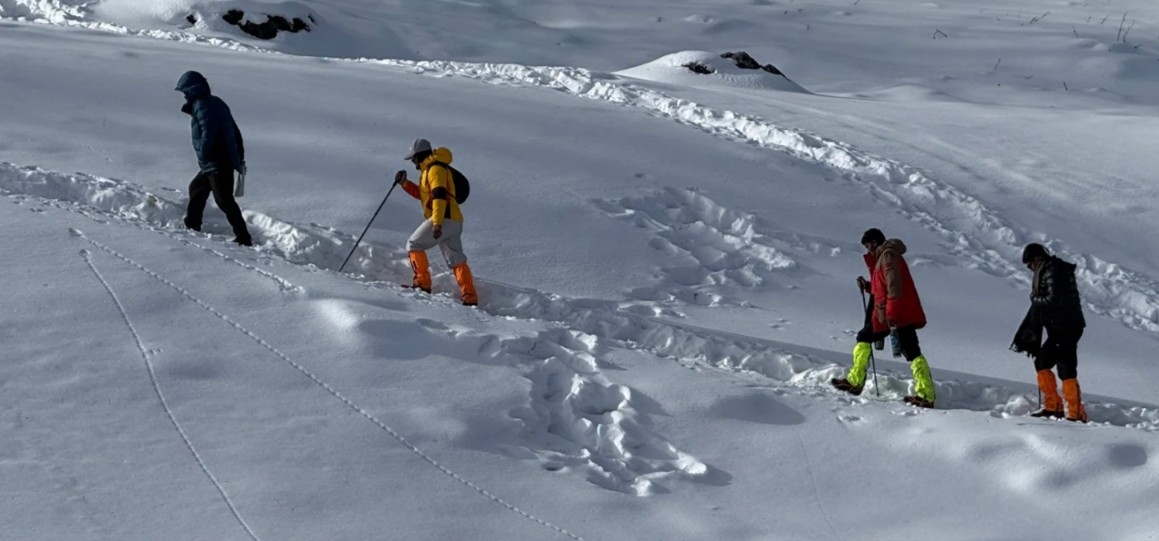
Best Months to Visit Kuari Pass Trek
The Kuari Pass Trek is generally suitable during two main trekking seasons: spring and autumn, along with winter departures when conditions allow. March to April offers snow in some sections and the start of spring, while May to June brings greener trails and pleasant daytime weather. September to November is another good period for clear mountain views and comfortable trekking conditions. December to February is mainly for people looking for a snow trek.
Here is a quick look at what each season offers.
1. Kuari Pass Trek in March and April
March and April are good months for people who want to enjoy both snow and the early signs of spring. During March, higher sections of the trail may still have snow from the winter months. The lower areas start becoming warmer, and forests slowly return to life.
April brings more pleasant weather during the day. You may see blooming flowers, green patches, and snow on the higher mountain slopes. The forests around the trail look fresh, making the journey enjoyable for nature lovers.
However, snow conditions can be different every year. Some sections may have more snow, while others may become clear earlier. Trekkers should carry warm clothes and proper shoes with good grip.
Why visit during these months?
Enjoy a mix of snow and spring views.
Experience pleasant daytime temperatures.
Walk through forests and mountain villages.
Get beautiful views of snow-covered Himalayan peaks.
2. Kuari Pass Trek in May and June
May and June are popular months for trekking in the Kuari Pass region. By this time, most lower and middle sections of the trail become clear of winter snow. The weather is generally comfortable for walking, with cool mornings and pleasant afternoons.
The forests look green, and the open meadows provide beautiful views of the surrounding mountains. You can enjoy long walking days without dealing with heavy winter snow in most areas.
June can bring occasional rain as the monsoon season approaches, especially towards the end of the month. It is always better to check the weather forecast before starting the trek.
These months are a good choice for beginners who want to experience mountain trekking without the challenges of deep winter snow.
Why visit during these months?
Pleasant weather for long walks.
Green forests and open mountain views.
Less snow on most trekking sections.
Good conditions for enjoying the natural beauty of the region.
3. Kuari Pass Trek in July and August
July and August fall during the monsoon season in Uttarakhand. These months are generally not recommended for the Kuari Pass Trek because the region receives regular rainfall.
Rain can make the trekking paths slippery and increase the risk of landslides on mountain roads. Clouds may also cover the Himalayan peaks, reducing visibility and affecting mountain views.
The forests and meadows become very green during this period, but the weather can be difficult to predict. Travel delays and roadblocks are also possible in the monsoon season.
If you are planning a trek during these months, check the latest local weather and road conditions. It is better to choose a safer trekking period if possible.
4. Kuari Pass Trek in September and October
September and October are among the best months to visit Kuari Pass. After the monsoon season, the skies often become clearer, and the views of the Himalayan mountains improve.
September brings fresh greenery to the forests and meadows. The air feels fresh, and the landscape looks beautiful after the rains. However, some trails may remain wet in early September, so checking local conditions is important.
October is a great month for people who want clear mountain views and comfortable trekking weather. The chances of seeing the major Himalayan peaks are often better during this period. The forests start changing colour, and the open meadows offer a different kind of beauty.
The nights become colder, especially at higher campsites, so carrying warm layers is important.
Why visit during these months?
Better chances of clear mountain views.
Fresh landscapes after the monsoon.
Comfortable daytime trekking conditions.
Beautiful views of Nanda Devi and other Himalayan peaks.
5. Kuari Pass Trek in November
November is another good month for trekkers who enjoy quiet mountain trails and clear weather. The monsoon has passed, and the skies are often clear. The temperature starts dropping, especially during the early morning and night.
The forests may look less green than they do during spring, but the mountain views can be excellent. You can enjoy peaceful surroundings and beautiful views of the Himalayan ranges.
Snowfall is possible towards the end of November, depending on the weather. However, regular snow cover is not guaranteed during this month.
If you are visiting in November, pack proper winter clothing, gloves, woollen socks, and a warm jacket.
6. Kuari Pass Trek in December, January and February
Winter is a special time to visit Kuari Pass for people who want to experience snow trekking. During December, snowfall may begin in the higher areas, and the temperature drops quickly.
January is usually one of the coldest months. The trail may have deep snow, especially at higher sections. Forests, campsites, and open meadows can get covered in white snow, creating beautiful winter views.
February also offers a chance to enjoy snow-covered trails. However, snowfall and trail conditions can change from one week to another.
Winter trekking needs proper preparation. Good trekking shoes, warm clothes, gloves, sunglasses, and waterproof layers are important. Trekkers should also travel with an experienced team that understands winter trail conditions.
Why visit during winter?
Experience snow-covered forests and meadows.
Enjoy a different view of the Himalayas.
Walk through beautiful winter landscapes.
Get a chance to experience a proper snow trek.
Which Is the Best Month for Kuari Pass Trek?
The best month depends on your personal choice and the kind of experience you want.
March and April: Best for a mix of snow, spring weather, and mountain views.
May and June: Best for green forests, pleasant weather, and regular trekking conditions.
September and October: Best for clear mountain views and fresh landscapes.
November: Best for peaceful trails and cold-weather trekking.
December to February: Best for people looking for a snow trekking experience.
July and August: Generally avoid because of monsoon rain and difficult trail conditions.
For first-time trekkers, April, May, and October can be good choices, depending on the weather and trail conditions.
What Should You Pack for the Kuari Pass Trek?
Your packing list should depend on the month you choose. The weather in the mountains can change quickly, so carrying the right clothes and basic trekking items is important.
Here are some useful things to carry:
A warm jacket and thermal wear.
Comfortable trekking pants and quick-dry clothes.
Good-quality trekking shoes with proper grip.
Woollen socks, gloves, and a warm cap.
A raincoat or waterproof jacket.
Sunglasses and sunscreen.
A reusable water bottle.
Personal medicines and basic first-aid items.
A headlamp and extra batteries.
During winter, you may need additional warm layers and equipment based on the snow conditions.
Final Thoughts
Kuari Pass is a beautiful Himalayan trek that offers something different in every season. Spring brings a mix of snow and fresh greenery, summer offers pleasant walking conditions, autumn gives clear mountain views, and winter turns the trail into a snow-covered landscape.
If you want the best chance of enjoying clear mountain views, September and October are excellent choices. If you want to experience snow, consider planning your trek between December and March, depending on snowfall and trail conditions.
Before making your plans, check the latest weather updates, road conditions, and trek availability. You can also explore the Kuari Pass Trek Package by Mount Walkers to plan your journey with a suitable itinerary, experienced trek leaders, and the support needed for a safe mountain experience