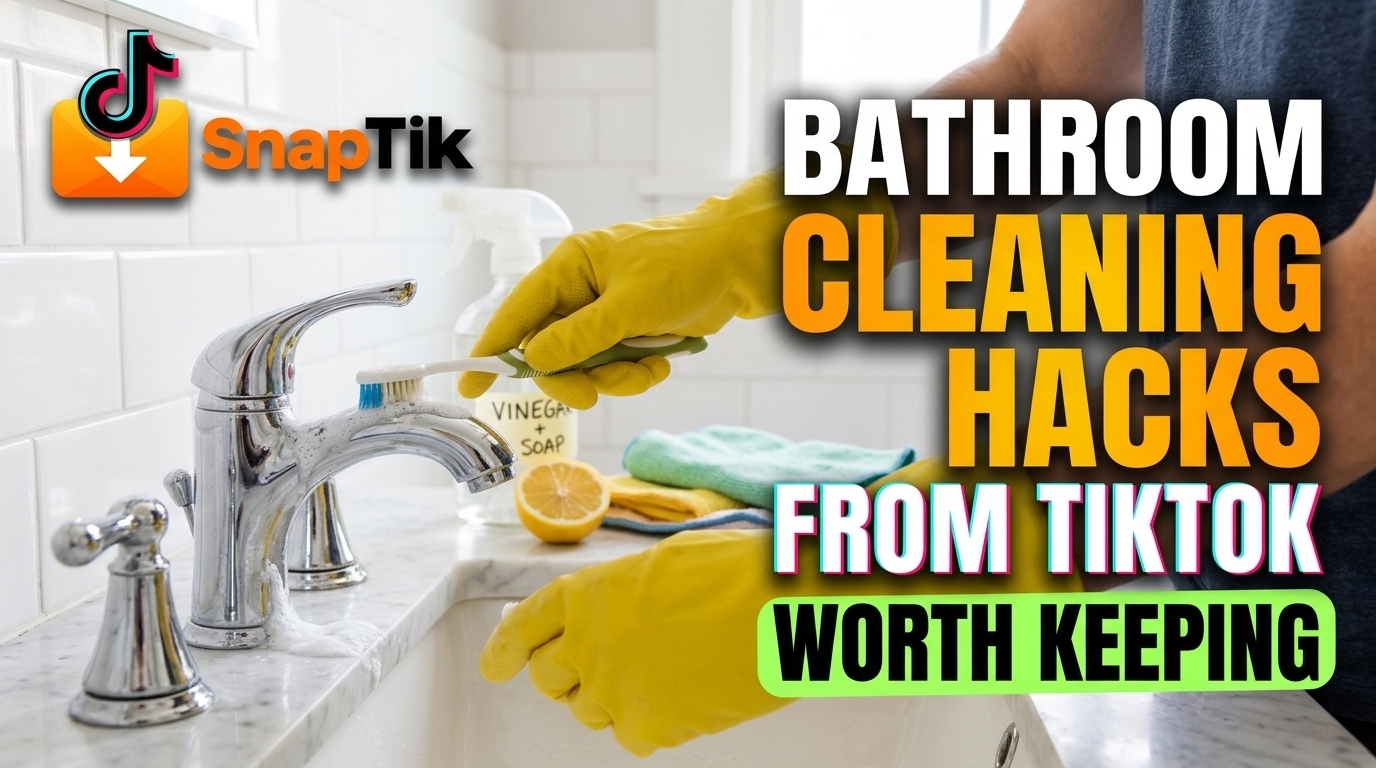
Keeping a bathroom clean can feel like a never ending task, especially when soap stains, watermarks, unpleasant smells, and dust start collecting in different areas. Regular cleaning helps maintain a fresh environment, but using the right techniques can make the process much easier. You do not always need expensive cleaning products or professional equipment to achieve good results.
Many people discover practical household cleaning ideas through short online videos. These tutorials demonstrate simple methods for cleaning bathroom tiles, removing stubborn stains, organizing toiletries, and keeping sinks looking fresh. Some techniques are surprisingly easy to follow and require products that are already available at home.
The best approach is to find cleaning methods that are practical, safe, and suitable for your bathroom surfaces. Not every popular trick works for every situation, so it is important to understand the products and instructions before trying something new.
Whether you clean your bathroom every day or prefer a weekly routine, a few useful techniques can help you save time and maintain a more comfortable space.
1. Remove Soap Scum From Bathroom Tiles
Soap scum is one of the most common problems in bathrooms. It develops when soap residue combines with minerals from hard water and collects on tiles, shower walls, and glass doors. Over time, these deposits can make bathroom surfaces look dull and dirty.
A simple cleaning routine can help prevent this buildup. Start by rinsing the affected surface with warm water to loosen light residue. Then use a suitable bathroom cleaner and a nonabrasive sponge to remove the remaining deposits.
For regular maintenance, consider these practical steps:
Rinse shower walls after using soap or shampoo.
Use a microfiber cloth to remove excess water.
Clean tile surfaces regularly instead of waiting for heavy buildup.
Pay attention to corners where soap residue collects.
Use a soft brush for grout lines and difficult areas.
Some cleaning tutorials demonstrate using vinegar for certain mineral deposits. However, vinegar should not be used on natural stone, marble, or other acid sensitive materials because it can damage their surfaces.
Always check the manufacturer's cleaning instructions before applying a product. Avoid mixing different cleaning chemicals, particularly bleach with vinegar or ammonia, because dangerous gases can develop.
Regular maintenance is usually easier than removing several weeks of accumulated soap scum. A few minutes of cleaning after a shower can make a noticeable difference.
2. Make Bathroom Mirrors and Glass Shine
Bathroom mirrors often develop water spots, toothpaste marks, fingerprints, and streaks. These small marks can make an otherwise clean bathroom look untidy.
The easiest way to maintain a clear mirror is to use a clean microfiber cloth and an appropriate glass cleaner. Spray the cleaner onto the cloth rather than directly onto the mirror to prevent liquid from entering the edges.
Follow these simple steps:
Remove loose dust using a dry microfiber cloth.
Apply a small amount of glass cleaner to another clean cloth.
Wipe the mirror using overlapping movements.
Use a dry section of the cloth to remove remaining moisture.
Check the mirror from different angles to identify any remaining streaks.
You can use the same basic approach for suitable shower glass surfaces, provided the cleaning product is designed for that material.
Another helpful habit is keeping a small squeegee near the shower. After bathing, use it to remove excess water from glass doors and walls. This reduces water spots and makes regular cleaning easier.
Avoid using rough materials that can scratch delicate surfaces. Also, remember that some mirrors have special coatings that require specific cleaning products.
A clean mirror improves the appearance of the entire bathroom. With regular attention, you can prevent stubborn marks from becoming difficult to remove.
3. Clean Bathroom Grout and Difficult Corners
Grout lines between bathroom tiles can collect dirt, moisture, and soap residue. Because these spaces are narrow, ordinary wiping may not remove everything. This is why grout cleaning often requires a little extra attention.
Start by identifying the type of grout and checking which cleaning products are suitable. A grout cleaning solution and a soft nylon brush can help remove ordinary dirt without damaging surrounding tiles.
Use the following approach:
Apply a suitable grout cleaner according to its instructions.
Allow the recommended contact time.
Gently scrub the grout with a soft brush.
Rinse the area thoroughly if the product requires rinsing.
Dry the surface using a clean cloth.
For difficult corners, an old soft toothbrush can help reach areas around taps, shower fittings, and the edges of sinks. However, avoid using metal brushes or sharp objects because they may scratch surfaces or damage grout.
Good ventilation is also important when cleaning bathrooms. Open a window or switch on the exhaust fan when possible. This helps reduce moisture and allows surfaces to dry more effectively.
If you notice persistent black spots, damaged grout, or recurring moisture problems, ordinary cleaning may not be enough. The underlying issue could involve poor ventilation, leaks, or mold growth. Addressing the source is more effective than repeatedly cleaning the visible marks.
4. Save Useful Bathroom Cleaning Tutorials for Later
Sometimes, the biggest challenge is not finding cleaning products but remembering the right way to use them. Short instructional videos can demonstrate practical techniques for cleaning showerheads, removing watermarks, organizing bathroom shelves, and maintaining different surfaces.
Instead of searching for the same instructions every time you need them, you can keep useful tutorials saved on your device for future reference.
Discovering useful bathroom cleaning techniques is easier when you save practical tutorials for later. SNaptIk helps you keep helpful videos available for future reference. You can save tutorials about removing soap stains, cleaning bathroom tiles, polishing mirrors, and organizing bathroom spaces. These saved ideas make it easier to follow effective cleaning routines whenever needed.
Once you have saved a few helpful tutorials, organize them into separate folders. You might create categories such as Tile Cleaning, Mirror Maintenance, Shower Cleaning, and Bathroom Organization.
This makes it easier to find a particular technique when you need it. You can also write down important cleaning instructions so that you do not have to watch the entire video again.
Always check the safety instructions before following a cleaning demonstration. Never combine household chemicals simply because a video recommends doing so. Use products according to their labels and make sure they are appropriate for the surfaces in your bathroom.
5. Keep Bathroom Sinks and Faucets Free From Stains
Bathroom sinks are used several times throughout the day, making them one of the most frequently touched areas in the house. Toothpaste, soap, hair products, and water deposits can quickly collect around the basin and faucet.
A simple daily cleaning habit can prevent these materials from building up. After using the sink, rinse away visible residue and wipe the surface with a soft cloth.
For deeper cleaning, use a bathroom cleaner that is suitable for your sink material. Apply it according to the manufacturer's instructions and pay attention to the areas around the drain and faucet base.
Faucets may also develop mineral deposits from hard water. A suitable limescale remover can help with these marks, but always check whether it is safe for the faucet's finish.
Here are a few useful maintenance habits:
Wipe the sink after brushing your teeth.
Remove toothpaste residue before it dries.
Dry faucet surfaces to reduce water spots.
Clean around the drain regularly.
Keep personal care products organized.
Avoid abrasive cleaning pads on polished or coated faucets because they may leave permanent scratches. A soft microfiber cloth is usually a better choice for everyday maintenance.
These small actions can keep your sink looking cleaner without requiring a complete bathroom cleaning session every day.
6. Create a Simple Bathroom Cleaning Schedule
One reason bathrooms become difficult to maintain is that people often wait until everything needs cleaning at once. Creating a simple schedule can make the workload more manageable.
You do not need to spend an entire afternoon cleaning every surface. Dividing responsibilities across different days helps prevent dirt and moisture from accumulating.
For example, your weekly routine could include:
Daily tasks: Rinse the sink, remove visible toothpaste marks, hang towels properly, and keep personal products organized.
Twice a week: Wipe bathroom mirrors, clean frequently touched surfaces, and check the floor for dust or hair.
Weekly tasks: Clean the toilet, wash the sink, scrub shower surfaces, and mop the bathroom floor.
Monthly tasks: Inspect grout lines, clean less accessible corners, organize storage cabinets, and check for leaks or ventilation problems.
Adjust this schedule according to how frequently your bathroom is used. A family bathroom may need more frequent attention than a bathroom used by one person.
Keeping basic cleaning supplies in an organized location also saves time. Store suitable cleaners, microfiber cloths, gloves, and brushes together so that everything is easy to find.
Make Bathroom Maintenance Easier With Consistent Habits
A clean bathroom does not require complicated routines or expensive products. The most effective approach is to understand your bathroom surfaces, choose suitable cleaning methods, and deal with small messes before they become difficult problems.
Simple habits such as wiping mirrors, drying faucets, rinsing shower walls, and keeping toiletries organized can reduce the amount of deep cleaning required.
You can also learn new techniques by exploring practical household tutorials and saving the ones that provide useful instructions. Try one method at a time, follow product safety guidelines, and avoid techniques that could damage your bathroom materials.
With a little consistency, bathroom cleaning becomes a more manageable part of your regular household routine.