
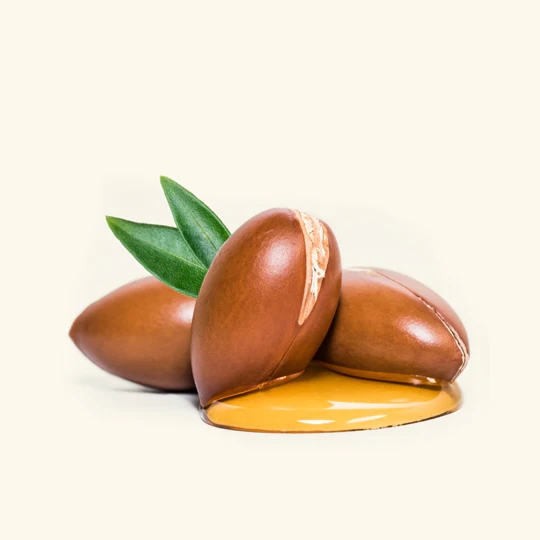
Argan oil has become a popular ingredient in skincare and haircare routines because of its lightweight texture and versatile nature. Extracted from the kernels of the argan tree, this plant-based oil is commonly used in facial oils, moisturizers, hair treatments, conditioners, body products, and DIY beauty formulations.
Rich in fatty acids and naturally occurring vitamin E, argan oil can be incorporated into routines designed to moisturize and condition the skin and hair. It can also be used on its own or combined with other cosmetic ingredients, depending on the desired application.
In this guide, we will explore five practical ways argan oil can support skin and hair care and how to incorporate it into everyday beauty routines.
What Is Argan Oil?
Argan oil is a plant-derived oil obtained from the kernels of the argan tree, which is native to Morocco. The oil has traditionally been used in culinary and personal care applications. Today, it is widely recognized as a cosmetic ingredient and is found in many skincare and haircare products.
The composition of argan oil includes fatty acids such as oleic acid and linoleic acid, along with naturally occurring compounds such as vitamin E. These components contribute to the oil's conditioning and moisturizing properties.
Its relatively light texture makes it convenient for different applications. Depending on the formulation, argan oil can be used in facial oils, body oils, hair serums, massage blends, creams, lotions, and other personal care products.
Because every skin and hair type is different, it is useful to introduce any new cosmetic ingredient gradually and observe how your skin or hair responds.
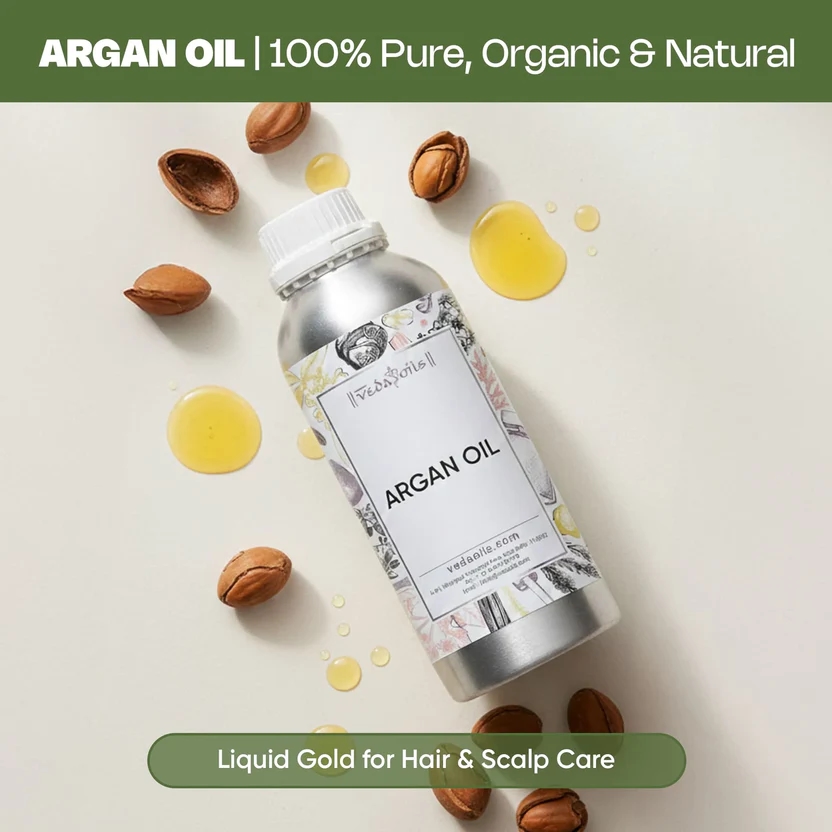
1. Helps Moisturize and Condition the Skin
One of the most common reasons people use argan oil in skincare is its ability to provide emollient moisture. An emollient helps soften and smooth the skin by supporting the skin's surface and reducing the feeling of dryness.
Argan oil contains fatty acids that can help leave the skin feeling softer and more conditioned. This makes it a useful ingredient for people who want to add an oil-based product to their skincare routine.
A few drops can be applied as part of a facial oil routine, or argan oil can be included in a properly formulated moisturizer or serum. It can also be blended with other carrier oils to create a customized facial or body oil.
For those with dry-feeling skin, using an oil after a water-based moisturizer can be one way to create a more comfortable skincare routine. However, using more oil does not necessarily mean better results. A small amount is generally enough to cover the skin without leaving an excessively greasy finish.
When using argan oil on the face for the first time, a patch test is a sensible precaution, particularly if you have sensitive skin or frequently react to new cosmetic products.
2. Supports Softer and Smoother-Looking Skin
Beyond basic moisturization, argan oil can be useful when the goal is to improve the feel and appearance of dry or rough skin.
Environmental factors such as dry weather, frequent washing, and exposure to air conditioning can leave the skin feeling tight or rough. An oil-based product can help condition the skin and provide a smoother-feeling surface.
Argan oil can be used on areas such as the hands, elbows, knees, and other parts of the body that tend to feel dry. It can also be incorporated into body oils, lotions, and handmade skincare formulations.
For DIY users, argan oil can be combined with compatible ingredients to create simple body-care products. For example, it can be used as part of a body oil blend alongside other carrier oils.
It is important to distinguish cosmetic conditioning from medical treatment. Argan oil can contribute to softer, moisturized skin, but it should not be considered a treatment for skin diseases or persistent irritation. If you experience ongoing redness, itching, inflammation, or other skin concerns, professional medical advice is more appropriate.
3. Helps Condition Dry and Rough Hair
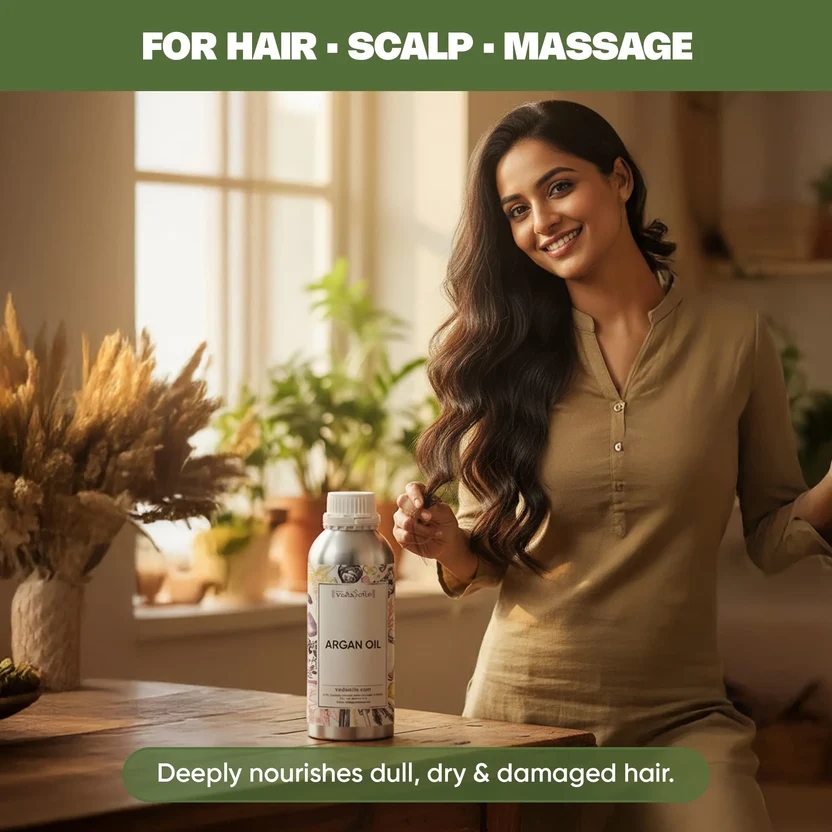
Argan oil is also widely used in haircare. Hair can become dry or rough due to heat styling, coloring, environmental exposure, frequent washing, and other forms of mechanical or chemical stress.
Applying a small amount of argan oil to the lengths and ends of the hair can provide conditioning and help improve the feel of dry strands. Its oily nature can also add a smoother appearance to the hair.
One simple approach is to warm a few drops between your palms and lightly distribute the oil through the mid-lengths and ends. People with fine hair may prefer using a very small amount, while thicker or drier hair may tolerate more.
Argan oil can also be included in homemade hair masks or blended with other cosmetic oils. When creating DIY formulations, it is important to consider the characteristics and proportions of all ingredients rather than simply combining products randomly.
Another option is to use argan oil as a finishing product after styling. A small amount can help give the hair a conditioned appearance without requiring a complicated routine.
4. Can Help Improve the Appearance of Dry Hair Ends
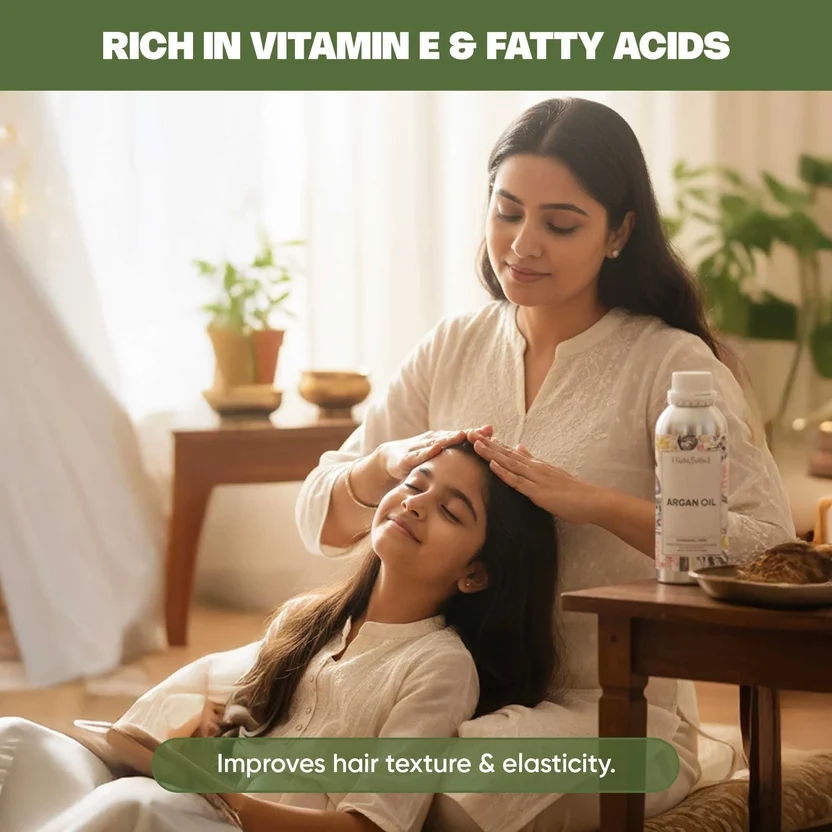
Split, dry, or rough-looking ends are common concerns, especially for people who regularly use heat styling tools or chemical treatments. While cosmetic oils cannot permanently repair a split hair fiber, they can help improve the appearance and feel of dry ends.
Argan oil can coat and condition the hair surface, making the ends feel smoother and appear more polished. This is one reason it is commonly included in hair serums, leave-in treatments, and conditioning products.
For everyday use, only a small quantity may be needed. Applying too much can make the hair look oily or weighed down, particularly when the hair is fine.
A practical routine is to place one or two drops of argan oil in the palms, rub the hands together, and gently apply the oil to the ends. It can be reapplied when needed, depending on the hair's texture and overall condition.
Regular trimming is still important for maintaining healthy-looking hair because cosmetic products cannot permanently reverse physical damage to the hair shaft.
5. Provides a Versatile Ingredient for DIY Beauty Formulations
Another useful aspect of argan oil is its versatility. Instead of being limited to a single application, it can be incorporated into different personal care formulations.
For skincare, argan oil may be used in:
Facial oils
Body oils
Moisturizing blends
Massage oils
Hand and body care products
DIY beauty formulations
For haircare, it can be included in:
Hair oils
Conditioning treatments
Hair masks
Hair serums
Scalp and hair oil blends
Argan oil can also be combined with other carrier oils depending on the desired texture and application. For example, someone looking for a lighter-feeling blend may choose ingredients with different textures rather than relying on a single oil.
VedaOils is one example of a supplier that offers argan oil for personal care and DIY formulation purposes. When sourcing argan oil for a formulation, it is useful to review the product's specifications, intended cosmetic use, storage instructions, and ingredient information before incorporating it into a finished product.
For anyone creating products for sale, formulation requirements are more important than simply following a DIY recipe. Stability, preservation, packaging compatibility, labeling, and appropriate testing should all be considered.
How to Use Argan Oil in a Skincare Routine
Argan oil can be incorporated into a skincare routine in several simple ways.
For a basic facial oil routine, apply a small amount to clean, slightly damp skin. The oil can be used after a water-based skincare product, depending on your routine and personal preference.
For body care, argan oil can be applied to areas that feel dry after bathing. It can also be added to a body oil blend with other suitable carrier oils.
When using argan oil for the first time, start with a small quantity. This helps you understand how your skin responds and whether you like the texture.
People with acne-prone or sensitive skin should be particularly attentive to how their skin reacts to any new oil. If irritation develops, discontinue use.
How to Use Argan Oil for Hair
There are several ways to add argan oil to a haircare routine.
One of the simplest methods is using it as a finishing oil. Apply a small quantity to the palms and distribute it through the mid-lengths and ends of clean, dry or slightly damp hair.
It can also be used before washing as part of an oil-based hair treatment. Another option is incorporating it into a homemade haircare formulation with other suitable ingredients.
The amount needed depends on hair length, thickness, texture, and dryness. Starting with a small amount is generally preferable because additional oil can always be added if needed.
Avoid applying excessive amounts directly to the scalp unless the product is specifically intended for scalp use and your skin tolerates it.
Choosing Quality Argan Oil
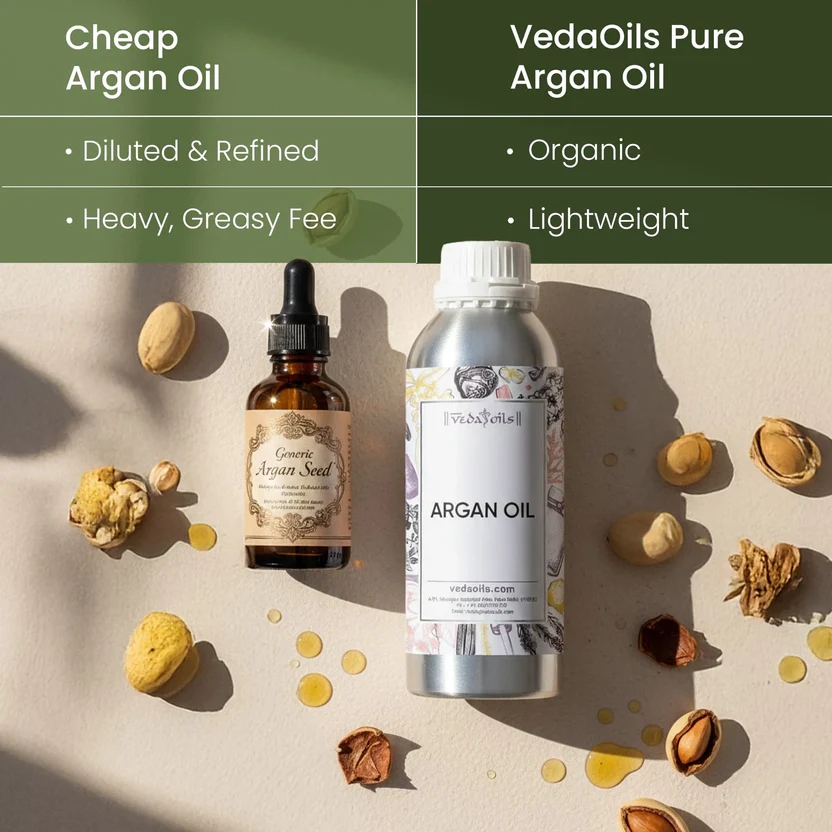
Not all oils are identical, so checking product information is important when selecting argan oil for personal care.
Look for clear ingredient information and details about the intended use. Packaging and storage also matter because plant oils can gradually oxidize when exposed to heat, light, and air.
A quality argan oil should be stored according to the supplier's recommendations, generally away from excessive heat and direct sunlight. Keeping the container properly closed can also help reduce unnecessary exposure to air.
For DIY formulators, it is helpful to consider the oil's intended application before purchasing. A product intended for cosmetic formulation should be selected based on its specifications and suitability for the intended use.
Argan Oil vs. Other Carrier Oils
Argan oil is one of many carrier oils used in skincare and haircare. Jojoba oil, sweet almond oil, coconut oil, grapeseed oil, and olive oil are also commonly used in personal care formulations.
Each oil has its own fatty acid profile, texture, absorption characteristics, and overall feel. This means there is no single carrier oil that is ideal for every person or every formulation.
Argan oil is often chosen when a relatively smooth, conditioning oil is desired. Jojoba oil, for example, has a different composition and feel, while grapeseed oil is often selected for lighter formulations.
The best choice depends on the product being created, the desired texture, the intended application, and individual preferences.
Things to Keep in Mind
Although argan oil is widely used in cosmetics, it is not suitable for everyone. Individual reactions to cosmetic ingredients can vary.
Before applying it extensively, consider performing a patch test on a small area of skin. If you experience irritation, burning, redness, or discomfort, stop using the product.
It is also important to avoid treating cosmetic oils as substitutes for medical care. Argan oil can be useful for conditioning and moisturizing, but it should not be presented as a cure for skin or hair disorders.
For DIY formulations, use clean equipment and appropriate ingredients. If a formulation contains water-based ingredients, preservation becomes especially important because microorganisms can grow in improperly preserved products.
Final Thoughts
Argan oil is a versatile plant-based ingredient that can fit into both simple beauty routines and more advanced DIY formulations. Its fatty acids and naturally occurring vitamin E make it useful for conditioning the skin and hair, while its smooth texture allows it to be used in facial oils, body products, hair treatments, and other personal care formulations.
The five main benefits discussed here include supporting skin moisturization, helping soften dry-feeling skin, conditioning dry hair, improving the appearance of rough hair ends, and providing a flexible ingredient for DIY beauty projects.
Whether you use argan oil on its own or incorporate it into a formulation, moderation and consistency are important. Choosing a suitable product, storing it properly, and paying attention to how your skin and hair respond can help you make the most of this versatile cosmetic oil.