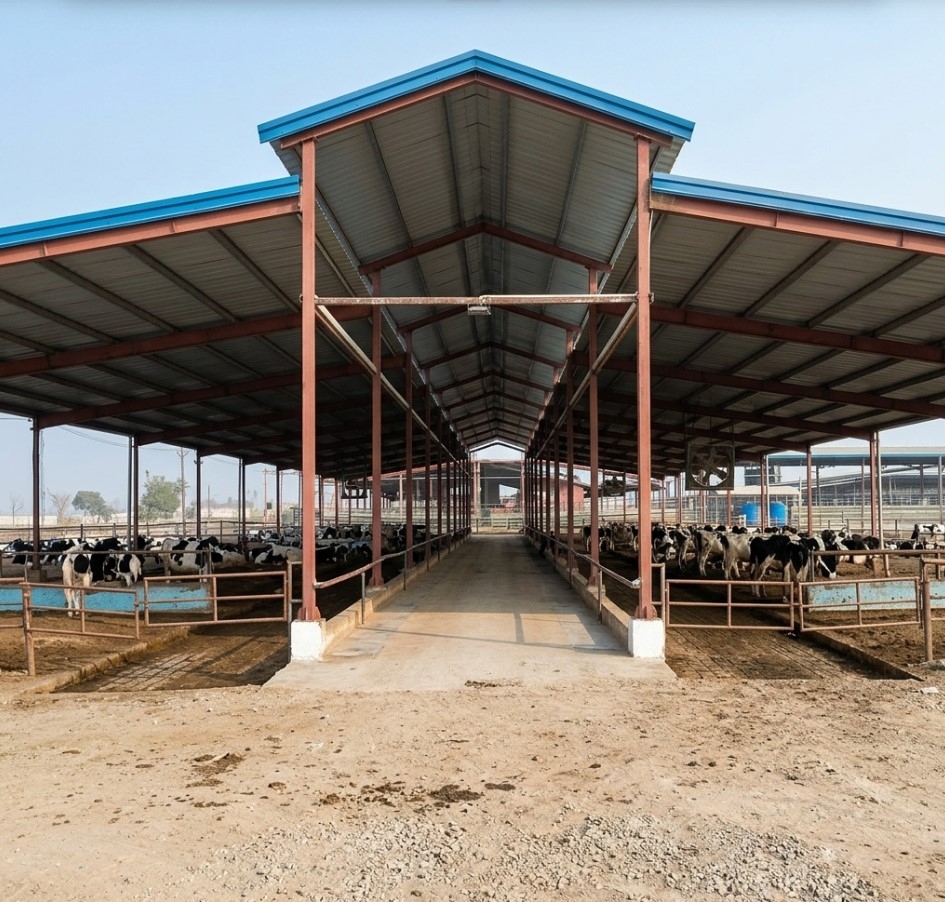
Agriculture requires more than productive land and modern machinery. Farmers also need reliable buildings to protect equipment, store harvested crops, shelter livestock and support everyday farm operations. Choosing the right agricultural building can improve organization, protect valuable resources and make farm management more efficient.
Steel construction and prefabricated building systems offer several options for developing practical agricultural facilities. Their suitability depends on the intended use, local climate, available space and project budget.
What Are Agricultural Sheds?
Agricultural sheds are covered structures designed to support farming and related activities. They can range from simple open-sided shelters to enclosed steel buildings with specialized storage and ventilation systems.
Modern Agricultural Sheds can be designed for different farming requirements, including:
Storage of tractors and agricultural machinery
Protection of harvested crops and farm supplies
Storage of animal feed and fertilizers
Livestock shelter and covered working areas
Storage of hay, straw and other agricultural materials
Workshops for equipment maintenance
The design should reflect the specific activity taking place inside the building.
Common Types of Agricultural Sheds
1. Machinery Storage Sheds
Agricultural machinery represents a significant investment. Tractors, harvesters, trailers and other equipment need protection from rain, sunlight and environmental exposure.
Machinery sheds are generally designed with sufficient height, wide access openings and suitable floor space to accommodate equipment movement.
2. Crop Storage Sheds
Crop storage buildings provide covered areas for agricultural produce and harvested materials. Depending on the type of crop, the building may require ventilation, moisture management, pest protection and specific storage conditions.
3. Hay and Straw Storage Sheds
Hay and straw need protection from rain and excessive moisture. Open-sided or partially enclosed sheds may be suitable for some storage arrangements, provided that ventilation, drainage and fire-safety requirements are addressed.
4. Livestock Sheds
Livestock buildings require careful planning to provide suitable shelter and animal comfort. Ventilation, drainage, flooring, feeding arrangements and access to water are important design considerations.
5. Fertilizer and Agricultural Supply Storage
Fertilizers, tools, packaging materials and other farm supplies may require separate enclosed storage areas. The building should account for product-specific storage instructions and any applicable environmental and safety requirements.
Why Is Steel Used for Agricultural Shed Construction?
Steel is widely used in agricultural and industrial buildings because it can be fabricated into different structural configurations.
Structural Strength
A properly engineered steel frame can support the roof and other building loads. Member sizes and connections must be selected according to the building dimensions, intended use and environmental conditions.
Flexible Building Layouts
Steel structures can be designed with different spans, heights and access arrangements. This allows farmers to plan space around machinery, storage systems and daily operations.
Factory Fabrication
Steel components can be cut, drilled, welded and prepared before being transported to the farm. This can help organize fabrication and site installation.
Potential for Expansion
Some steel shed systems can be extended when future expansion is considered in the original design. Any proposed modification should be checked by a qualified engineer.
Important Design Considerations for Agricultural Sheds
An agricultural shed should be designed according to its purpose rather than simply selecting a standard size.
Building Dimensions and Clear Height
The required dimensions depend on the equipment, stored materials or livestock. Machinery sheds may need large entrances and additional clearance, while crop storage buildings may require different internal arrangements.
Ventilation
Ventilation is especially important in livestock buildings and certain crop storage facilities. Poor airflow can contribute to excessive heat, humidity and unsuitable indoor conditions.
Roofing and Rainwater Drainage
Roofing materials should suit the local climate and intended application. Roof slope, gutters and downpipes should be designed to manage rainfall and reduce water accumulation.
Foundations and Ground Conditions
Foundation design depends on soil conditions, structural loads and site requirements. Ground preparation and drainage around the building are also important.
Wind and Environmental Loads
Agricultural buildings can be exposed to strong winds and severe weather. The structural design should consider local wind conditions, roof uplift, bracing, anchoring and other relevant loads.
Fire Safety
Buildings used for storing hay, straw, fuel or agricultural materials may have specific fire risks. Appropriate separation, access, electrical installation and fire-safety arrangements should be considered.
Corrosion Protection
Agricultural environments can expose steel to moisture, dust, chemicals and other potentially corrosive conditions. Suitable protective coatings and maintenance practices should be selected for the expected exposure.
Agricultural Sheds: Steel Construction vs. Traditional Building Methods
Both steel and conventional construction methods can be appropriate for agricultural projects.
Factor | Steel Agricultural Shed | Conventional Construction |
|---|---|---|
Structural system | Steel columns, rafters and supporting members | Commonly masonry or reinforced concrete |
Building layout | Can accommodate different spans and heights | Depends on the selected structural system |
Fabrication | Components can be prepared off-site | Much of the work may take place on-site |
Installation | Fabricated components are assembled at the location | Often involves multiple construction stages |
Future modifications | Possible for selected designs with engineering review | May require more extensive structural work |
Typical applications | Machinery storage, workshops and large covered areas | Enclosed agricultural buildings and other facilities |
The best choice depends on the project requirements, local building regulations, budget and expected service life.
How Much Do Agricultural Sheds Cost?
The cost of an agricultural shed varies according to its size, structural design and intended application. There is no single price suitable for every farm project.
Important cost factors include:
Building length, width and height
Structural span and column spacing
Steel grade and member specifications
Roofing and wall cladding materials
Foundation and ground preparation
Ventilation and insulation requirements
Doors and access openings
Transportation and installation
Site accessibility and labor requirements
For an accurate quotation, provide the building dimensions, location, intended use and preferred specifications. Comparing quotations with the same scope of work helps identify differences in materials and included services.
Maintenance of Agricultural Steel Sheds
Regular maintenance can help preserve the condition of an agricultural building.
Inspect roof and wall sheets for damage or leakage.
Keep gutters and drainage outlets clear.
Check steel members and connections for visible damage.
Maintain protective coatings where necessary.
Inspect doors, hinges and access systems.
Monitor moisture around foundations.
Arrange professional inspections when structural damage or modifications are identified.
Maintenance frequency depends on the building's environment, materials and usage.
Choosing the Right Agricultural Shed
Before selecting a design, farmers should identify the main purpose of the building. A machinery shelter has different requirements from a livestock facility or crop storage building.
Consider the following questions:
What equipment, materials or animals will the building accommodate?
What dimensions and clear height are required?
Will the structure need to be open-sided or fully enclosed?
What ventilation and drainage arrangements are necessary?
What weather conditions must the structure withstand?
Is future expansion likely?
What approvals and safety requirements apply at the location?
Answering these questions can help establish a suitable design and prevent unnecessary construction costs.
Conclusion
Agricultural sheds provide essential covered space for machinery, crops, livestock and farm supplies. Steel construction offers flexible structural options for many agricultural applications, while prefabricated systems can help coordinate manufacturing and on-site installation.
However, a successful agricultural building depends on more than its structural frame. Ventilation, drainage, foundations, roofing, fire safety and environmental conditions all influence its performance.
By planning these requirements carefully, farmers can select an agricultural shed that supports their operations and provides practical long-term value.