
Maintaining proper hand hygiene is essential in commercial environments such as offices, hotels, restaurants, hospitals, and shopping malls. Installing a suitable soap dispenser makes handwashing more convenient while helping businesses maintain clean and organised washroom facilities. However, choosing the right model requires more than considering its appearance or price.
A commercial soap dispenser should offer reliable performance, convenient operation, and easy maintenance. Before installing one, businesses should evaluate several important features to ensure it meets their daily requirements.
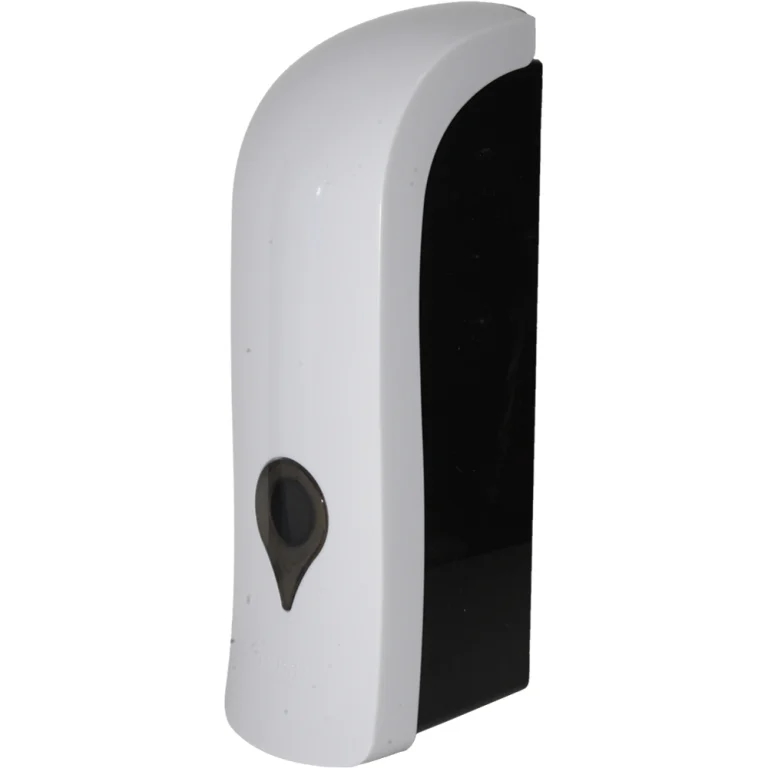
1. Dispenser Type and Operating Mechanism
The first factor to consider is the operating mechanism. Commercial dispensers are generally available in manual and automatic designs.
Manual models use a push button or lever to release soap, making them suitable for offices, restaurants, and other everyday environments. Automatic dispensers use sensors to detect hand movements and release soap without direct contact.
Automatic options can be useful in high-traffic washrooms where reducing contact with shared surfaces is a priority. Select a mechanism based on user preferences, maintenance requirements, and available budget.
2. Soap Capacity and Refill Requirements
Capacity is another important feature, particularly in facilities with frequent visitors. A small dispenser may require repeated refilling in busy washrooms, increasing the workload for cleaning staff.
Before purchasing, estimate the daily soap consumption and select an appropriate container size. Larger-capacity models can be practical for shopping malls, hotels, hospitals, and commercial kitchens.
Also, check whether the dispenser has a removable container or an easy refill opening. Convenient refilling helps reduce maintenance time and prevents unnecessary interruptions.
3. Material Quality and Durability
Commercial washroom equipment experiences regular use, so material quality should not be overlooked. Dispensers made from durable plastic or stainless steel can offer different advantages depending on the installation environment.
Stainless steel models provide a professional appearance and are suitable for many modern commercial interiors. High-quality plastic options can be lightweight and practical for everyday applications.
Check the construction, surface finish, and overall strength before selecting a model. A durable unit can support regular operation and reduce replacement requirements.
4. Wall-Mounted or Countertop Installation
The installation design should match the available washroom space and layout. Wall-mounted dispensers help save countertop space and keep washbasin areas organised.
Countertop models offer greater flexibility because they can be positioned without permanent wall installation. They may be suitable for smaller facilities or locations where drilling is not preferred.
Consider the available space, wall material, accessibility, and proximity to the washbasin before finalising the installation position.
5. Compatibility with Different Soap Formulations
Not every dispenser supports every type of soap. Some models are designed specifically for liquid soap, while others can accommodate foam or other compatible formulations.
Using an unsuitable product may cause blockages, inconsistent dispensing, or damage to internal components. Always review the manufacturer's specifications and check the recommended soap viscosity before purchasing.
Choosing a compatible refill product helps maintain smooth operation and reduces unnecessary maintenance issues.
6. Ease of Cleaning and Maintenance
Regular cleaning is essential for maintaining hygiene and ensuring reliable performance. Select a dispenser with an accessible refill opening, removable components, and a surface that can be cleaned easily.
Automatic models should also provide convenient access to batteries or power connections. Staff should be able to inspect, clean, and refill the unit without complicated procedures.
A simple maintenance design helps businesses manage washroom facilities more efficiently.
Conclusion
Selecting the right commercial soap dispenser involves evaluating its operating mechanism, capacity, material quality, installation design, soap compatibility, and maintenance requirements. Each feature contributes to the overall convenience and performance of the unit.
By considering these factors before installation, businesses can choose suitable equipment that supports everyday hand hygiene, improves washroom organisation, and provides reliable service in busy commercial environments.




