
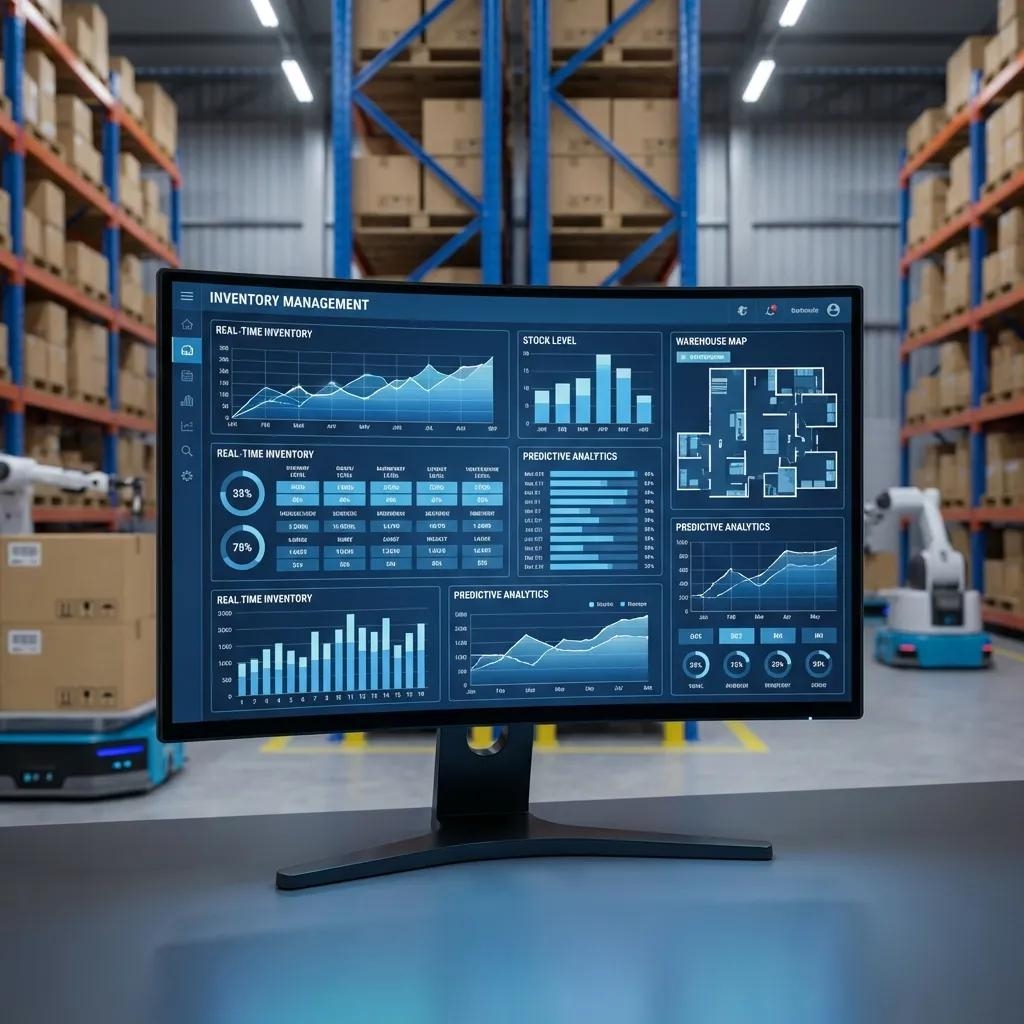
Inventory management plays an important role in the success of every trading business. Regardless of whether a company deals in electronics, construction material, spare parts or consumer product, ensuring that the right level of stocks is maintained is vital to its smooth operations and profitability. Nevertheless, there are numerous enterprises that have inventory-related issues, which add extra costs and influence customer satisfaction. The unnecessary financial losses can be caused by overstocking, shortages of stocks, inaccurate records and poor coordination of suppliers. Even minor mistakes in inventory can be an expensive affair when not addressed after the onset.
With the growth of trading businesses, it is more complex to manage stocks manually. Firms must find a more effective method of tracking the products, the movement of stocks and make sound buying decisions. Inventory Management Software in UAE can assist any business to automate the daily inventory operations, minimize errors committed by humans and keep precise records of stocks. By understanding common Inventory Management Mistakes in Trading Businesses , companies can identify operational weaknesses , control expenses , and improve overall efficiency . Below are ten pitfalls trading businesses can steer clear of in order to have enhanced inventory management.
1. Overstocking Products
Overstocking occurs when companies buy goods in excess of those that are required by their clients. Though holding additional inventory might be a viable idea, it raises storage expenses and consumes working capital.
The long shelf life of products might also result in outdated products, damaged goods or expired goods.
How to avoid it:
Examine the past sales and then make a purchase.
Establish upper limits of stocks.
Monitor slow-moving products.
Buy as per the real demand of the customer.
2. Understocking Popular Products
The lack of fast-moving products may lead to the loss of sales and dissatisfied customers. In the event that customers are unable to get the products that they require, they might go out to buy them in the competition.
This error normally occurs when companies do not keep track of inventory or have products re-ordered promptly.
How to avoid it:
Determine common products bought.
Establish minimum levels of stocks.
Monitor inventory regularly.
Keep safety stock of the necessary products.
3. Depending on Manual Inventory Records
There are many trading businesses, which continue to use spreadsheets and handwritten records to keep track of inventory. The approaches could pose challenges in cases where employees do not remember to update quantities or key in wrong information.
With hundreds or thousands of products, manual tracking also becomes challenging to businesses.
How to avoid it:
Automate inventory tracking.
Use barcode scanning.
Change the stock records each time a transaction is made.
Give appropriate inventory training to employees.
4. Ignoring Regular Stock Audits
The stock audits assist companies to equate physical stock with documented stock. Missing products, damaged goods and recording errors can be unnoticed unless the checks are made periodically.
Purchasing decisions and financial reports can also be impacted by erroneous records on inventory.
How to avoid it:
Physical stock counts, on a regular basis.
Compare system records with actual quantities.
Investigate inventory differences.
Have correct documentation of adjustments.
5. Poor Demand Forecasting
Demand forecasting assists the businesses in knowing the quantity of stock they will require in future. Ineffective forecasting may lead to unwarranted purchases or shortage of products.
The market, season of the year, preference of customers, and promotional changes can affect the sale of a product.
How to avoid it:
Research on past sales data.
Check on the seasonal buying patterns.
Consider market demand.
Regularly update purchasing plans.
6. Not Monitoring Slow-Moving Inventory
Slow moving products consume a lot of space in the warehouse and businesses are unable to utilize their working capital properly. Should companies overlook these products, then they might be rendered obsolete in the long run or lose value in the market.
Knowledge of products which are not selling well will assist the business to make improved buying decisions.
How to avoid it:
Review ageing of inventories reports.
Determine products that are not in demand.
Introduce promotions and offers.
Minimise future orders of slow moving products.
7. Poor Supplier Management
The suppliers have a direct impact on availability of inventory. Business operations can be influenced due to delayed deliveries, variations in quality of the product and price fluctuations.
The reliance on a single supplier may also lead to issues in case of the unavailability of products.
How to avoid it:
Evaluate supplier reliability.
Monitor delivery schedules.
Keep up relations with other suppliers.
Make communication of purchases clear.
8. Failing to Track Stock Across Multiple Locations
Companies that have multiple warehouses or branches require the right stock data at each of these locations. Unless this is adequately tracked, a warehouse could end up with superfluous products and the other one might run short.
This may cause a rise in transportation costs and postponement of customer orders.
How to avoid it:
Keep centralised inventory.
Trace stock movements between sites.
Monitor warehouse-specific quantities.
Institute standard stock management practices.
9. Ignoring Damaged and Returned Products
Broken, spoilt and returned goods may lead to discrepancy in inventory where they are not properly recorded. Companies can inadvertently add unsellable products in the quantity of stocks on sale.
It can also lead to a higher financial loss and customer complaints due to poor management of returns.
How to avoid it:
Check on returned goods.
Compart damaged goods and stock.
Immediate record product returns.
Keep straight procedures concerning replacements and refunds.
10. Not Using Inventory Data Effectively
The gathering of inventory data is not sufficient. Companies need to process the data they have to determine the buying behaviour, stock turnover and costs.
Without effective reporting, managers can stick with decision making that is based on inferences and not the performance of the business.
How to avoid it:
Keep track of inventory turnover.
Revise stock ageing reports.
Identify high-demand products.
Analyse costs of purchasing and storage.
Use inventory reports so as to make better business decisions.
Conclusion
Avoiding Inventory Management Mistakes in Trading Businesses is essential for controlling expenses and maintaining smooth operations. The issues of overstocking, understocking, inaccurate records, and misalignment with suppliers can influence the profitability and customer relations. Trading businesses must also check on their inventory processes and arrange stock audit, product demand and come up with clear regulations of handling warehouse operations regularly. These are just some of the things that could be done to lower some unwarranted costs and enable companies to have a better control of their products.
Inventory can also be made easier with the help of technology which will give the correct records, automated stock updates and improved reporting. Quickdice ae assists companies to enhance operational efficiency by offering business solutions which are based on technology. Companies can minimize losses in stocks, make better buying choices, and utilize their resources better by implementing the appropriate inventory practices and applying effective digital tools. Properly structured inventory system eventually helps in achieving improved customer services, improved financial performance and enhanced business growth in the long term.







