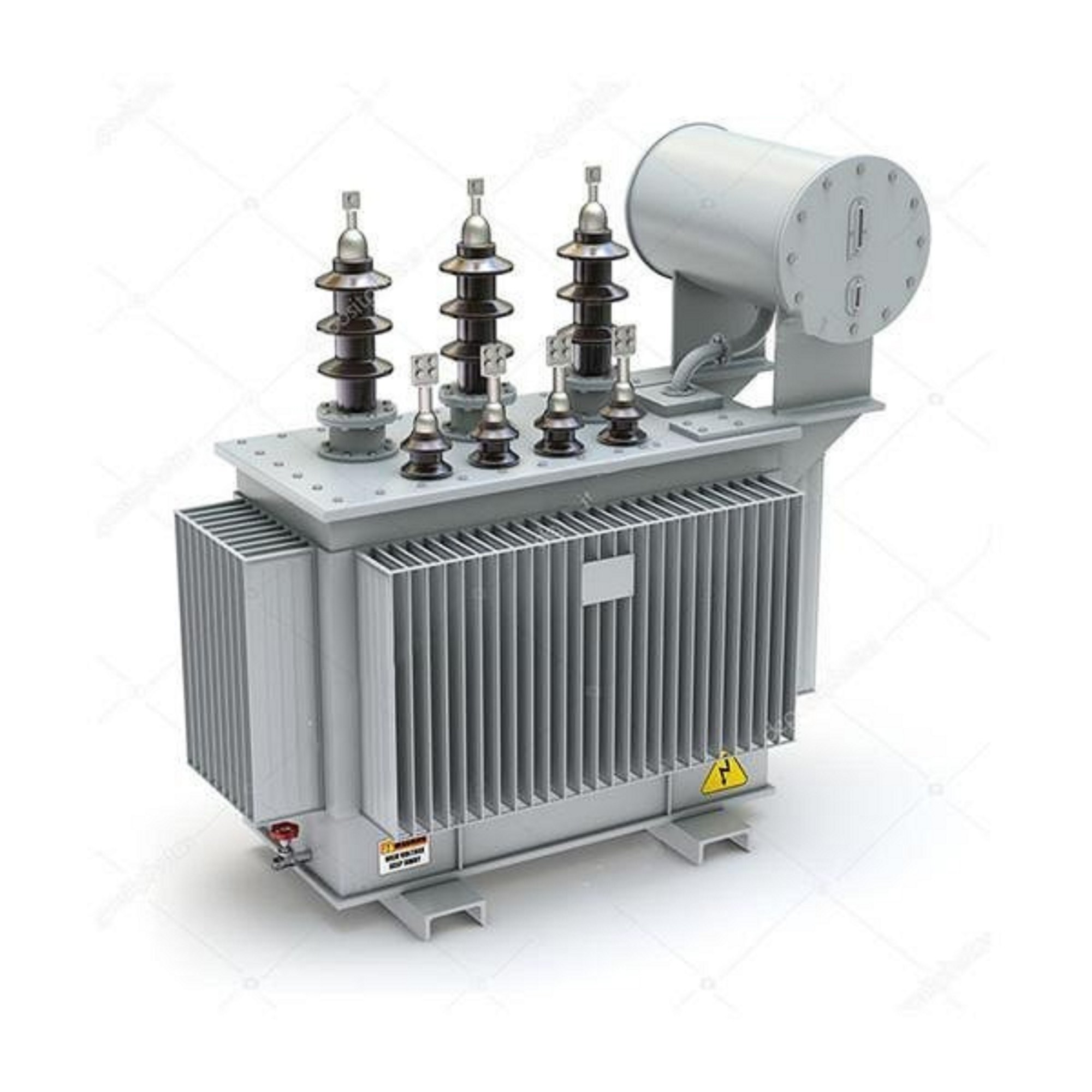
India's power infrastructure has grown at a remarkable pace over the last two decades, and at the heart of this transformation lies one indispensable piece of equipment: the transformer. From massive substations feeding entire cities to compact units powering rural grids, transformers are the silent backbone of the country's electrical distribution network. As demand for reliable power continues to climb, Transformer Manufacturing India has evolved into a sophisticated, technology-driven industry, with companies like Trafo Power playing a key role in shaping its future.
Understanding the Role of Transformers
A transformer's core function is simple in concept but critical in practice: it adjusts voltage levels so electricity can travel efficiently from generation stations to homes, factories, and businesses. Without transformers stepping voltage up or down at various points in the grid, long-distance power transmission would be impractical and enormously wasteful. This makes the quality and reliability of transformer equipment directly tied to the stability of the entire power supply chain.
Types of Transformers Used Across Industries
Transformer applications vary widely depending on voltage requirements, installation environment, and end use. Some of the most common types manufactured in India include:
Power Transformers
Used primarily in transmission networks, power transformers handle high voltage loads and are essential for moving electricity across long distances with minimal energy loss. Reputable Power Transformer Manufacturers design these units to operate efficiently under continuous heavy loads, often for decades at a stretch.
Distribution Transformers
These smaller units step down voltage for final delivery to homes, offices, and small industries. Distribution transformers are typically installed closer to end users and are built for compact footprints and consistent performance.
Dry-Type Transformers
Increasingly popular in urban and indoor settings, dry-type transformers eliminate the need for oil cooling, making them safer for use in hospitals, commercial buildings, and other spaces where fire risk must be minimized.
Special Application Transformers
Industries such as railways, renewable energy, and heavy manufacturing often require customized transformer solutions designed for unique load patterns, environmental conditions, or regulatory requirements.
Applications Driving Demand
The applications for transformers in India extend far beyond traditional utility use. Renewable energy projects, particularly solar and wind installations, rely heavily on specialized transformers to integrate power into the national grid. Similarly, rapid urbanization has increased the need for distribution transformers in new residential and commercial developments, while industrial expansion continues to drive demand for high-capacity power transformers across manufacturing hubs.
Infrastructure initiatives, including metro rail projects and smart city developments, have further diversified the market, requiring manufacturers to offer more customized and technically advanced solutions than ever before.
Industry Trends Shaping the Future
Several trends are currently redefining how transformers are designed, manufactured, and deployed across India:
Energy Efficiency Standards
Regulatory bodies have introduced stricter efficiency norms, pushing manufacturers to adopt improved core materials and winding techniques that reduce energy losses.
Smart Grid Integration
As India moves toward smarter, more responsive power networks, transformers are increasingly equipped with monitoring sensors and diagnostic capabilities that allow real-time performance tracking.
Sustainability and Eco-Friendly Materials
There is growing emphasis on environmentally responsible manufacturing, including biodegradable insulating fluids and recyclable components, reflecting broader sustainability goals within the power sector.
Localized Manufacturing Growth
Government initiatives promoting domestic production have encouraged companies to strengthen local manufacturing capabilities, reducing dependency on imports while improving delivery timelines for large-scale projects.
Choosing the Right Manufacturing Partner
For utilities, industrial clients, and infrastructure developers, selecting from among established Power Transformer Manufacturers requires careful evaluation of engineering expertise, quality certifications, production capacity, and after-sales support. Reliable manufacturing partners not only deliver equipment that meets technical specifications but also provide long-term service support essential for uninterrupted power operations.
Conclusion
As India's energy needs continue to expand, the transformer manufacturing sector will remain central to the country's infrastructure growth story. Companies like Trafo Power, committed to quality engineering and evolving industry standards, are well positioned to support this next phase of India's power sector development — delivering equipment built for efficiency, durability, and long-term reliability.