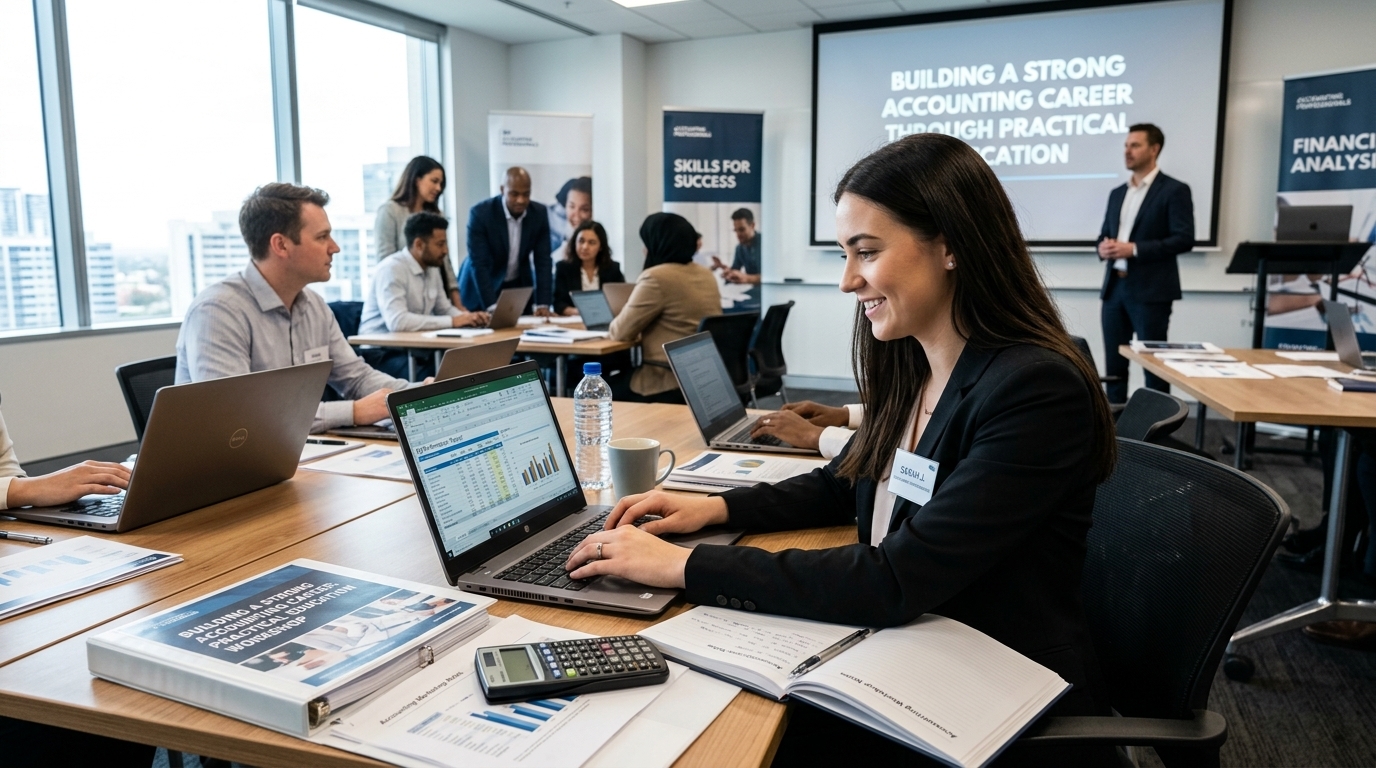
The accounting profession continues to offer rewarding opportunities for people who develop the right combination of technical knowledge, practical skills, and professional confidence. Whether you are starting your first finance role or looking to strengthen your existing career, choosing the right training can make a significant difference. Practical education helps learners understand not only accounting theory but also how financial information is recorded, organised, and interpreted in real business environments.
For aspiring bookkeepers and accounting professionals, structured training can provide a clear pathway into the industry. Centre of Accountancy Careers & Training (CAC Training) is a UK-based institute focused on practical accounting and finance education. With experienced tutors and flexible learning options, CAC Training helps students build relevant skills and work towards qualifications that support long-term career development.
Why Practical Accounting Education Matters
Accounting is an essential part of every successful organisation. Businesses rely on accurate financial records to monitor performance, manage cash flow, prepare reports, meet compliance requirements, and make informed decisions. As a result, professionals who understand accounting processes can contribute value across a wide range of industries.
However, learning accounting is about more than memorising concepts. Students need opportunities to understand how accounting principles apply to everyday business situations. Practical exercises, structured lessons, and tutor guidance can make complicated subjects easier to understand and help learners develop confidence.
This is particularly important for people entering bookkeeping or finance for the first time. A strong educational foundation can help learners progress from basic accounting tasks towards more advanced responsibilities as their experience grows.
Developing Bookkeeping Skills
Bookkeeping is one of the fundamental areas of accounting. It involves maintaining accurate financial records, recording transactions, reconciling accounts, and supporting the preparation of financial information. These responsibilities require attention to detail, organisation, and a sound understanding of accounting principles.
An AAT Level 2 Bookkeeping Course can be a useful starting point for individuals who want to develop foundational bookkeeping knowledge. By studying core concepts in a structured environment, learners can build an understanding of the processes used to maintain reliable financial records.
For newcomers, an AAT Level 2 Bookkeeping Course may also provide a clearer understanding of how individual transactions fit into the wider accounting cycle. Learning through guided instruction can make it easier to connect theoretical concepts with practical accounting activities.
Creating a Pathway Towards Further Study
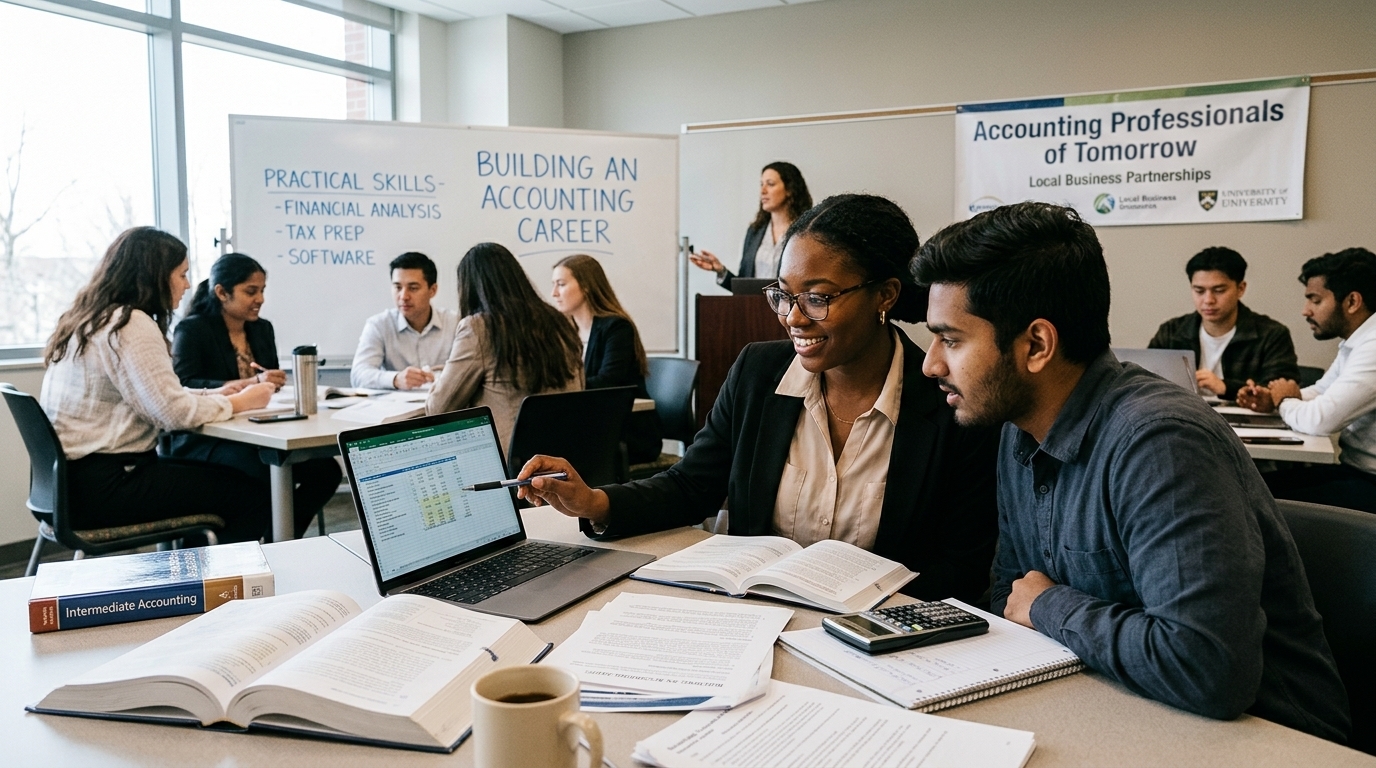
Accounting education does not have to end with an introductory qualification. Many learners use foundational training as the first step towards more advanced studies and professional roles. Once students understand basic bookkeeping and accounting principles, they can explore further qualifications based on their career goals.
A financial accounting program can help learners develop broader knowledge of financial reporting, accounting procedures, and the interpretation of financial information. This type of education can be valuable for individuals who want to move beyond routine bookkeeping and gain a deeper understanding of how accounting supports business decisions.
Choosing a financial accounting program that combines structured learning with practical application can also help students develop skills that are relevant to modern workplaces. Understanding financial statements, accounting processes, and reporting requirements can improve both technical ability and professional confidence.
Flexible Learning for Different Career Goals
One of the challenges faced by adult learners is balancing education with work and personal commitments. Flexible study options can therefore make professional development more accessible. Students may have different learning preferences, schedules, and career objectives, so having suitable options can help them maintain consistent progress.
CAC Training supports learners through experienced tutors and flexible learning options designed around career-focused education. Its courses cover areas such as ACCA, bookkeeping, and other accounting and finance subjects, allowing students to choose training that aligns with their ambitions.
For someone beginning with an AAT Level 2 Bookkeeping Course, the experience can provide a foundation for continued development. As knowledge and experience increase, learners may consider additional qualifications and specialised areas of accounting.
Skills That Employers Value
Employers in accounting and finance generally look for more than qualifications alone. Accuracy, analytical thinking, communication, organisation, and problem-solving are all valuable workplace skills. Training that encourages learners to apply accounting concepts to realistic situations can help develop these abilities alongside technical knowledge.
A practical financial accounting program can support this development by introducing learners to the processes and concepts used to understand financial information. When students learn why accounting procedures matter, rather than simply how to complete them, they can become better prepared to handle responsibilities in professional settings.
Continuing education can also demonstrate a commitment to professional development. As accounting standards, technology, and business practices evolve, professionals who continue improving their knowledge can remain better prepared for changes within the industry.
Choosing the Right Training Provider
When selecting accounting education, prospective students should consider several factors. Course content, tutor experience, learning flexibility, qualification pathways, and practical relevance can all influence the overall learning experience.
It is also useful to consider how a course fits into a longer-term career plan. Someone interested in bookkeeping may benefit from starting with foundational training, while another learner may want to work towards more advanced accounting qualifications from the beginning.
CAC Training focuses on career-oriented accounting and finance education, helping students develop practical knowledge that can support their professional ambitions. With flexible options and experienced tutors, the institute provides learning opportunities for individuals at different stages of their accounting journey.
The Importance of Continuous Professional Development
Accounting is a field where learning does not necessarily stop after completing one qualification. Professionals may encounter new technologies, updated regulations, changing reporting practices, and evolving expectations from employers. Continuing education can therefore play an important role in maintaining relevant knowledge and improving career prospects.
Developing new skills can also help accounting professionals take on greater responsibility over time. Someone who begins by learning basic bookkeeping may eventually progress into areas such as accounts preparation, payroll, financial reporting, management accounting, or other specialised functions. A strong foundation makes it easier to understand more advanced topics and adapt to new responsibilities.
Investing in Your Future
Building an accounting career is a process rather than a single step. Starting with strong fundamentals can make it easier to progress into more advanced areas of finance and accounting. Whether the goal is to become a bookkeeper, progress within an accounts department, or pursue professional accounting qualifications, appropriate training can provide valuable direction.
An AAT Level 2 Bookkeeping Course can help beginners establish essential bookkeeping knowledge, while further study can broaden their understanding of accounting and finance. For learners aiming to develop deeper expertise, a financial accounting program can provide an opportunity to explore financial reporting and related concepts in greater detail.
With the right education, practical experience, and commitment to continuous learning, aspiring accounting professionals can build skills that remain valuable throughout their careers. CAC Training offers a practical starting point for learners looking to turn their interest in accounting into meaningful professional progress.